News
UL Certified BESS: A Comprehensive Guide for UL 1973, UL 9540, and UL 9540A
- December 31, 2025
In the BESS market, UL Certified BESS is widely treated as the gold-standard reference for electrical and fire safety, especially for North American deployments. In this article, we define UL Certified BESS as a clear, verifiable compliance scope—covering battery safety certification, system-level certification, and thermal-runaway fire test evidence—so EPCs, owners, and authorities can align on what “UL Certified” means in practical project documentation.
Accordingly, a UL Certified BESS should be supported by the following deliverables (as applicable to the product boundary and project jurisdiction):
UL 1973: Product safety certification for the battery system used in stationary energy storage applications.
UL 9540: Product and system safety certification for the complete energy storage system (ESS) as an integrated assembly.
UL 9540A: A standardized test method that generates thermal-runaway fire and deflagration hazard data across multiple levels (cell → module → unit → installation), supporting code compliance, hazard mitigation analysis, and AHJ review.
The key to defining a UL Certified BESS is mapping each certification to the specific safety question it answers:
“Is the battery subsystem safe as a product?” → UL 1973
“Is the system safe as an integrated ESS product?” → UL 9540
“How does the system behave during thermal runaway, and what hazards does it present?” → UL 9540A
Quick comparison table: what each document is, and what it covers
UL 1973: battery subsystem safety (what it means in procurement language)
UL 1973 addresses the battery system used in stationary applications—think of it as the “battery product safety baseline” for many stationary BESS deployments. The UL scope explicitly targets battery systems for stationary energy storage (PV, wind, UPS and related stationary applications).
In practice, UL 1973 is commonly used to:
- Establish minimum safety expectations for battery enclosures/cabinets/pack assemblies
- Provide confidence to stakeholders that the battery subsystem is evaluated against recognized hazards
UL 9540: system-level safety (the “complete ESS” lens)
UL 9540 is generally understood and marketed as the system-level safety standard for energy storage systems and equipment.
This is where “integration safety” becomes the focal point: the ESS is evaluated not only by the merits of individual components, but by how safely the assembled system behaves.
A useful way to explain it:
- UL 1973 can be the “battery subsystem is safe.”
- UL 9540 is “the ESS, as built and integrated, is safe.”
(Exact certification scope depends on product boundary definitions used in the evaluation.)
UL 9540A: thermal runaway propagation and gas/fire behavior (why AHJs care)
UL 9540A is a test method widely used to support fire safety and building code requirements for BESS.
It is commonly described as a multi-level progression (cell → module → unit → installation) that generates hazard data to inform mitigation strategies and installation decisions.
What UL 9540A tends to influence most directly:
- Whether thermal runaway propagation is likely to escalate
- The gas profile(volume/composition/flammability) and external flaming behaviors that drive explosion and fire protection choices
- Practical outcomes: ventilation concept, detection coverage, interlocked suppression actions, spacing and separation, emergency response interfaces
What “UL Certified BESS” Should Mean (Specification Interpretation)
In this guide, “UL Certified BESS” is defined as a UL-anchored safety compliance package that is widely recognized in the industry and especially relevant for North American projects where permitting, AHJ acceptance, and insurer review routinely rely on UL evidence. Under this definition, “UL Certified BESS” is established through verifiable certificates/listings and supporting test documentation, clearly separating product safety listing from thermal-runaway fire test evidence and installation hazard controls.
At a minimum, a “UL Certified BESS” should include:
- UL 1973 (Battery Subsystem Safety): The battery subsystem (cell/module/rack/cabinet, as applicable) shall be evaluated and certified/listed to UL 1973within the declared product boundary.
- UL 9540 (ESS System Safety): The complete ESS—including the battery system, power conversion equipment, controls, and associated interconnects within the certification scope—shall be evaluated and certified/listed to UL 9540as an integrated system.
- UL 9540A (Thermal Runaway / Fire Propagation Test Evidence): The ESS configuration shall be supported by UL 9540Atest reports at the relevant level(s) (cell/module/unit/installation as required), providing AHJ-ready evidence to substantiate fire and deflagration hazard characterization and to justify mitigation measures such as ventilation, detection, fire suppression, and separation distances.
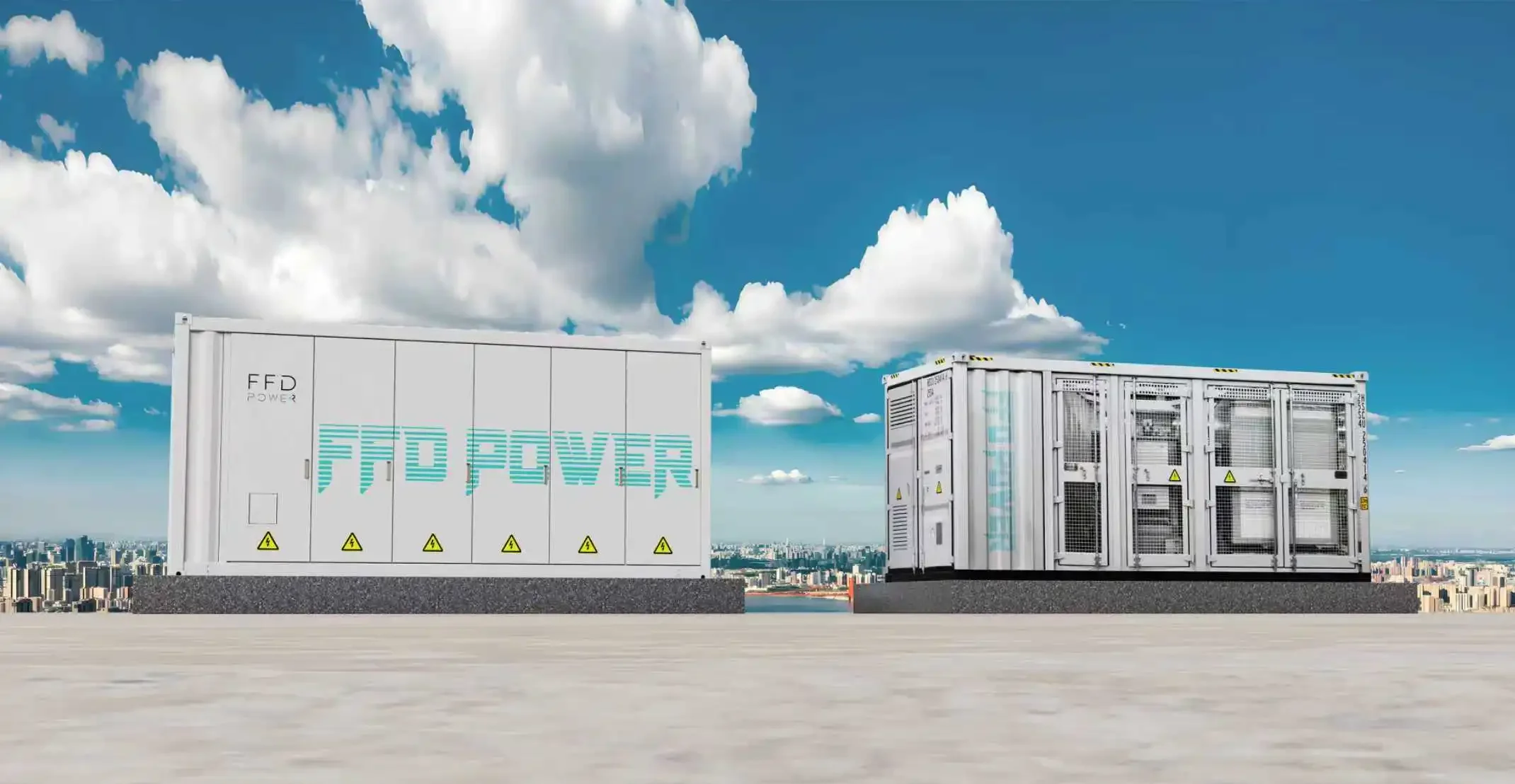
FFD POWER Container BESS: Three-Tier Progressive Fire Protection Concept (UL-Certified Platform)
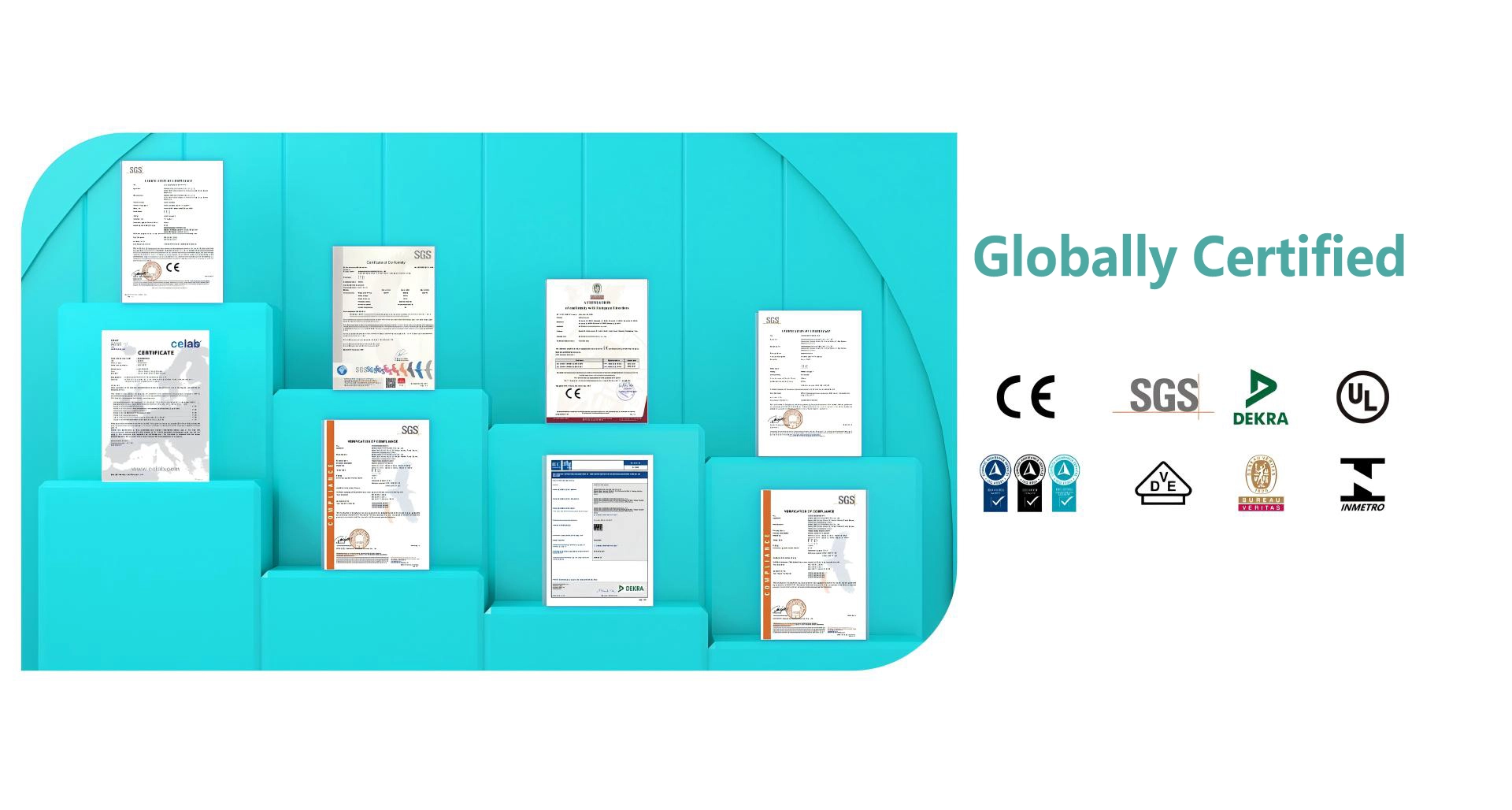
FFD POWER’s UL certified container BESS integrates a three-tier, progressive fire safety architecture—engineered to strengthen fire prevention, accelerate early detection, enable coordinated fire suppression, and, if escalation occurs, reduce the probability of impact beyond the container boundary. In addition to the protection concept itself, FFD POWER’s container BESS has completed the full compliance package referenced in this guide, including UL 1973, UL 9540, UL 9540A, and an NFPA 69–aligned explosion prevention strategy—providing a defensible safety basis for EPCs, owners, and AHJs.
Compliance package (project deliverables):
- UL 1973: battery subsystem safety certification
- UL 9540: ESS system-level certification
- UL 9540A: thermal runaway / fire propagation hazard test evidence (as required by project scope)
- NFPA 69 alignment: explosion prevention design basis for flammable gas risk management (ventilation/detection/interlocks)
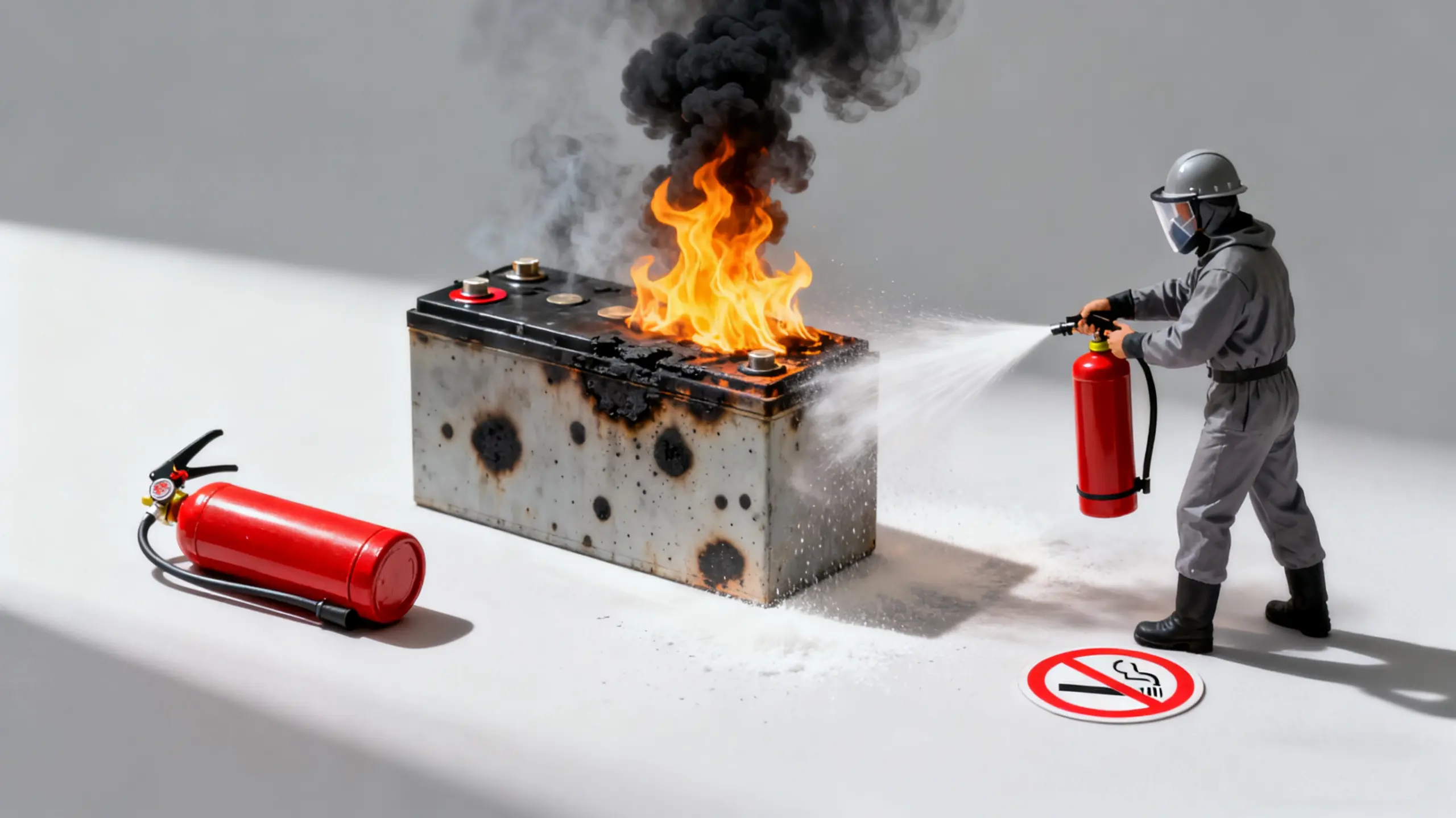
Tier 1 – Pack-Level Immersion Suppression (Early Thermal Runaway Intervention)
Fire prevention objective: stop the “first domino” before propagation.
- BMS continuously monitors cell temperatures (4 °C granularity, 9 s sampling interval).
- If two or more sensors in the same packdetect ≥ 80 °C, the immersion suppression triggers to intervene at the earliest stage.
Why it matters for fire prevention: Early intervention is designed to reduce cell-to-cell escalation pathways and lower the likelihood of propagation developing into container-level fire suppression events.
Tier 2 – Container-Level Automatic Suppression (Interlocked Hazard Control)
Fire suppression objective: treat the container as a managed hazard zone with interlocked controls.
Interlocked auto/manual activation of:
- Aerosol fire suppression
- Ventilation/exhaust control
- Multi-type detection: heat, smoke, and lithium-ion gas
Why it matters for BESS fire safety compliance: Coordinating detection → ventilation → suppression as one logic chain supports a coherent strategy for both fire suppression and flammable gas risk management, rather than relying on standalone subsystems.
Tier 3 – Water Spray Coverage (Exposure Control and Spread Prevention)
Fire suppression objective: if Tier 2 is ineffective, provide a responder-aligned interface to reduce external exposure.
- EN-certified firefighting interface enables full-coverage deluge:
- 12 spray heads
- Total flow: 972 L/min
- Objective: limit external fire exposure, reduce spread likelihood, and support incident control beyond the container.