Turning Solar Surplus into On-Site Value — in Israel
Project Overview
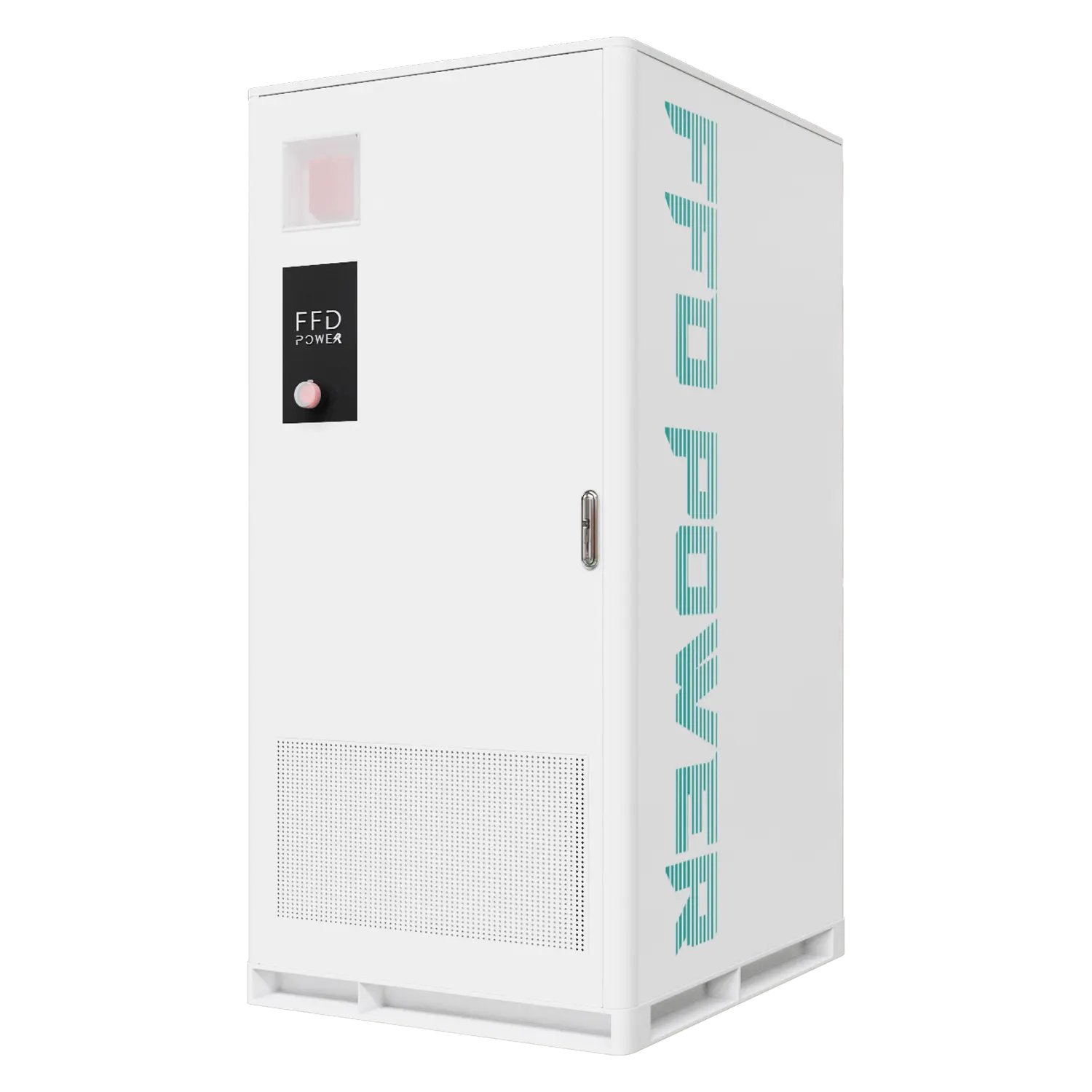
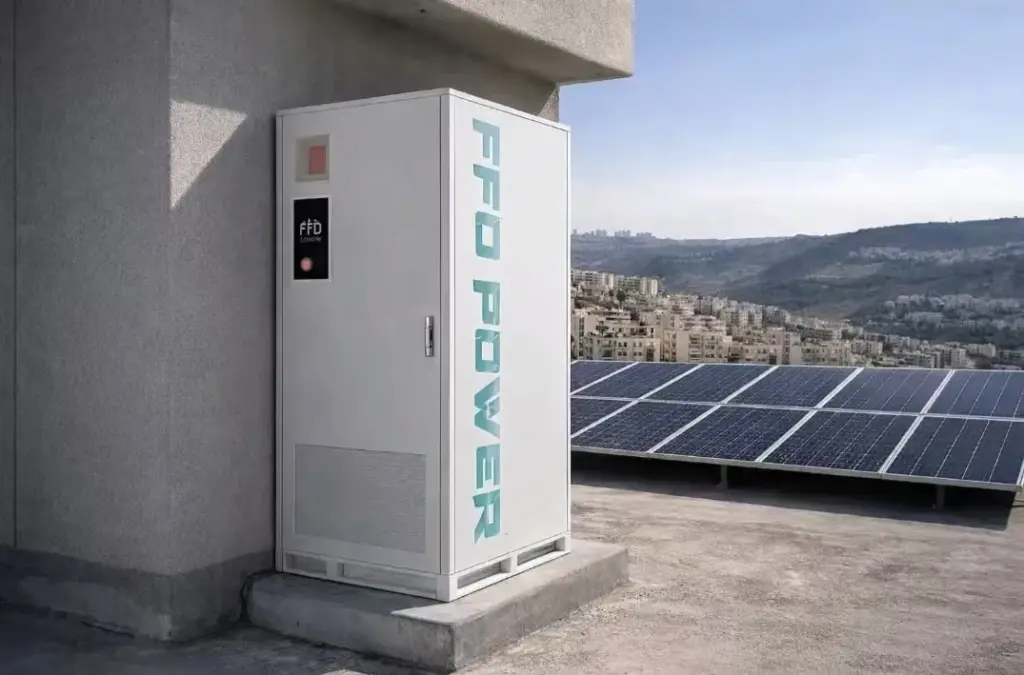
BESS for PV Self-Consumption in Israel demonstrates how a 125kW/261kWh cabinet battery energy storage system can boost the economic return of an existing rooftop PV system. Instead of exporting surplus PV at reduced value, the BESS stores midday generation and discharges later to cover evening loads and short demand peaks. The EMS prioritizes PV charging, maintains a SOC target window for daily cycling, and can apply an import cap to reduce peak purchases—improving PV self-use and lowering electricity costs.
Project Background
Many commercial and residential sites in Israel have already installed rooftop PV, but self-consumption is often limited by the natural mismatch between solar generation and load. PV output peaks at midday, while electricity demand frequently rises in the late afternoon and evening. As a result, part of the solar energy is exported, and the site still buys grid electricity during higher-cost periods. A behind-the-meter BESS addresses this mismatch by time-shifting solar energy and smoothing short peaks, enabling higher on-site utilization and better bill savings.
Project Challenge
- PV-to-Load Mismatch: Capture and store midday surplus PV and shift it to evening consumption.
- Peak Demand Exposure: Reduce short-duration import peaks that increase costs and stress the point of connection.
- Battery-Safe Daily Cycling: Optimize charge/discharge scheduling within SOC/temperature limits and ensure daily readiness.
FFD POWER Solution
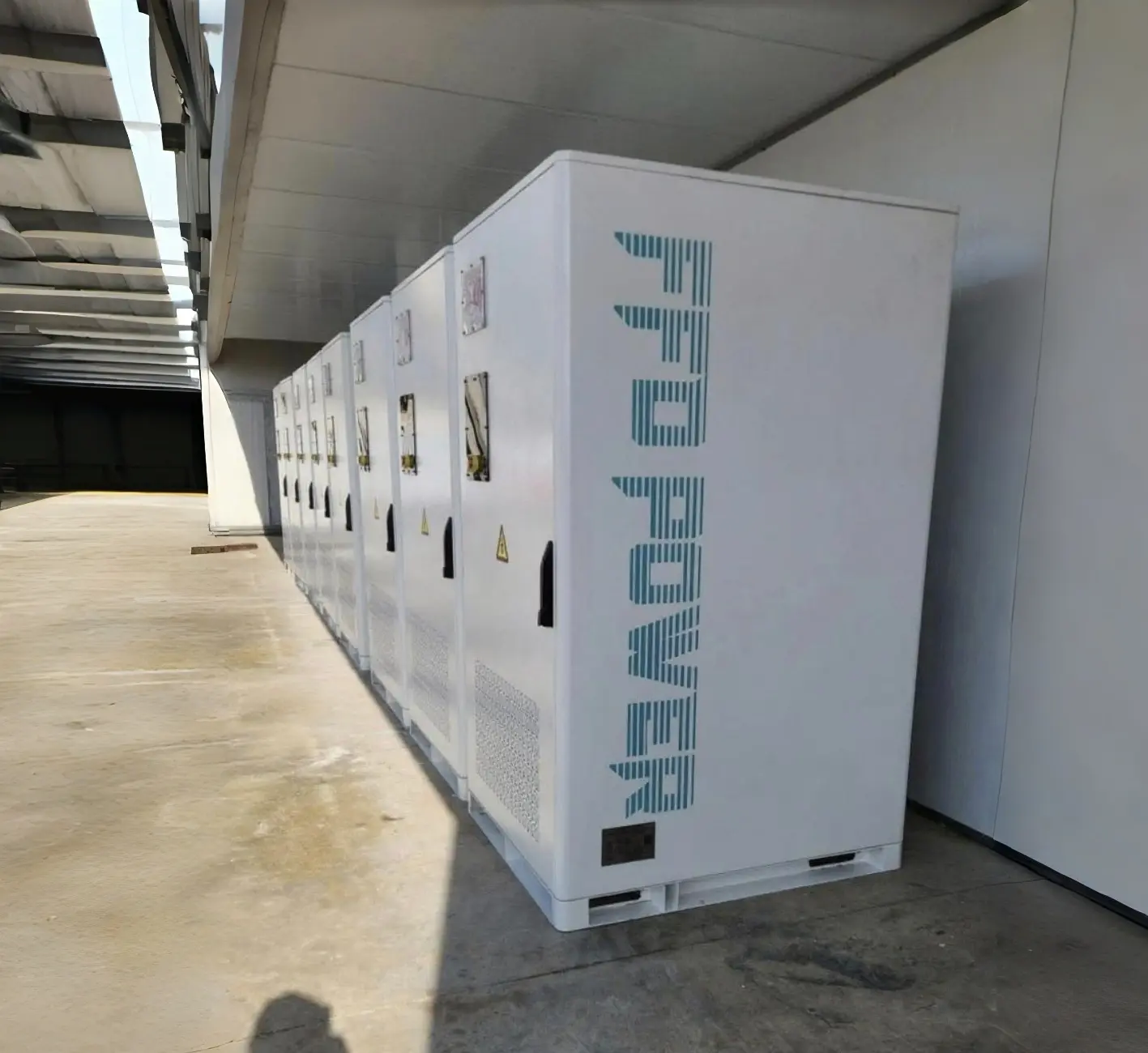
FFD POWER deployed a 125kW/261kWh all-in-one cabinet BESS integrated with an EMS tailored for PV self-consumption. The EMS monitors PV output, site load, and grid import/export to identify PV surplus and charge the battery accordingly. During low-PV periods, the system discharges to supply site loads and reduce grid purchases. Optional import limiting can be enabled to shave short demand spikes, while SOC target windows and protection constraints preserve battery life.
System Specifications
- BESS POWER : 125 KW
- BESS capacity : 261 KWH
- Product used : Galaxy 261L Cabinet-type all-in-one BESS
- Application : PV self-consumption + peak shaving (behind-the-meter)
- Architecture: EMS with PV-priority charging + SOC target window + optional import cap
Operational Logic: Power Buffering for Fast Charging
The EMS logic maximizes PV self-use while protecting battery health:
- PV-Priority Charging: charges from PV surplus when export is detected, limited by power and SOC constraints to maximize solar capture.
- Time-Shift Discharge: discharges during evening/low-PV hours to supply loads and reduce high-tariff grid purchases.
- Peak Shaving Overlay (Optional): applies a grid import cap; when load spikes occur, the BESS discharges to keep import below the limit.