News
Three Key Factors Driving the Explosion of the African Energy Storage Market
- October 30, 2025
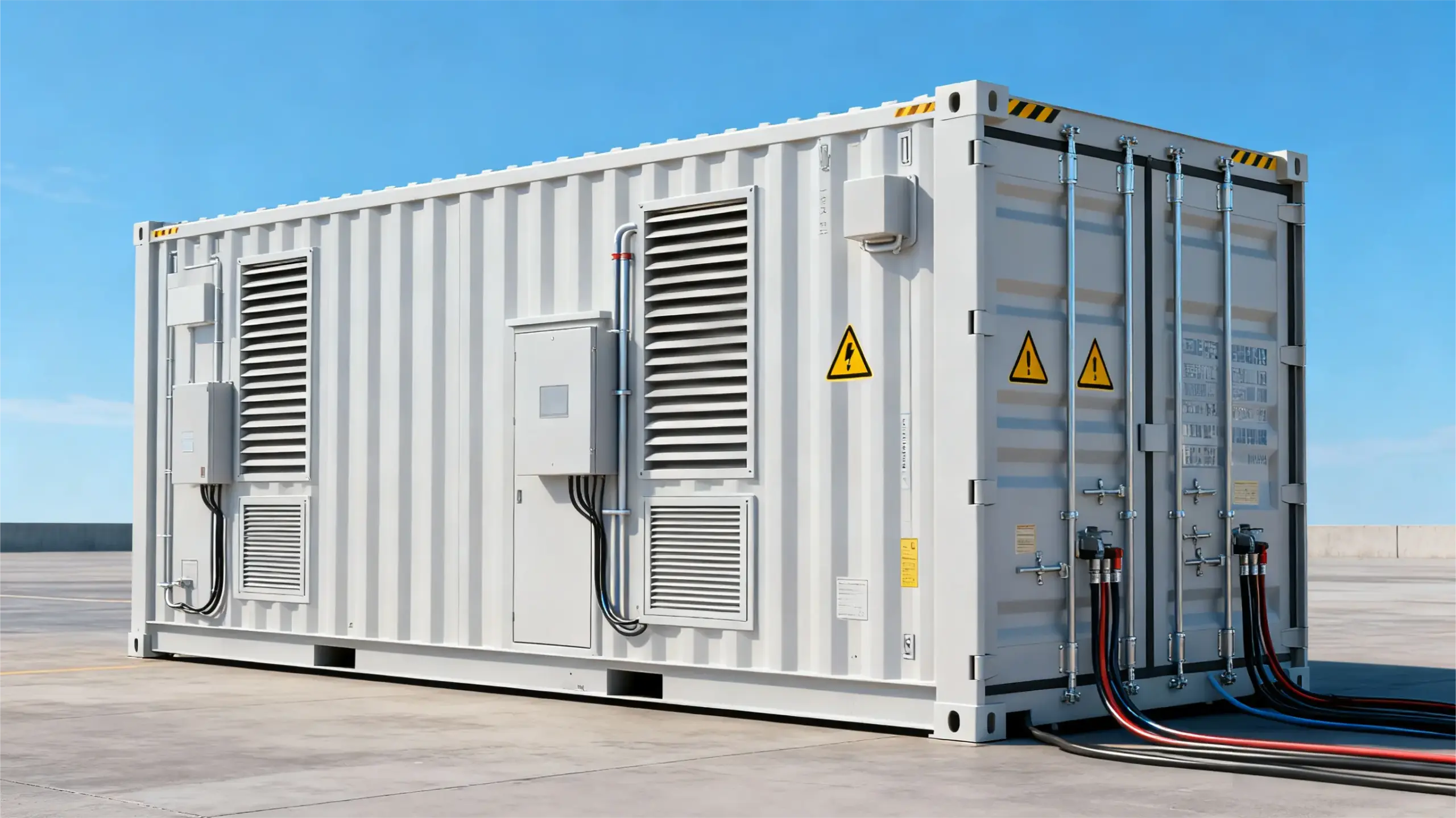
The African energy landscape is undergoing a profound transformation. Across the continent, countries are embracing renewable energy to overcome power shortages, reduce dependence on fossil fuels, and drive sustainable development. However, as solar and wind capacity rapidly expand, the challenge of intermittency—how to store and stabilize this clean energy—has come sharply into focus.
This is where energy storage systems (ESS) are becoming a game-changer. From urban microgrids in Nigeria to off-grid solar villages in Kenya, battery energy storage is emerging as the foundation of Africa’s next-generation energy infrastructure.
In this article, we explore the three key factors fueling the rapid growth of Africa’s energy storage market, and how companies like FFD POWER are helping accelerate this revolution.
Rapid Renewable Energy Deployment
Over the last decade, Africa has witnessed a surge in solar and wind installations. According to the International Renewable Energy Agency (IRENA), the continent’s installed solar capacity grew by more than 25% annually between 2018 and 2023.
Countries such as South Africa, Egypt, Morocco, Kenya, and Nigeria are leading this shift, launching massive renewable projects to meet growing electricity demand.
However, renewable generation alone cannot guarantee reliable power. Solar and wind are inherently intermittent—day-night cycles, weather fluctuations, and seasonal changes cause significant power variability.
This has made energy storage indispensable:
Grid-connected ESS smooth out renewable output, preventing grid instability.
Hybrid solar + storage systems ensure 24/7 clean power supply.
Off-grid storage enables rural electrification, powering communities far from transmission networks.
In short, as renewable energy booms, storage capacity must grow alongside it—and Africa is quickly realizing this essential link.
Growing Demand for Reliable Power
Across Africa, nearly 600 million people still lack access to reliable electricity, and even connected areas face frequent power cuts. Industrial zones, commercial buildings, and data centers increasingly require stable, uninterrupted energy to operate efficiently.
This rising demand is creating fertile ground for energy storage adoption.
Industrial and commercial users are deploying battery systems to achieve energy independence and reduce reliance on unstable grids.
Telecom operators use ESS to power remote towers, reducing diesel generator use and operating costs.
Microgrid solutions combine solar and battery storage to ensure resilient, local energy supply.
In nations like Nigeria, where power outages can last hours daily, companies are turning to battery-based energy systems as a cleaner, quieter, and more cost-effective alternative to diesel generators.
This strong market pull for energy reliability is accelerating investment and deployment of advanced battery storage solutions across the continent.
Supportive Policies and Falling Battery Costs
The third driver of Africa’s ESS boom is the combination of government support and technology cost reduction.
Many African nations are introducing favorable policies, subsidies, and regulatory frameworks to encourage clean energy investments. For example:
South Africa’s REIPPPP (Renewable Energy Independent Power Producer Procurement Programme) includes energy storage integration in new project rounds.
Kenya and Morocco are offering tax incentives for solar + storage systems.
The African Development Bank (AfDB) has launched multiple funding programs to accelerate distributed energy projects.
At the same time, battery prices have dropped more than 80% in the past decade due to advancements in lithium-ion technology, supply chain scaling, and improved manufacturing efficiency.
This convergence of policy support and cost reduction is making energy storage not only viable—but highly attractive—for investors and end-users alike.
The Role of Companies like FFD POWER
As the African market enters a high-growth phase, technological expertise and local adaptation become key success factors.
FFD POWER has been deeply involved in Africa’s energy transition—especially through its Nigerian branch, which actively develops commercial and industrial ESS projects tailored to local needs.
By combining AI-driven EMS platforms, high-performance LFP battery technology, and modular system design, FFD POWER delivers reliable and intelligent energy storage solutions optimized for Africa’s diverse environments—from hot deserts to coastal cities.
FFD POWER’s philosophy centers on safety, efficiency, and scalability, ensuring that every project not only meets energy needs today but supports Africa’s long-term sustainability goals.
Conclusion
Africa’s energy storage market is no longer an emerging trend—it’s a revolution in progress.
Driven by renewable expansion, demand for energy reliability, and favorable economics, the continent is poised to become one of the fastest-growing ESS markets globally.
As technology matures and partnerships deepen, energy storage will play a decisive role in powering Africa’s clean energy future—one system, one community, and one nation at a time.
FFD POWER is proud to be part of this transformation, empowering Africa with smarter, safer, and more sustainable energy solutions.