News
The Future and Challenges of All-Solid-State Energy Storage
- November 24, 2025
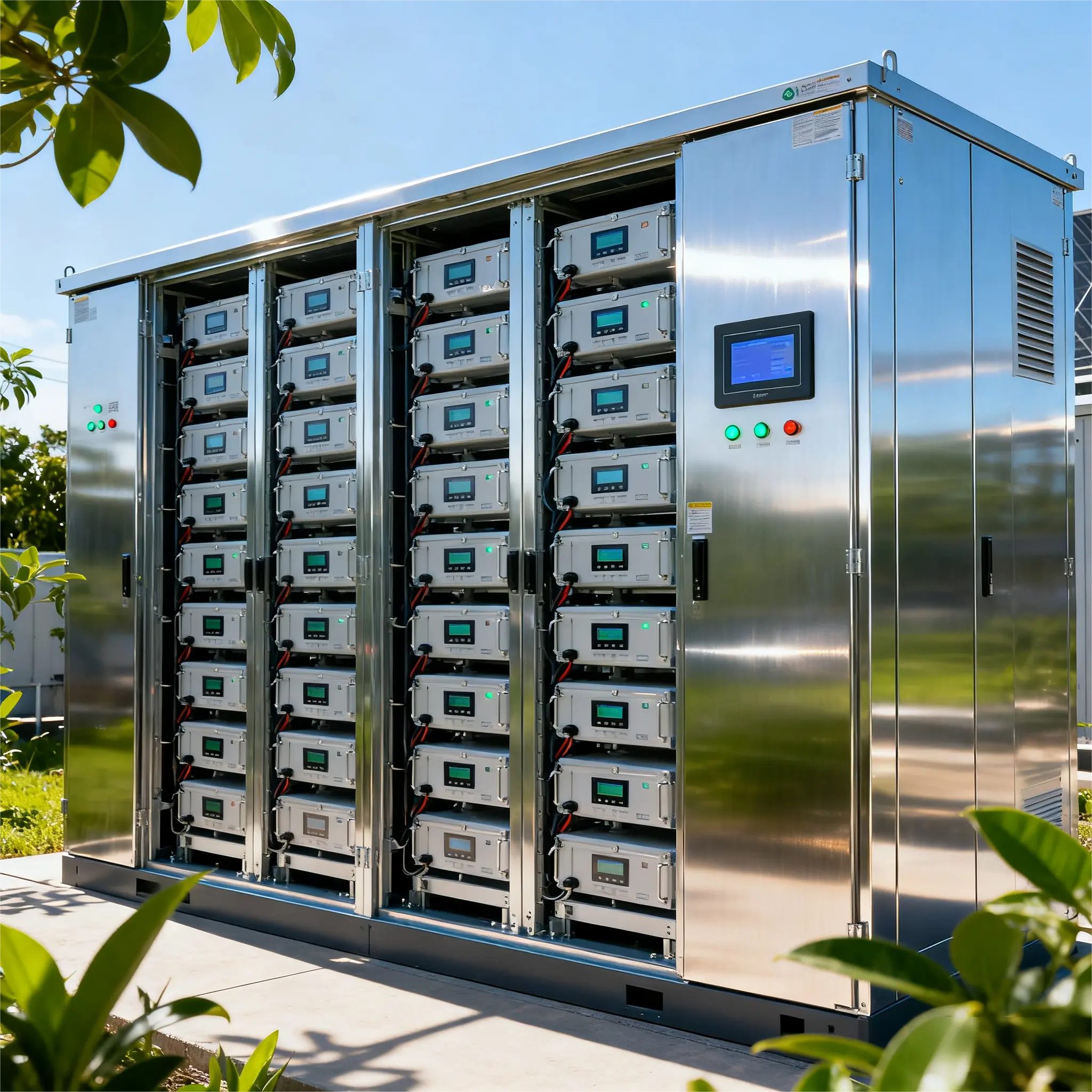
As the global demand for safe, efficient, and high-energy-density energy storage continues to grow, all-solid-state batteries (ASSBs) have emerged as one of the most promising next-generation technologies. By replacing the flammable liquid electrolyte with a solid electrolyte, ASSBs offer the potential for superior safety, higher energy density, longer cycle life, and broader operating temperature ranges.
However, despite significant R&D progress and massive investment from major battery manufacturers, fully commercialized all-solid-state energy storage systems are still several years away. This article explores the future potential, key technological advantages, and major challenges that must be overcome before ASSBs can become mainstream in grid-scale and industrial energy storage applications.
What Are All-Solid-State Batteries?
All-solid-state batteries replace the conventional liquid electrolyte with a solid ion-conducting material. This brings potential improvements in safety, stability, and performance.
Common solid electrolyte materials include:
Sulfur-based electrolytes
Oxide-based electrolytes
Polymer electrolytes
Composite/hybrid solid electrolytes
Each category has different strengths in terms of ionic conductivity, mechanical behavior, manufacturing difficulty, and cost.
Key Advantages of All-Solid-State Energy Storage
2.1 Exceptional Safety
The absence of a flammable liquid electrolyte greatly enhances safety. Solid electrolytes are non-flammable and far more resistant to thermal runaway and short-circuit events. For large battery energy storage systems (BESS), this can dramatically reduce fire risk and improve long-term reliability.
2.2 Higher Energy Density
ASSBs can safely use lithium-metal anodes, enabling energy densities up to twice that of conventional lithium-ion batteries. For energy storage projects, this means:
Smaller system footprint
Lower installation and construction costs
Higher energy per rack or container
This is particularly important for applications with space constraints.
2.3 Longer Cycle Life and Stability
Solid electrolytes reduce side reactions and suppress lithium dendrite growth, enabling better long-term durability. ASSBs could potentially achieve 8,000 to over 15,000 cycles, making them highly attractive for long-duration storage, peak shaving, and energy-arbitrage applications.
2.4 Wider Operating Temperature Range
All-solid-state systems can operate in both high-temperature and low-temperature environments with less dependency on complex thermal management systems. This increases system reliability and reduces auxiliary power consumption.
Challenges Facing All-Solid-State Energy Storage
Despite the tremendous potential, ASSBs still face major technical and commercial barriers.
3.1 Manufacturing Complexity and High Cost
ASSB manufacturing requires:
High-precision pressure-controlled assembly
Specialized solid electrolyte synthesis
New electrode integration techniques
Enhanced dry-room conditions
Today, production costs are estimated to be three to five times higher than conventional lithium-ion batteries. Achieving cost competitiveness will require large-scale industrialization and new manufacturing innovations.
3.2 Interface Resistance and Mechanical Instability
The solid electrolyte–electrode interface remains the single greatest technical bottleneck. Issues include:
Poor solid–solid contact
Micro-cracking under cycling stress
Delamination during expansion/contraction
Residual risk of lithium-metal penetration
These problems reduce ionic transport efficiency, causing faster degradation and lower power output.
3.3 Ionic Conductivity Limitations
Some solid electrolytes, especially polymers, require elevated temperatures to reach sufficient ionic conductivity. For grid storage applications, the ability to maintain high conductivity at ambient temperature is essential, yet still challenging for many electrolyte systems.
3.4 Scaling to Large Battery Energy Storage Systems
Large-format cells for MWh-scale applications require extremely stable interfaces, predictable mechanical behavior, and low cost. Unlike EVs, energy storage demands even:
Higher cycle counts
Lower cost targets
Larger cell geometries
More robust safety design
Scaling ASSBs to the multi-megawatt level remains a non-trivial challenge.
3.5 Supply Chain and Material Constraints
Materials such as LLZO, LPS, and other sulfide/oxide electrolytes are not yet produced at commercial scale. Issues include:
High material cost
Limited suppliers
Complex purification processes
Lack of standardized industrial production lines
A mature supply chain will take years to develop.
Development Roadmap: When Will ASSBs Become Mainstream?
2025–2027
Pilot-scale production continues, with early adoption in premium electric vehicles and prototypes. Still not ready for BESS applications.
2028–2032
Cost reductions begin gradually. Semi-solid and hybrid solid-state batteries become more common. Initial small-scale energy storage pilots may appear.
2032 and beyond
True all-solid-state batteries start scaling into commercial applications, including industrial and grid-level storage. Safety and durability improvements could make ASSBs a new standard for high-reliability BESS.
Potential Applications in Energy Storage
All-solid-state technology is well suited for applications requiring high safety, long cycling capability, or operation in extreme environments, including:
Data centers
Off-grid microgrids
Industrial peak-shaving and energy arbitrage
Dense urban energy storage
Renewable energy and hydrogen hybrid systems
These segments can fully benefit from improved safety, smaller footprint, and longer lifespan.
Conclusion
All-solid-state batteries represent one of the most promising next-generation energy storage technologies. Their advantages in safety, energy density, stability, and temperature performance could reshape the architecture of future energy storage systems, enabling safer, more compact, and more efficient deployments.
However, significant challenges remain, particularly in manufacturing, interface engineering, cost reduction, and supply chain development. The industry is advancing rapidly, but widespread large-scale adoption of all-solid-state energy storage will likely take another five to ten years.
ASSBs are not yet ready for mass deployment, but they are steadily approaching commercialization. As breakthroughs continue, all-solid-state energy storage is positioned to play a central role in the global clean energy transition.