
News
The Battery Isn’t Broken, the Management Is: 6 Major Causes of Battery Degradation
- October 20, 2025
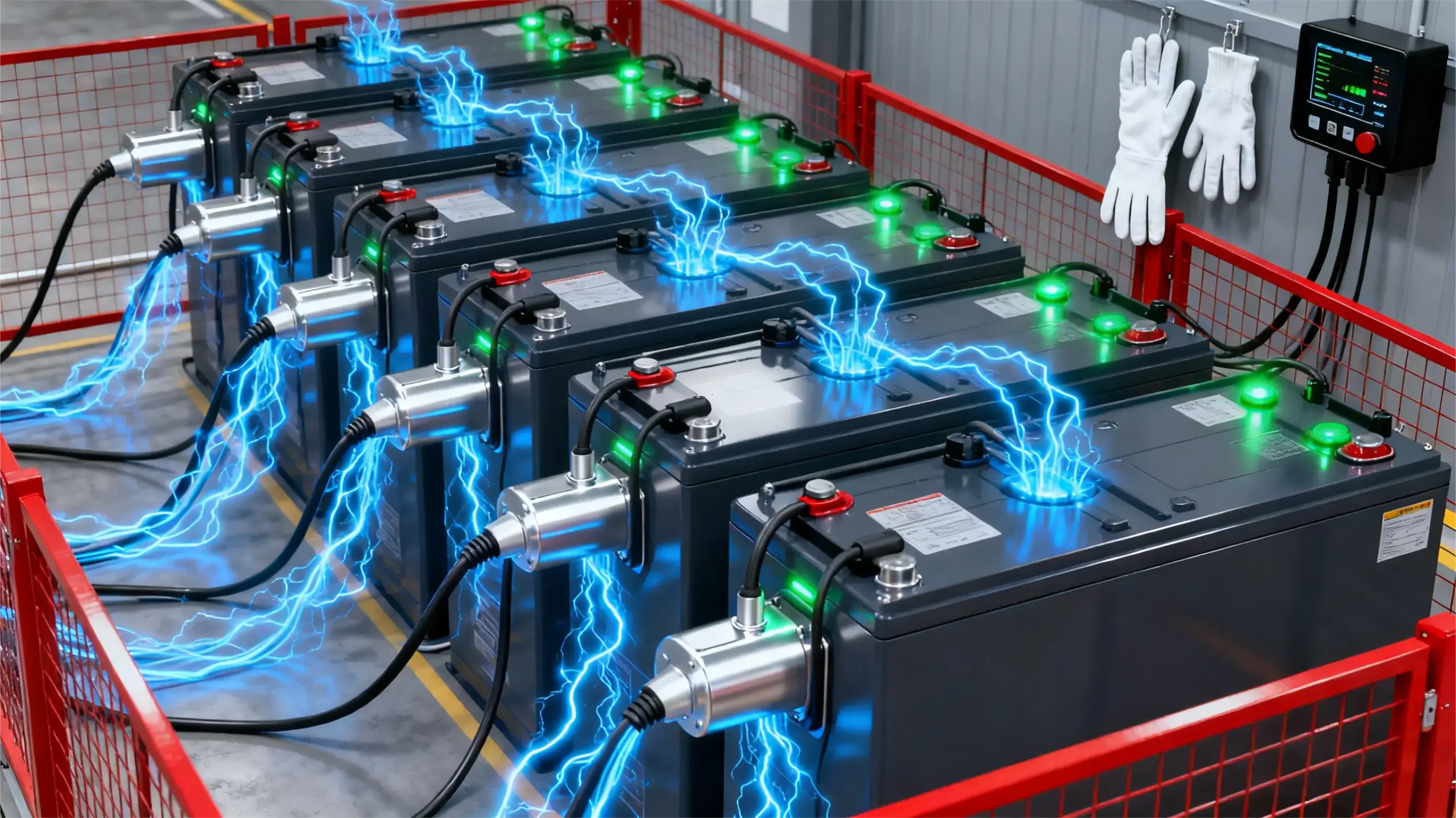
Lithium-ion batteries are often blamed when energy storage systems (ESS) lose capacity over time. However, the truth is that batteries rarely fail due to inherent defects—most degradation stems from poor battery management and operating conditions. Understanding the root causes of battery aging is critical for extending battery life, improving system performance, and maximizing return on investment.
In this article, we explore the six major culprits of battery degradation and explain how proper Battery Management System (BMS) design, operation, and maintenance can prevent them.
Overcharging and Overdischarging
One of the most common reasons batteries degrade faster than expected is overcharging (charging beyond the recommended voltage) or overdischarging (using more energy than safe limits).
Impact:
Accelerates chemical side reactions inside the battery
Reduces cycle life
Increases internal resistance, lowering efficiency
Prevention:
Use a high-quality BMS to monitor voltage
Set strict upper and lower voltage thresholds
Avoid prolonged exposure at extreme states of charge
Excessive C-Rate Charging or Discharging
C-rate defines how fast a battery is charged or discharged relative to its capacity. High C-rates stress the battery:
Impact:
Generates excessive heat, causing thermal stress
Accelerates lithium plating or electrode degradation
Shortens cycle life significantly
Prevention:
Implement intelligent charge/discharge control through EMS
Limit C-rate according to manufacturer specifications
Use cooling systems to manage temperature during high-rate operation
Extreme Operating Temperatures
Temperature is one of the most critical factors affecting battery health. Both high and low temperatures can accelerate degradation:
High temperature effects:
Increases electrolyte decomposition
Speeds up capacity loss
Low temperature effects:
Slows chemical reactions
Increases internal resistance, reducing usable capacity
Prevention:
Maintain battery within optimal temperature range (typically 20–40°C for LFP)
Use thermal management systems (TMS) for heating/cooling control
Avoid exposing batteries to direct sunlight or freezing environments
Deep Discharge and High Depth of Discharge (DoD)
Using a battery to its full depth repeatedly can accelerate wear:
Impact:
Increases stress on electrodes
Shortens cycle life
Reduces usable energy over time
Prevention:
Optimize Depth of Discharge (DoD) strategy
Combine with peak-shaving or time-of-use strategies
Let BMS manage usable capacity to protect battery longevity
Poor Battery Balancing
In multi-cell battery packs, inconsistencies between individual cells can lead to premature aging:
Impact:
Cells at different voltages charge/discharge unevenly
Some cells overcharge while others undercharge
Overall pack capacity and lifespan decrease
Prevention:
Use a BMS with active or passive cell balancing
Regularly monitor individual cell voltages and temperatures
Replace faulty cells promptly to avoid cascading failures
Inadequate Maintenance and Monitoring
Even high-quality batteries degrade faster if not properly maintained:
Impact:
Neglecting cleaning, inspection, and monitoring can hide early signs of wear
Can lead to irreversible damage or safety hazards
Prevention:
Regular battery health checks (SOH and RUL)
Use predictive maintenance tools powered by AI
Keep detailed logs of temperature, cycles, and energy throughput
Conclusion: Battery Life Depends on Smart Management
The battery itself is rarely the problem. Most degradation issues are caused by:
Overcharging or overdischarging
High C-rate operation
Extreme temperatures
Deep discharge or high DoD
Poor cell balancing
Inadequate maintenance and monitoring
FFD POWER emphasizes the importance of high-quality BMS, intelligent EMS control, and proper thermal management. By addressing these six culprits, ESS operators can maximize battery life, enhance safety, and optimize return on investment.
Remember: A battery is only as healthy as the system that manages it. Don’t blame the battery—optimize the management!