Stable Power for Corporate Operations — in Nigeria
Project Overview
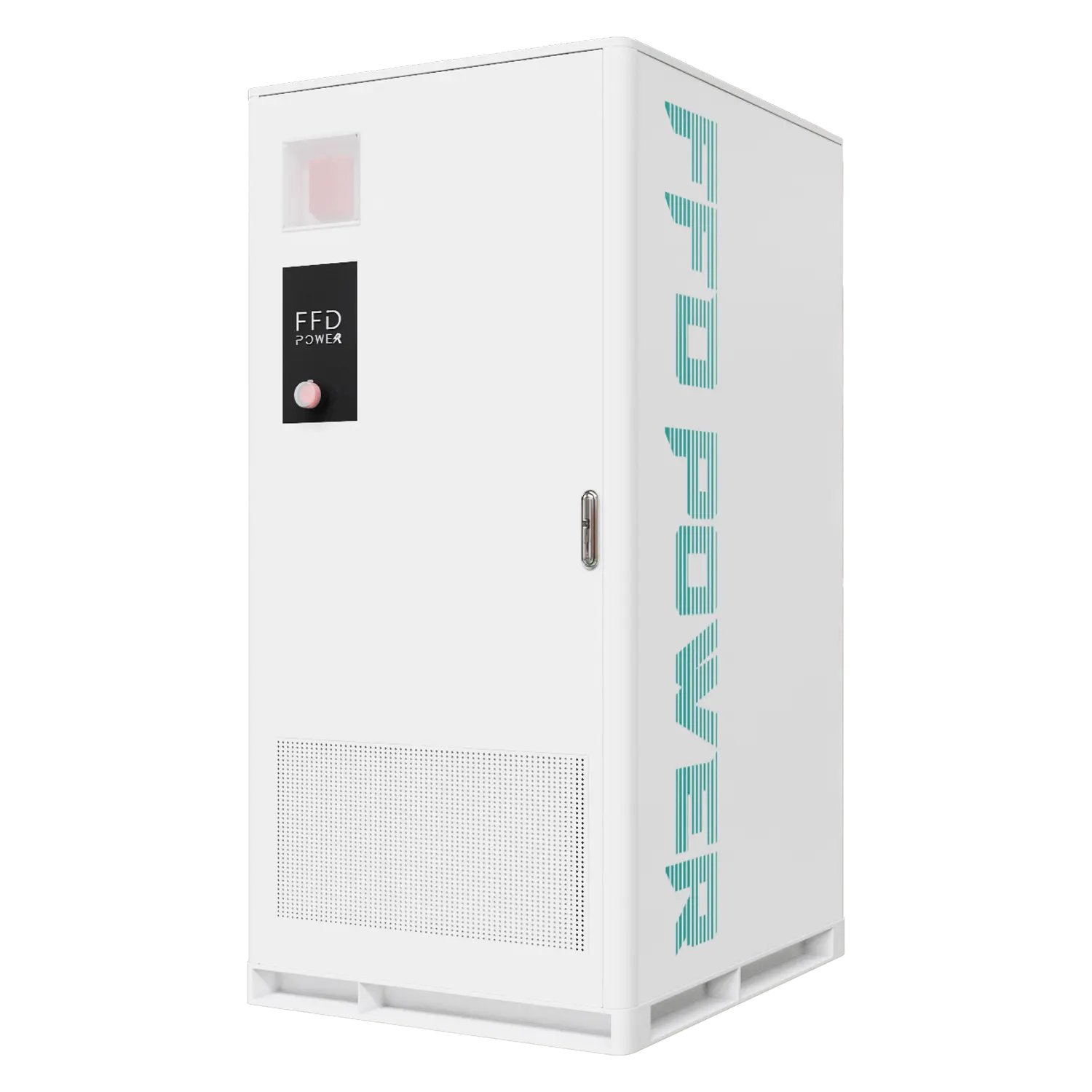
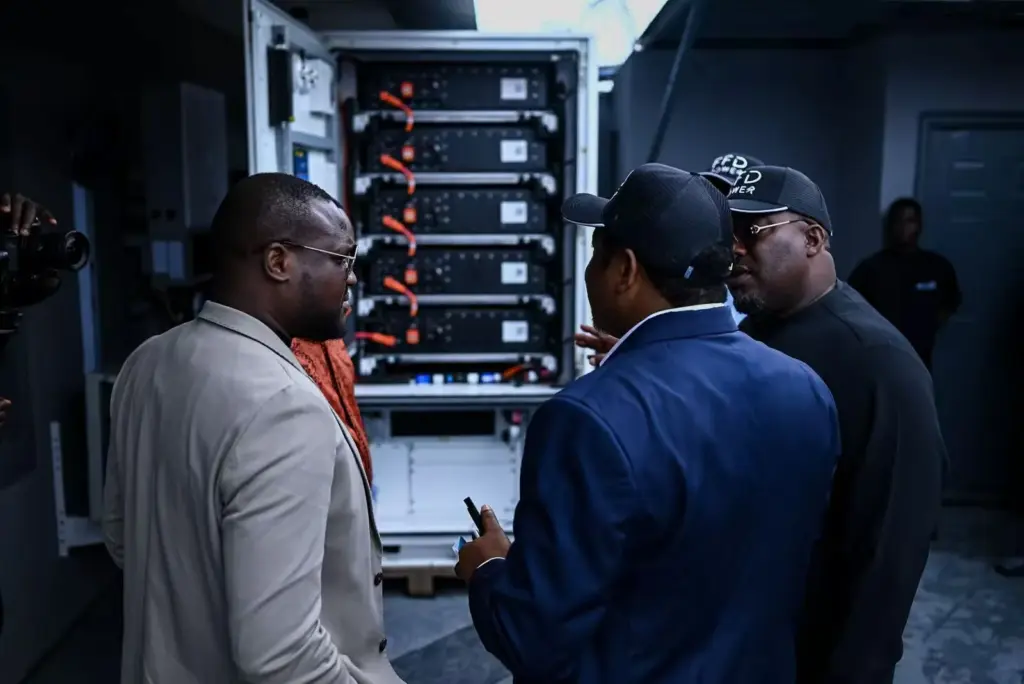
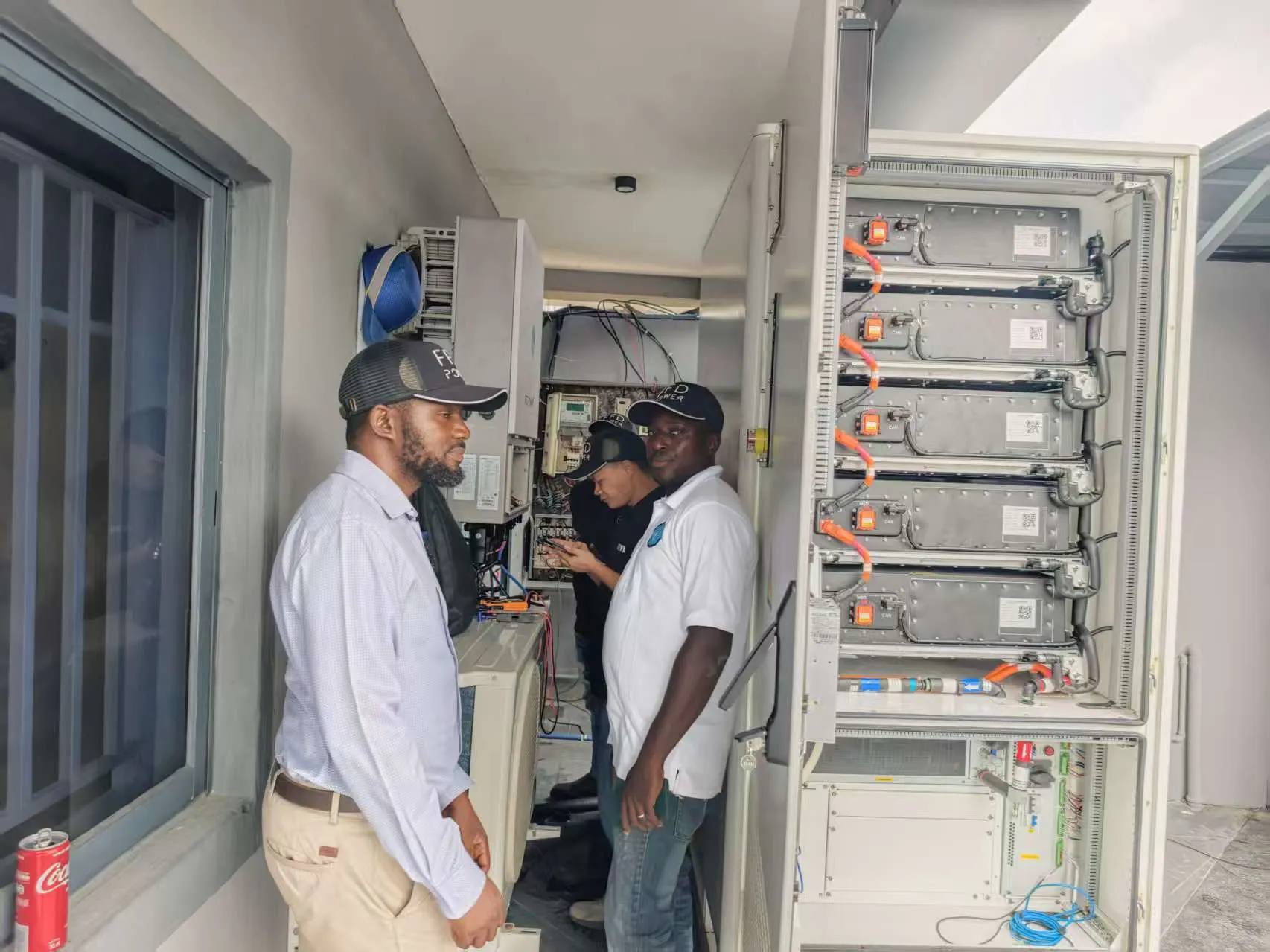
BESS for Headquarters Microgrid in Nigeria demonstrates how a 250kW/522kWh cabinet battery energy storage system can stabilize a corporate headquarters microgrid, ensuring reliable power for offices, IT rooms, security systems, and facility services. In regions where grid supply can be unstable and diesel generators are commonly used, the BESS provides fast balancing, ride-through during switching, and generator optimization to improve power quality and reduce fuel consumption. An EMS-driven strategy coordinates load following, reserve management, and source scheduling to keep the headquarters running smoothly.
Project Background
Corporate headquarters sites have a distinct load profile: high daytime demand from HVAC and office equipment, continuous base load from servers and networking, and strict requirements for uninterrupted power to protect data and maintain business continuity. In many Nigerian urban areas, voltage fluctuations, brief outages, and forced generator operation can disrupt sensitive loads and increase OPEX. By integrating a BESS into the microgrid, the site gains a fast-responding buffer that improves supply stability, enables cleaner transfers between grid and generator, and supports a more efficient dispatch strategy.
Project Challenge
- Power Quality & Continuity: Prevent interruptions and mitigate voltage/frequency disturbances that can impact IT, access control, and office operations.
- Generator Dependence & Fuel Cost: Reduce generator runtime and avoid inefficient low-load operation while still covering peaks and transition events.
- Operational Readiness: Maintain SOC reserve for unexpected outages and ensure coordinated protections to avoid blackouts or nuisance trips during switching.
FFD POWER Solution
FFD POWER delivered a 250kW/522kWh cabinet-based BESS as a core flexibility asset for the headquarters microgrid. The EMS implements load-following dispatch to absorb fast load changes, provides ride-through during source transfers, and maintains a reserve SOC band dedicated to continuity. When paired with a diesel generator, the EMS applies generator-support logic to keep the generator in an efficient operating range, reducing starts, improving fuel efficiency, and enhancing overall microgrid stability. All key operating data and events are logged to support remote monitoring and maintenance.
System Specifications
- BESS POWER : 250 KW
- BESS capacity : 522 KWH
- Product used : Galaxy 261L Cabinet-type all-in-one BESS * 2
- Application : Headquarters microgrid stabilization (grid + generator)
- Architecture: EMS with load-following + reserve SOC + generator support & smooth transfer
Operational Logic: Load Following + Reserve SOC + Generator Optimization
The EMS logic prioritizes continuity for critical office and IT loads while minimizing OPEX:
- Load-Following Control: dispatches the BESS to balance rapid load variations and maintain stable site power under fluctuating supply conditions.
- Reserve SOC Policy: enforces a minimum SOC dedicated to outage ride-through and transfer support; restricts non-essential discharge below reserve.
- Generator Support & Transfer Smoothing: supplies short peaks and absorbs transients to prevent generator overload/underload, enabling smoother transfers and lower fuel consumption.