SOC Reservation to Stack Market Revenue and Plant Auxiliary Backup in Bulgaria
Project Overview
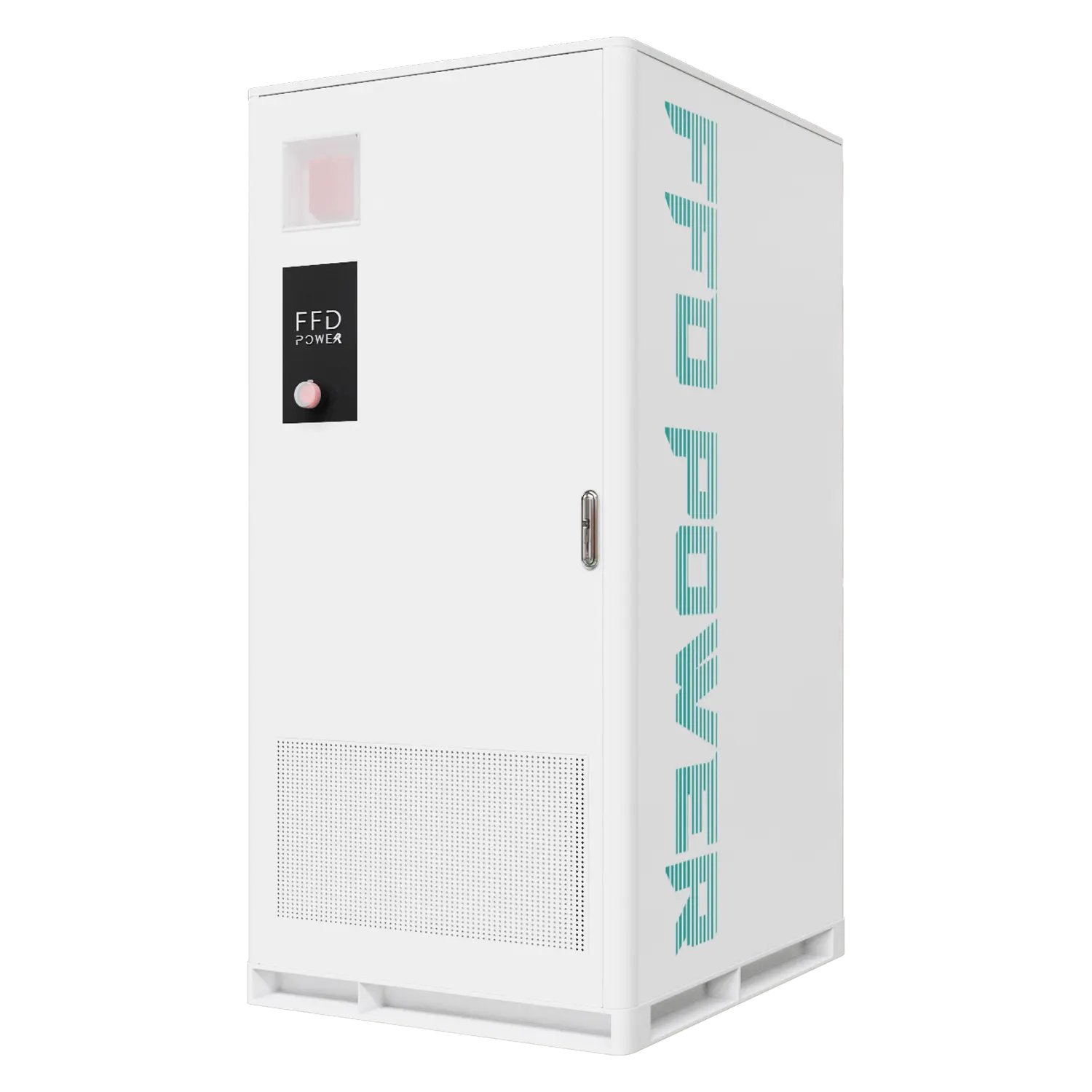
In response to the need for market-based revenue and on-site auxiliary power continuity at a hydro plant, FFD POWER deployed a 105kW/233kWh BESS in Bulgaria as a front-of-the-meter asset to provide energy arbitrage while reserving capacity for backup supply. The project addresses two needs at the plant level: capturing peak–valley price spreads as a front-of-the-meter (FTM) asset, and maintaining auxiliary power during outages or maintenance. By reserving a defined SOC for backup and using the remaining energy window for arbitrage, the system enables reliable value stacking under EMS control.

Project Background
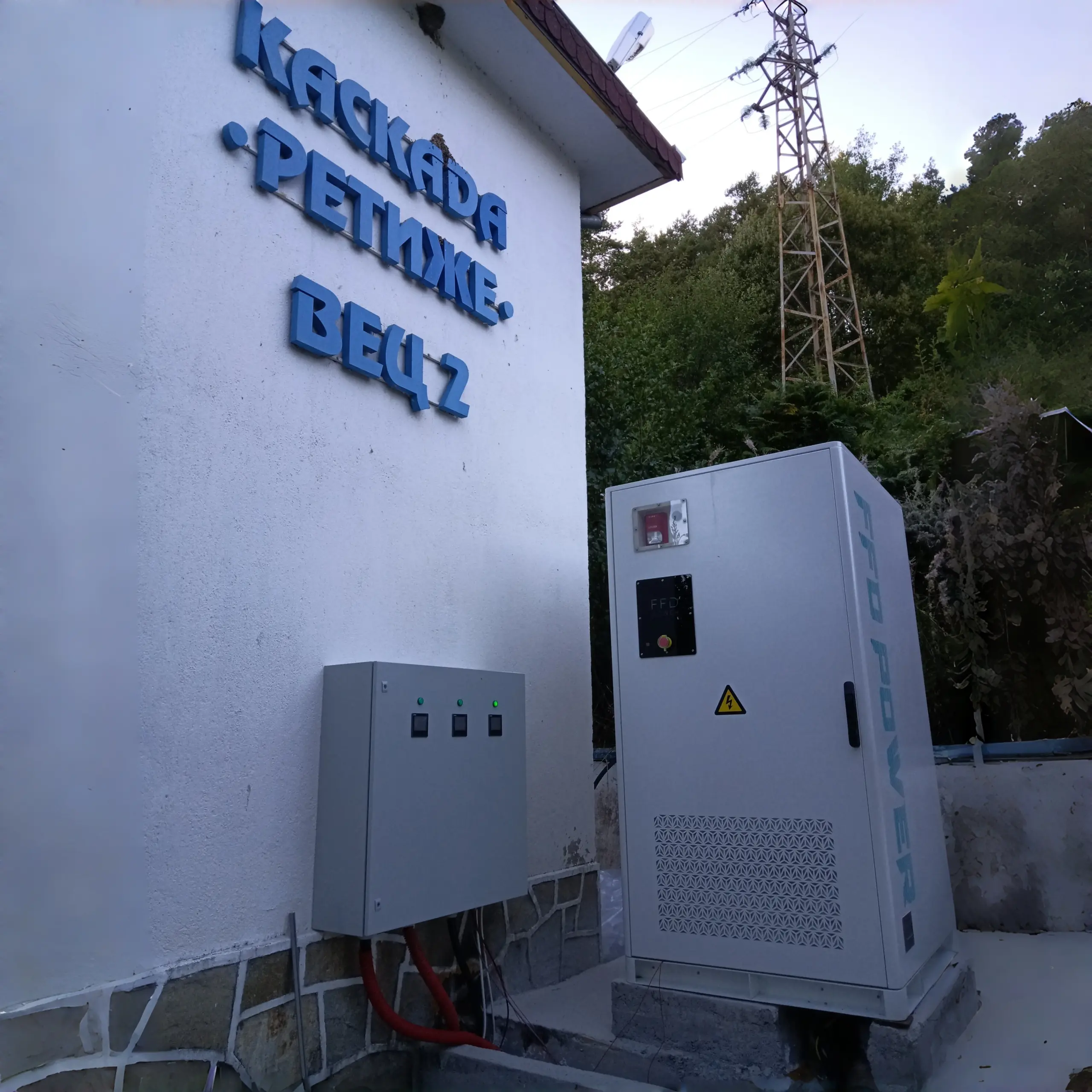
The customer operates a hydro power plant in Bulgaria. As electricity price spreads widen, the site sought an additional revenue stream by participating in price-based energy arbitrage. At the same time, the plant can experience outages or planned maintenance events, during which auxiliary loads still require stable power. The project therefore required a front-of-the-meter (FTM) BESS that could be dispatched for arbitrage while preserving a guaranteed energy reserve for backup—implemented through EMS coordination and SOC reservation logic.
Project Challenge
- FTM Arbitrage Dispatch: The system must charge during low-price periods and discharge during high-price periods to capture peak–valley spreads.
- SOC Reservation for Backup: A defined portion of battery energy must be reserved to ensure backup power for plant auxiliary loads during outages.
- EMS Coordinated Control: The EMS must enforce SOC boundaries, schedule dispatch, and switch operating priorities when backup events occur.
FFD POWER Solution
FFD POWER delivered a 105kW/233kWh FTM BESS for a hydro power plant in Bulgaria. The EMS implements an SOC reservation strategy: a configurable backup reserve is maintained at all times, while the remaining usable SOC window is cycled for energy arbitrage. During low-price periods, the PCS charges the battery up to the arbitrage upper SOC limit; during high-price periods, it discharges down to the reserved backup threshold. When the plant experiences an outage or enters maintenance mode, the system prioritizes backup operation to supply designated auxiliary loads using the reserved energy, improving operational continuity while still enabling routine revenue generation.
System Specifications
- Site type : Hydro power plant (FTM/grid-side asset)
- BESS POWER : 105 KW
- BESS Capacity : 233 KWH
- Product used : Galaxy 233L all-in-one BESS + EMS (SOC reservation control)
- Architecture: FTM BESS for Arbitrage with SOC-Reserved Backup for Plant Auxiliary Loads
Operational Logic: FTM Arbitrage with SOC-Reserved Backup
The EMS stacks two value streams by separating the battery SOC into an arbitrage window and a backup reserve:
- Low-Price Charging (Arbitrage Window): The EMS schedules charging during low-price periods up to the arbitrage upper SOC limit while preserving the backup reserve.
- High-Price Discharge (Revenue Capture): During high-price periods, the PCS discharges to export energy or offset plant demand, stopping at the reserved backup SOC threshold.
- Backup Priority Mode: During outages or maintenance events, the system prioritizes supplying designated auxiliary loads using the reserved SOC, then returns to arbitrage scheduling when grid/plant conditions normalize.