Large-Scale Modular Dispatch on a 400V LV Bus in Chile
Project Overview
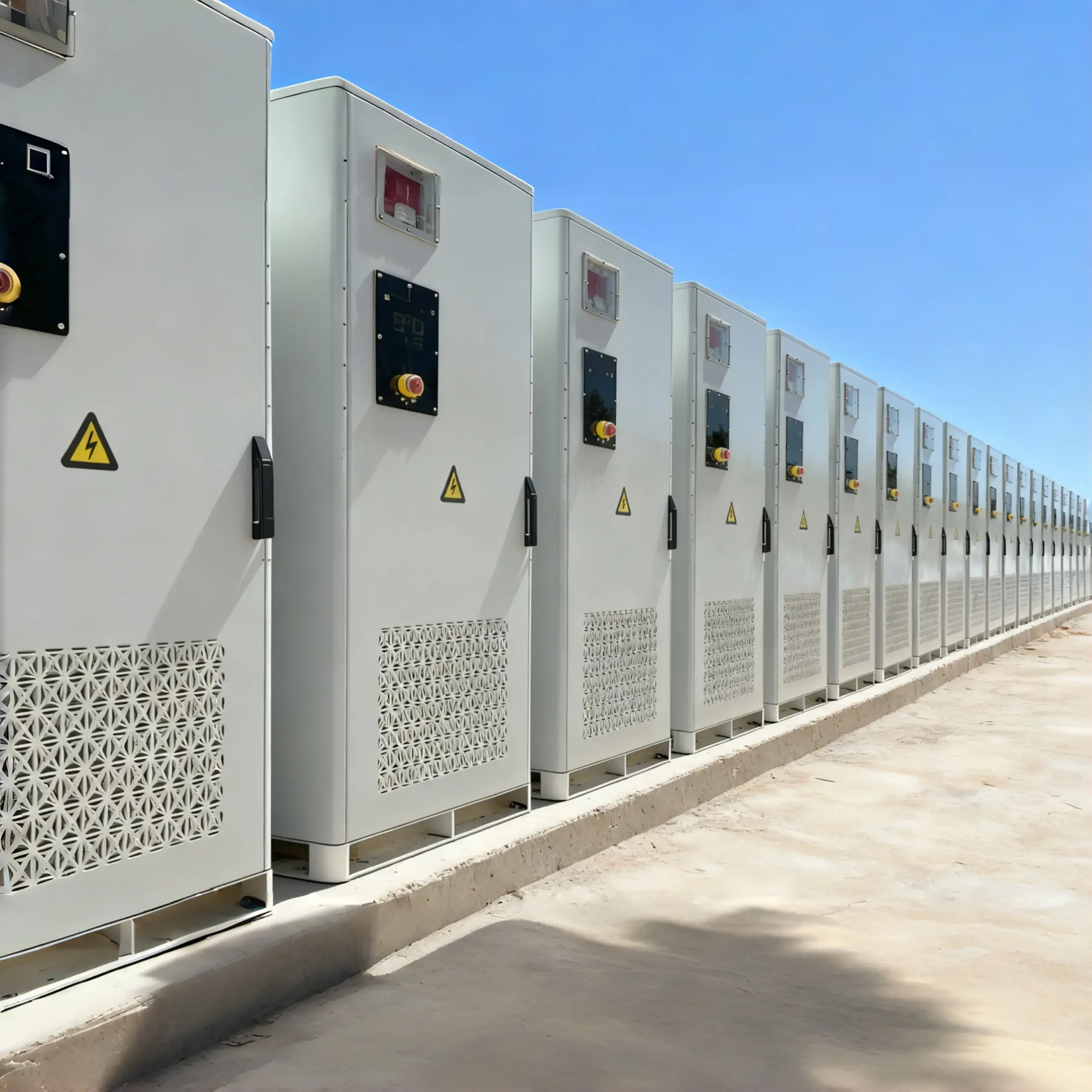
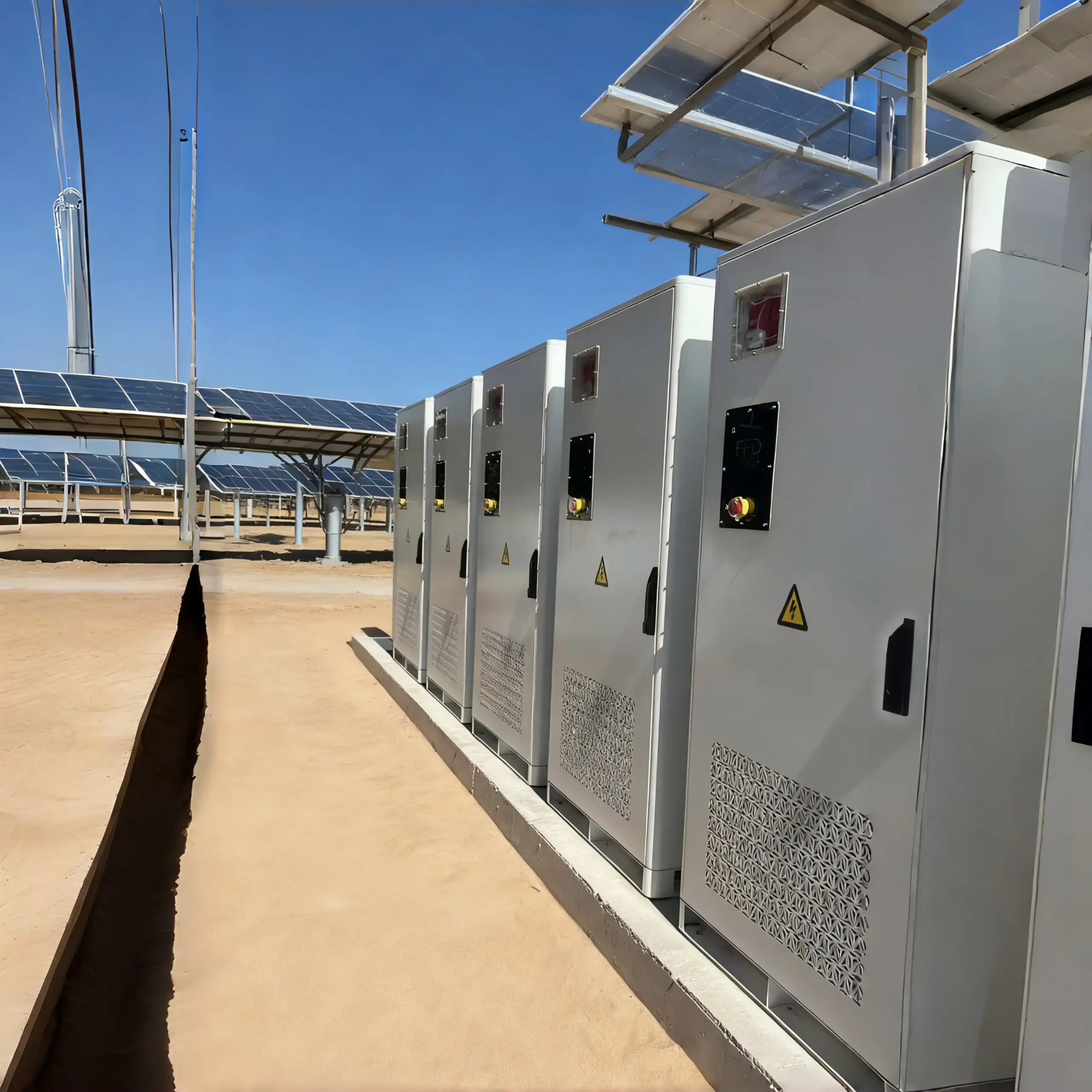
To maximize PV monetization and capture price spreads, FFD POWER delivered a 4,600 KW/12,006 KWH BESS in Chile for PV arbitrage, deployed as 46× Galaxy 233 and integrated on a 400 V LV bus. The project addresses the mismatch between PV generation profiles and market value by storing energy when PV output is high and prices are typically lower, then dispatching during higher-value periods. With a highly modular cabinet fleet, the EMS coordinates charging/discharging and SOC balancing to enable reliable, repeatable arbitrage while maintaining stable operation on the 400V bus.
Project Background
The customer developed a PV project in Chile and sought to improve project returns through energy shifting (PV arbitrage). In many PV markets, mid-day PV output can coincide with lower prices or limited export value, while evening or peak periods carry higher value. The project required a large-scale, modular BESS that could be dispatched repeatedly to capture these spreads while maintaining consistent fleet operation. The solution was deployed as 46× Galaxy 233 units on a 400 V low-voltage bus, enabling scalable installation and cabinet-level redundancy.
Project Challenge
- PV Value Shifting: The system must store energy during high PV/low value periods and dispatch during higher-value windows to capture spreads.
- Large Fleet Coordination on 400 V: Dozens of cabinets must share power and maintain stable operation on a low-voltage bus.
- Dispatch Consistency and SOC Balancing: The EMS must balance SOC across units and enforce limits to ensure repeatable daily operation and long-term availability.
FFD POWER Solution
FFD POWER delivered a 4,600 KW/12,006 KWH BESS for PV arbitrage in Chile, deployed as 46× Galaxy 233 units integrated on a 400 V LV bus. The EMS executes price- and PV-driven scheduling: charging during high-generation/low-value periods and discharging during higher-value windows. To ensure reliable operation across the cabinet fleet, the control strategy manages unit-level power limits, SOC balancing, and coordinated ramping, supporting stable long-term dispatch performance for large-scale PV arbitrage.
System Specifications
- PV installed : PV Plant
- BESS POWER : 4,600 KW
- BESS capacity : 12,006 KWH
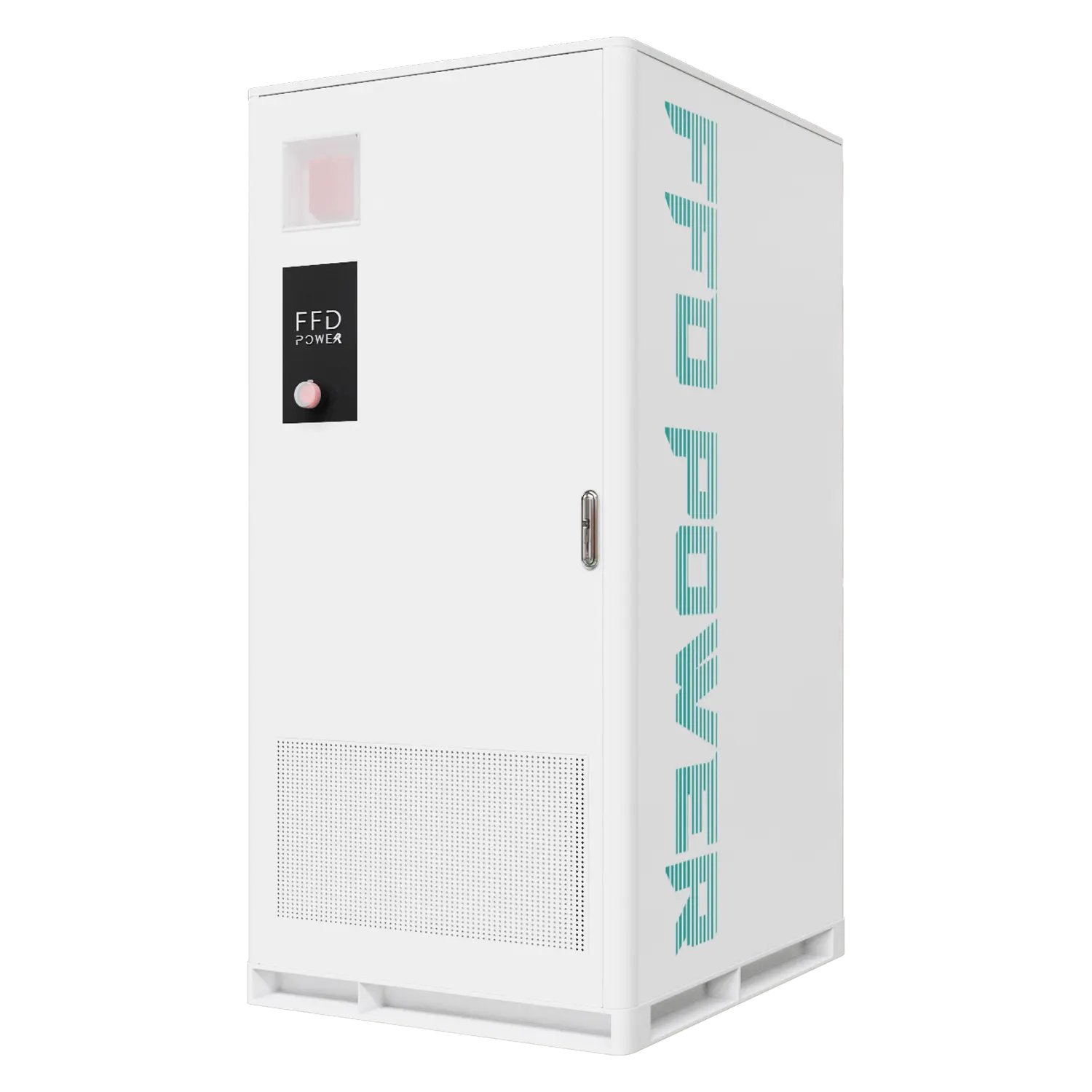
- Product used : 46× Galaxy 233L all-in-one Cabinets (100kW/233kWh Unit) + EMS
- Architecture: Large-Scale PV Arbitrage BESS on 400 V LV Bus with Multi-Cabinet Dispatch
Operational Logic: PV Arbitrage with Fleet-Level Coordination
The EMS coordinates price-based dispatch across a large cabinet fleet to maximize revenue and maintain stable operation:
- Charge on PV Surplus / Low-Value Hours: The BESS charges when PV output is high and market value is lower, capturing energy that would otherwise be sold at reduced value.
- Discharge on High-Value Hours: The PCS discharges according to the arbitrage schedule to deliver energy when prices are higher, maximizing monetization.
- Fleet SOC & Power Balancing: The EMS balances SOC and power across all cabinets, enforcing unit-level limits and coordinated ramping to maintain consistent performance and availability.