
News
Parallel vs. Series Configuration: Impact on System Efficiency and Safety
- October 10, 2025
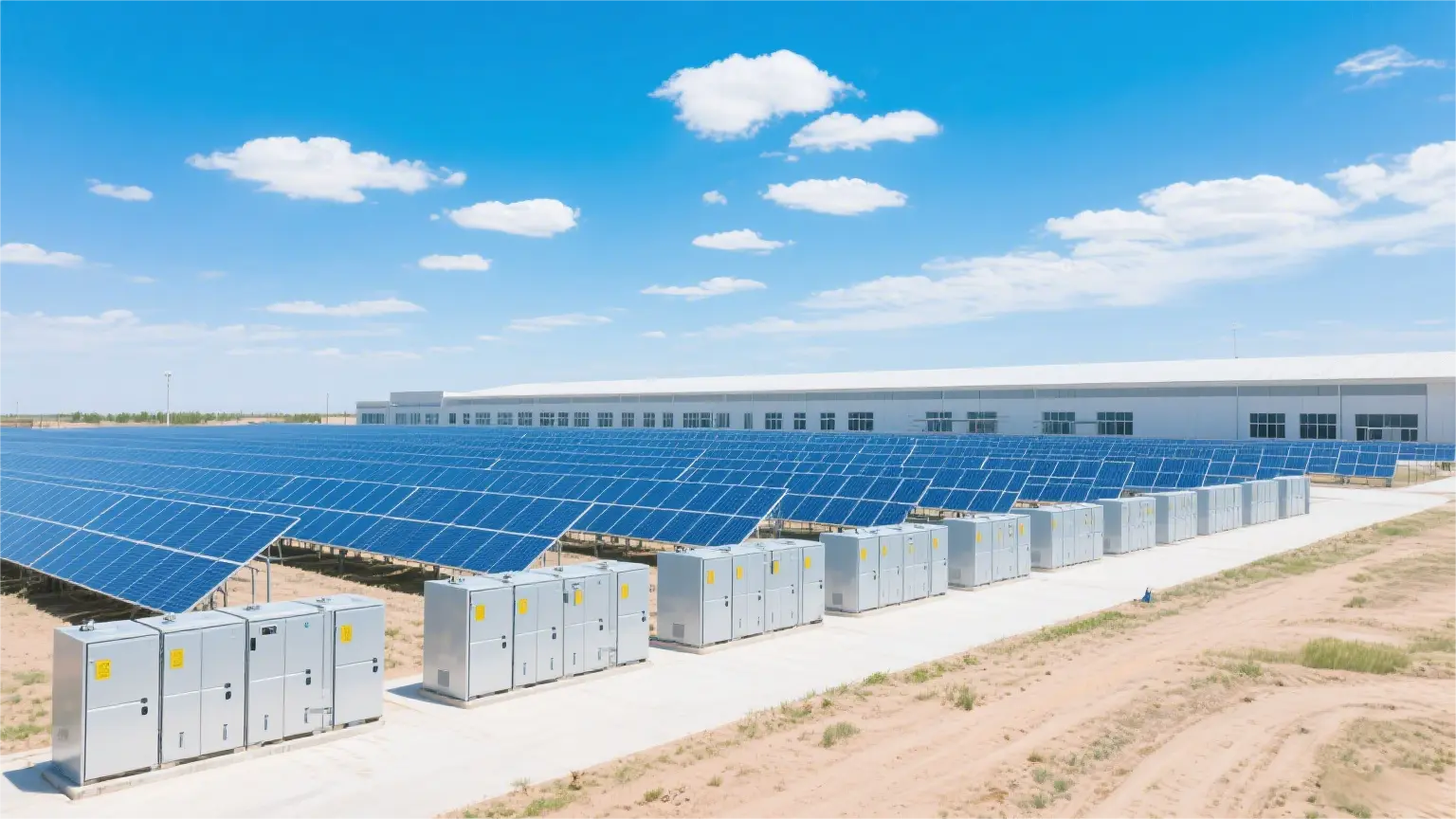
Battery configuration is a critical factor in designing energy storage systems (ESS). The way batteries are connected—in series or parallel—directly affects system efficiency, performance, safety, and lifespan.
Choosing the optimal configuration ensures reliable operation, maximizes energy output, and minimizes risks such as overheating, voltage imbalance, or overcurrent.
Series Configuration: Higher Voltage, Constant Capacity
In a series configuration, battery cells are connected end-to-end. The positive terminal of one cell connects to the negative terminal of the next.
Key Features:
Voltage adds up: The total system voltage equals the sum of individual cell voltages.
Capacity remains constant: The ampere-hour (Ah) capacity of the series string equals the capacity of a single cell.
Advantages:
Reduces current for a given power output, which minimizes losses in wiring and PCS (Power Conversion System).
Ideal for systems requiring high-voltage input, such as grid-tied inverters or high-power applications.
Challenges:
Voltage imbalance can occur if cells have different states of charge (SOC) or capacities.
One weak or damaged cell can affect the entire string, reducing efficiency and potentially causing overheating.
Requires BMS monitoring for voltage balancing and safety.
Parallel Configuration: Higher Capacity, Constant Voltage
In a parallel configuration, all positive terminals are connected together, and all negative terminals are connected together.
Key Features:
Capacity adds up: The total Ah capacity equals the sum of all parallel cells.
Voltage remains constant: The system voltage equals the voltage of a single cell.
Advantages:
Increases total energy capacity, allowing longer runtime without increasing voltage.
If one cell fails, parallel branches can continue supplying power, enhancing reliability.
Reduces voltage stress on individual cells, improving lifespan and safety.
Challenges:
Current imbalance may occur if internal resistances differ between cells, leading to uneven charging/discharging.
Requires careful BMS current monitoring to prevent overheating or overcurrent in individual cells.
Hybrid Configuration: Combining Series and Parallel
Many modern ESS use a series-parallel hybrid configuration. Multiple cells are connected in series to reach the desired voltage, and series strings are connected in parallel to increase capacity.
Benefits of Hybrid Systems:
Achieves high voltage and high capacity simultaneously.
Optimizes efficiency by reducing current while meeting energy demands.
Enhances system reliability: parallel strings provide redundancy if one series string fails.
Considerations:
Balancing both voltage across series strings and current across parallel strings is critical.
Advanced BMS with SOC balancing, temperature monitoring, and fault detection is essential for safety and long-term performance.
Impact on System Efficiency
Series systems reduce current, minimizing resistive losses and improving efficiency for high-voltage applications.
Parallel systems distribute current across multiple paths, lowering stress on individual cells and reducing heat generation.
Hybrid systems can optimize both voltage and capacity, achieving higher round-trip efficiency (RTE) if properly managed.
Proper configuration affects overall energy utilization, losses in wiring and PCS, and thermal management requirements.
Impact on System Safety
Series configuration risks include voltage imbalance, overvoltage, and thermal runaway in a single weak cell.
Parallel configuration risks include current imbalance, overcurrent, and localized overheating.
Hybrid systems require careful BMS management to prevent cascading failures.
Safety measures include:
Cell-level monitoring for SOC, voltage, and temperature
Active balancing circuits for series strings
Fuses or circuit breakers for parallel branches
Redundant monitoring in hybrid ESS
Best Practices for Configuring ESS
Match cell specifications: Capacity, voltage, and internal resistance should be consistent.
Use high-quality BMS: Monitor SOC, voltage, current, and temperature.
Balance series strings: Ensure uniform voltage distribution.
Manage parallel currents: Prevent uneven current flow and overheating.
Thermal management: Proper cooling prevents hotspots and extends battery life.
Regular maintenance: Periodically inspect connections, wiring, and module performance.
FFD POWER’s Approach to Safe and Efficient Configurations
FFDPOWER designs its ESS with optimized series-parallel configurations to maximize both efficiency and safety. Key strategies include:
Advanced LFP cells with high thermal stability and long cycle life
AI-powered EMS for dynamic SOC balancing, predictive maintenance, and real-time monitoring
Redundant safety mechanisms including fuses, BMS alerts, and automated shutdown during anomalies
Modular design allows scaling while maintaining voltage and capacity balance
This approach ensures high round-trip efficiency, long system lifespan, and minimal safety risks, making it ideal for commercial, industrial, and residential applications.
Conclusion
Battery configuration—series, parallel, or hybrid—directly affects efficiency, safety, and reliability in energy storage systems.
Series: higher voltage, lower current, efficient for high-voltage applications but sensitive to weak cells.
Parallel: higher capacity, reliable power supply, safer for individual cell failures but requires current management.
Hybrid: combines advantages of both, but needs robust BMS and monitoring.
Careful design, high-quality cells, and intelligent EMS ensure that ESS delivers optimal performance, safety, and longevity.