800KW/1860KWH in Middle East
Project Overview
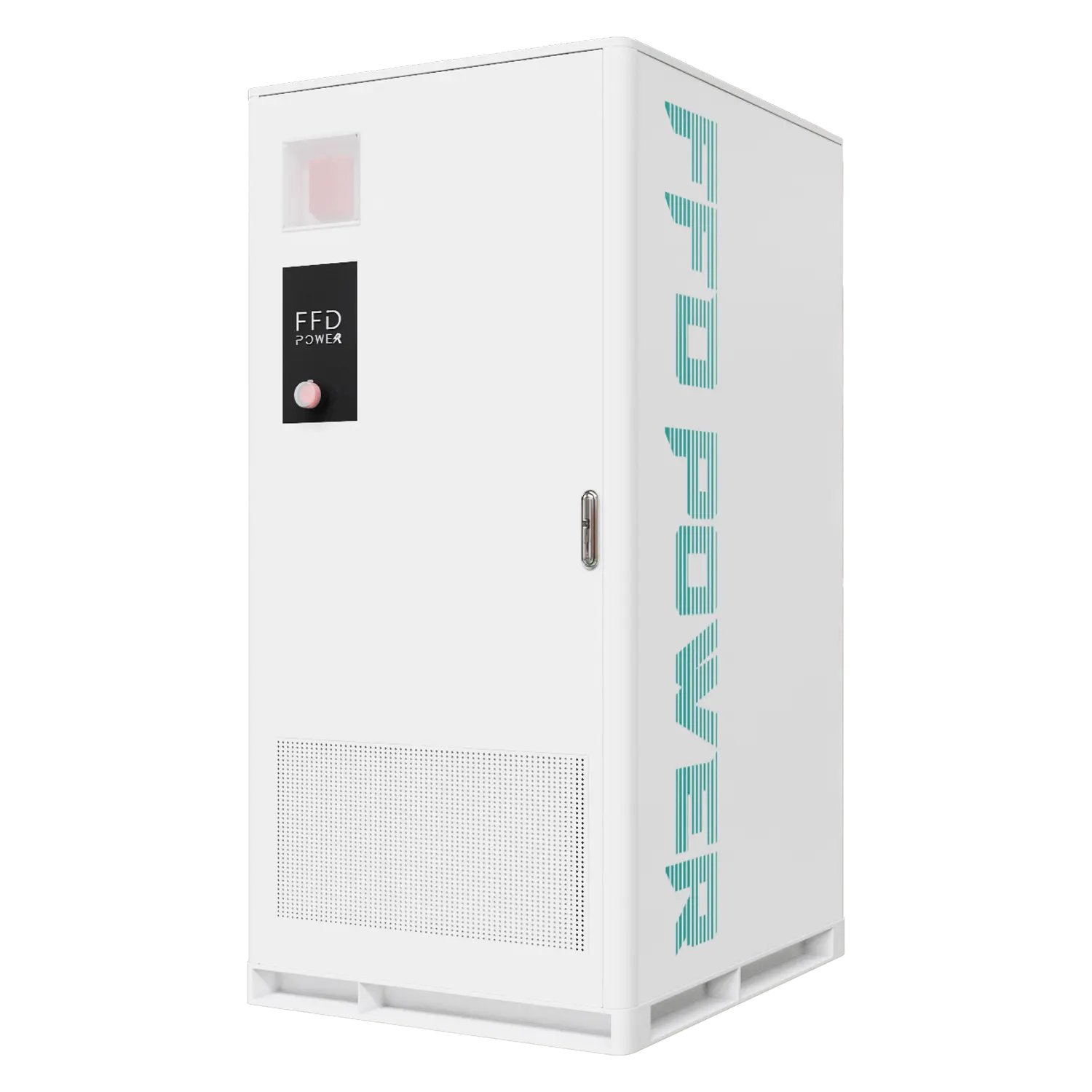
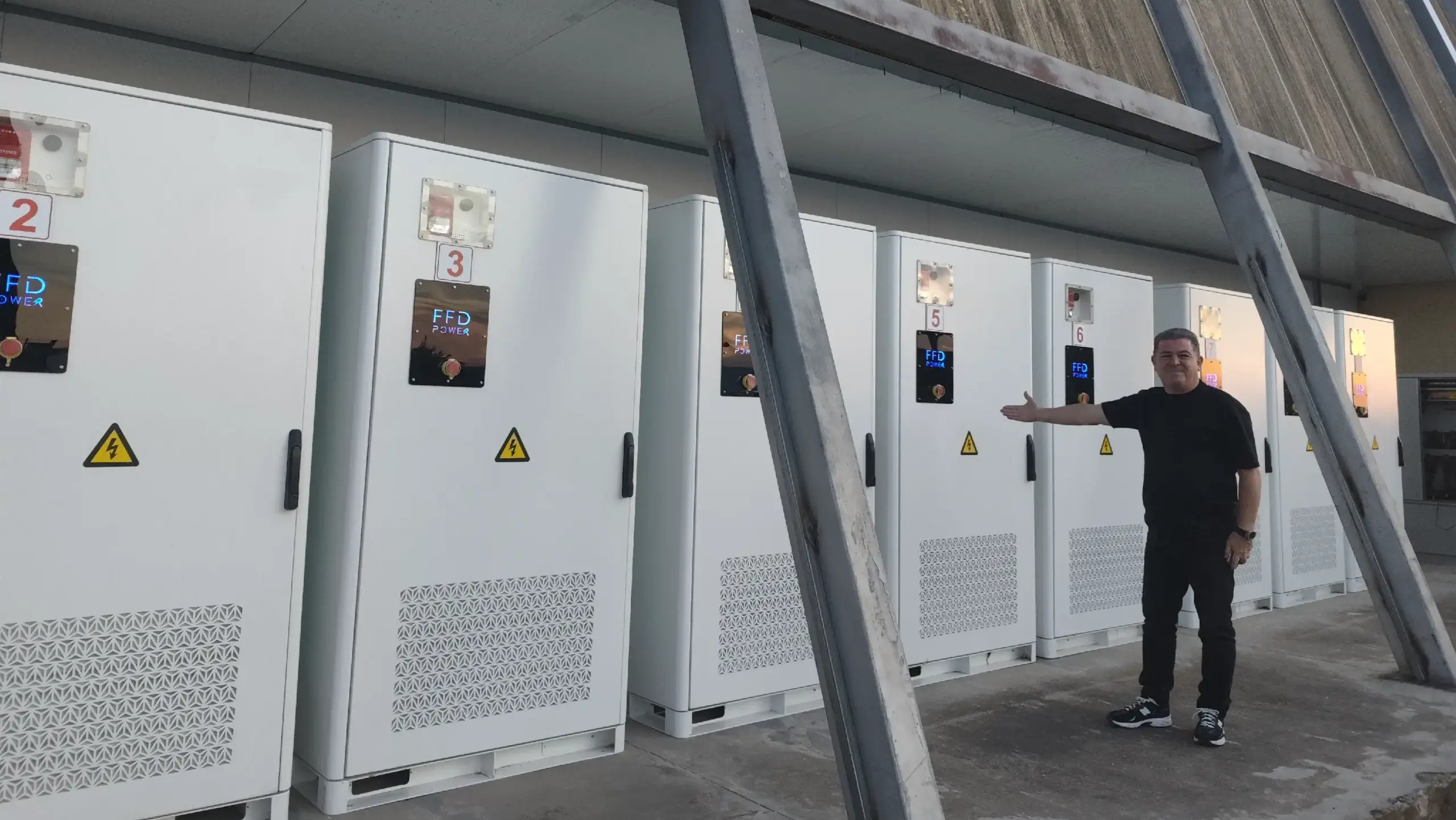
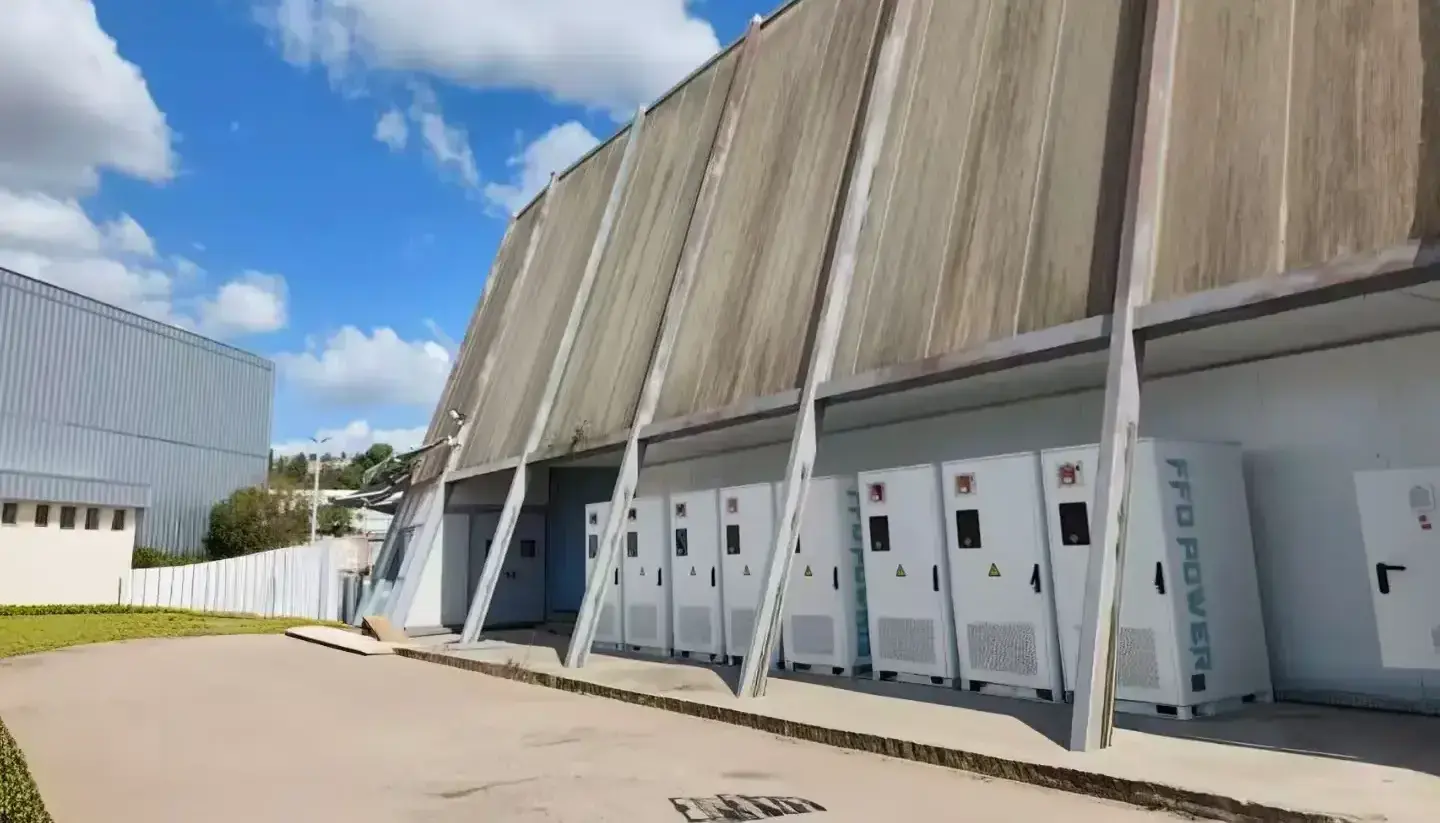
In response to rising time-of-use (TOU) tariffs and the need to maximize onsite solar self-consumption for retail facilities in the Middle East, FFD POWER deployed a rooftop PV-plus-BESS solution for a supermarket. The 0.8MW/1.86MWh LFP system, built with eight Galaxy 233L-AIO-2H units and intelligent EMS control, maximizes solar self-consumption, enables valley charging and peak-period discharge, and supports resilient on/off-grid operation.
Project Background
Retail sites such as supermarkets typically exhibit long operating hours, pronounced evening demand peaks, and significant HVAC loads in warm climates. With strong daytime solar resources but volatile TOU tariffs, the site required a solution that could capture surplus rooftop PV generation, reduce grid imports during high-tariff hours, and maintain stable operation during grid disturbances.
Project Challenge
- Tariff Volatility & Demand Peaks: High TOU spreads and peak demand charges increased operating costs and required active load shifting.
- PV Surplus & Curtailment Risk: Midday rooftop PV output could exceed site demand, creating export limitations and curtailment risk.
- Resilience & Fast Switching: The site required seamless on/off-grid switching and rapid response to load fluctuations without disrupting operations.
FFD POWER Solution
FFD POWER implemented a modular, scalable LFP battery system with a pre-integrated, plug-and-play design and an intelligent EMS. The EMS continuously coordinates PV surplus capture, tariff-aware charging, and peak-period discharge, delivering maximum economic returns while improving operational flexibility and resilience.
System Specifications
- PV installed : 1.5 MW (rooftop)
- BESS POWER : 0.8 MW
- BESS capacity : 1.86 MWh
- Product used : Galaxy 233L-AIO-2H * 8
- Architecture: PV-plus-BESS with intelligent EMS and seamless on/off-grid switching
Operational Logic: The "PV-First + TOU Arbitrage" Strategy
The EMS co-optimizes PV self-consumption and TOU shifting to minimize grid purchases, demand peaks, and curtailment risk:
- Midday PV/Negative-Price Charging: The system charges when PV output exceeds demand and, where applicable, when electricity prices drop below zero, turning surplus energy into stored value.
- Evening Peak Discharge: Stored energy is discharged during high-tariff periods to supply loads, reduce grid import, and lower electricity bills via TOU arbitrage.
- Peak Shaving & Demand-Charge Control: The EMS monitors load profiles in real time and dispatches power to shave peaks, improving grid interaction and reducing demand charges.