News
How Energy Storage and Renewable Energy Drive Carbon Neutrality
- October 11, 2025
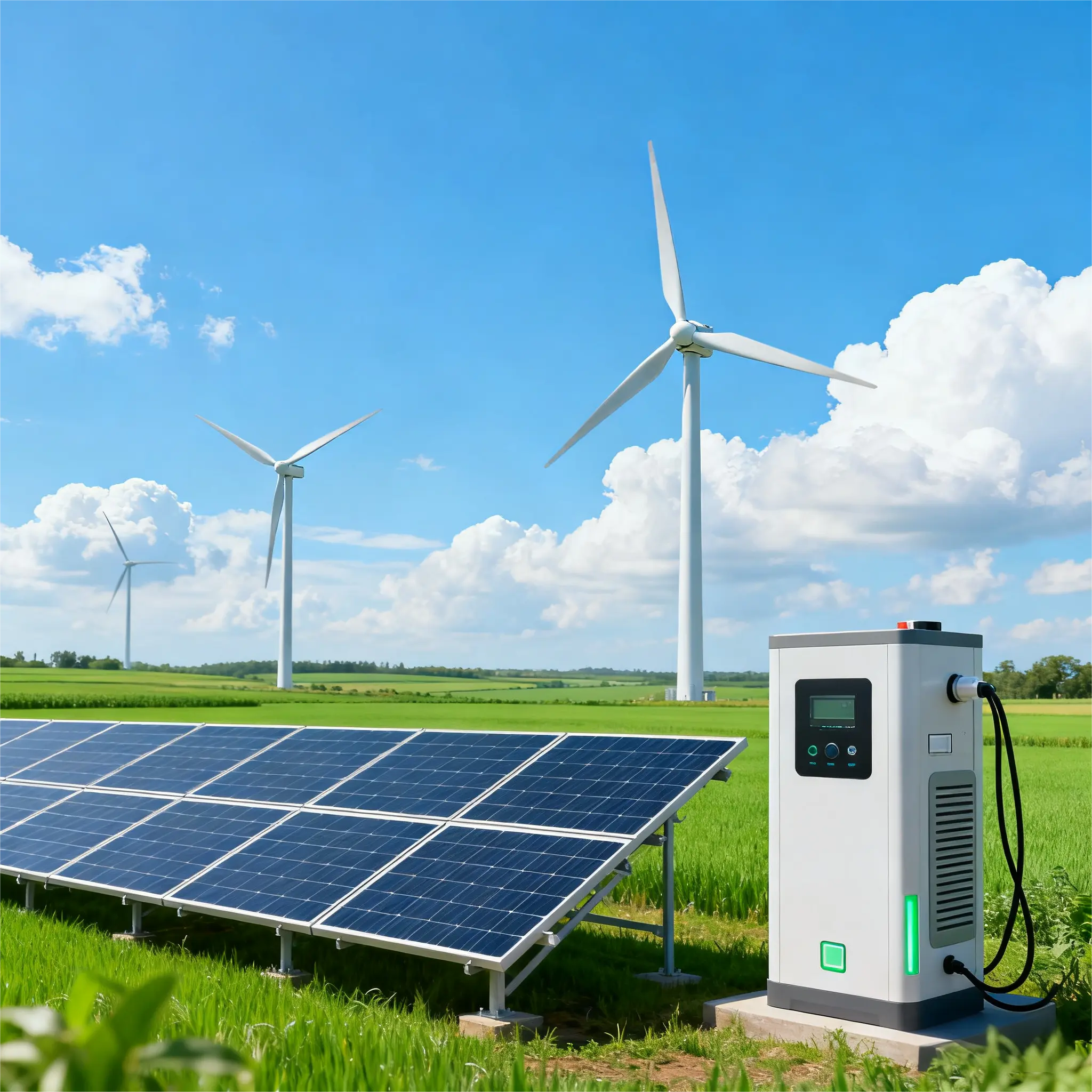
As the global community intensifies efforts to combat climate change, the integration of renewable energy with energy storage systems (ESS) has emerged as a cornerstone strategy to achieve carbon neutrality. By combining solar, wind, and other renewable sources with advanced energy storage technologies, businesses and utilities can reduce reliance on fossil fuels, balance energy supply and demand, and accelerate the transition to a low-carbon future.
The Role of Renewable Energy in Carbon Reduction
Renewable energy sources such as solar photovoltaics (PV) and wind turbines generate electricity without direct greenhouse gas emissions. Large-scale adoption of these technologies can significantly reduce carbon footprints.
However, renewable energy is inherently intermittent. Solar power is only available during daylight hours, and wind generation fluctuates with weather conditions. Without a solution to store excess energy or manage variability, renewable generation cannot fully replace conventional fossil-fuel power plants.
Why Energy Storage is Essential
Energy storage systems (ESS) solve the intermittency problem by storing surplus electricity during periods of high renewable generation and discharging it when demand is high or generation is low. Key benefits include:
Grid stability: Smooths out fluctuations in renewable energy output.
Peak shaving and load balancing: Reduces reliance on fossil-fuel peaker plants.
Increased renewable self-consumption: Maximizes on-site use of solar or wind power.
Resilience: Provides backup power in critical situations, such as data centers or hospitals.
By pairing renewable energy with storage, the effective utilization of green electricity increases, directly contributing to carbon emissions reduction.
Solar-plus-Storage: A Practical Example
A typical solar-plus-storage system combines rooftop or ground-mounted PV panels with lithium-ion batteries. During midday, when solar generation exceeds demand, energy is stored in batteries instead of being curtailed. During evening peak hours, stored energy powers operations, reducing the need to draw electricity from fossil-fuel-based grids.
Real-world benefits include:
Reducing grid electricity consumption and associated carbon emissions.
Enhancing economic returns through time-of-use (TOU) arbitrage.
Enabling greater penetration of renewables without compromising reliability.
FFD POWER, for instance, integrates AI-driven energy management systems (EMS) to predict solar generation, load profiles, and electricity prices, optimizing battery charge-discharge strategies for maximum efficiency and environmental impact.
Industrial and Commercial Impact
Businesses, particularly in the industrial and commercial sectors, can leverage renewable energy + storage to achieve operational carbon neutrality. Examples:
Factories and warehouses: Smooth energy costs and reduce peak demand charges while cutting carbon emissions.
Retail chains and supermarkets: Use rooftop PV and energy storage to power stores efficiently, even during grid outages.
Data centers: Ensure uninterrupted power supply using off-grid solar and storage systems, eliminating reliance on diesel generators.
By reducing carbon-intensive electricity consumption, companies improve sustainability credentials and meet increasingly stringent ESG (Environmental, Social, Governance) standards.
Policy and Market Drivers
Governments worldwide are setting ambitious carbon neutrality targets, incentivizing renewable energy adoption and energy storage deployment through:
Subsidies and tax credits for solar and storage projects.
Feed-in tariffs and renewable energy certificates (RECs) to encourage clean electricity generation.
Mandatory emissions reporting and carbon pricing to penalize high-emission energy usage.
Integrating storage with renewables allows businesses to maximize these incentives, while also future-proofing energy infrastructure against regulatory changes.
AI and Intelligent Energy Management
AI-enabled EMS plays a pivotal role in optimizing renewable energy utilization. By analyzing real-time data, AI algorithms can:
Predict renewable generation and demand patterns.
Adjust charge/discharge schedules to reduce peak grid dependency.
Identify opportunities for energy trading or arbitrage.
Provide early warnings to prevent system inefficiencies or safety risks.
FFD POWER’s cloud-based AI EMS ensures renewable energy and storage systems operate safely, efficiently, and profitably, directly supporting carbon neutrality goals.
Conclusion
The synergy of energy storage and renewable energy is crucial for achieving carbon neutrality. By mitigating intermittency, enhancing energy self-consumption, and enabling intelligent energy management, businesses and utilities can reduce reliance on fossil fuels, lower carbon emissions, and contribute to a sustainable future.
With advanced solutions like FFD POWER’s AI-driven EMS, solar-plus-storage systems are not just energy assets—they are strategic tools for decarbonization, helping industries and communities achieve both financial and environmental objectives.