News
Grid-Scale Energy Storage Cells vs. EV Power Cells: Why They Cannot Be Mixed
- November 28, 2025
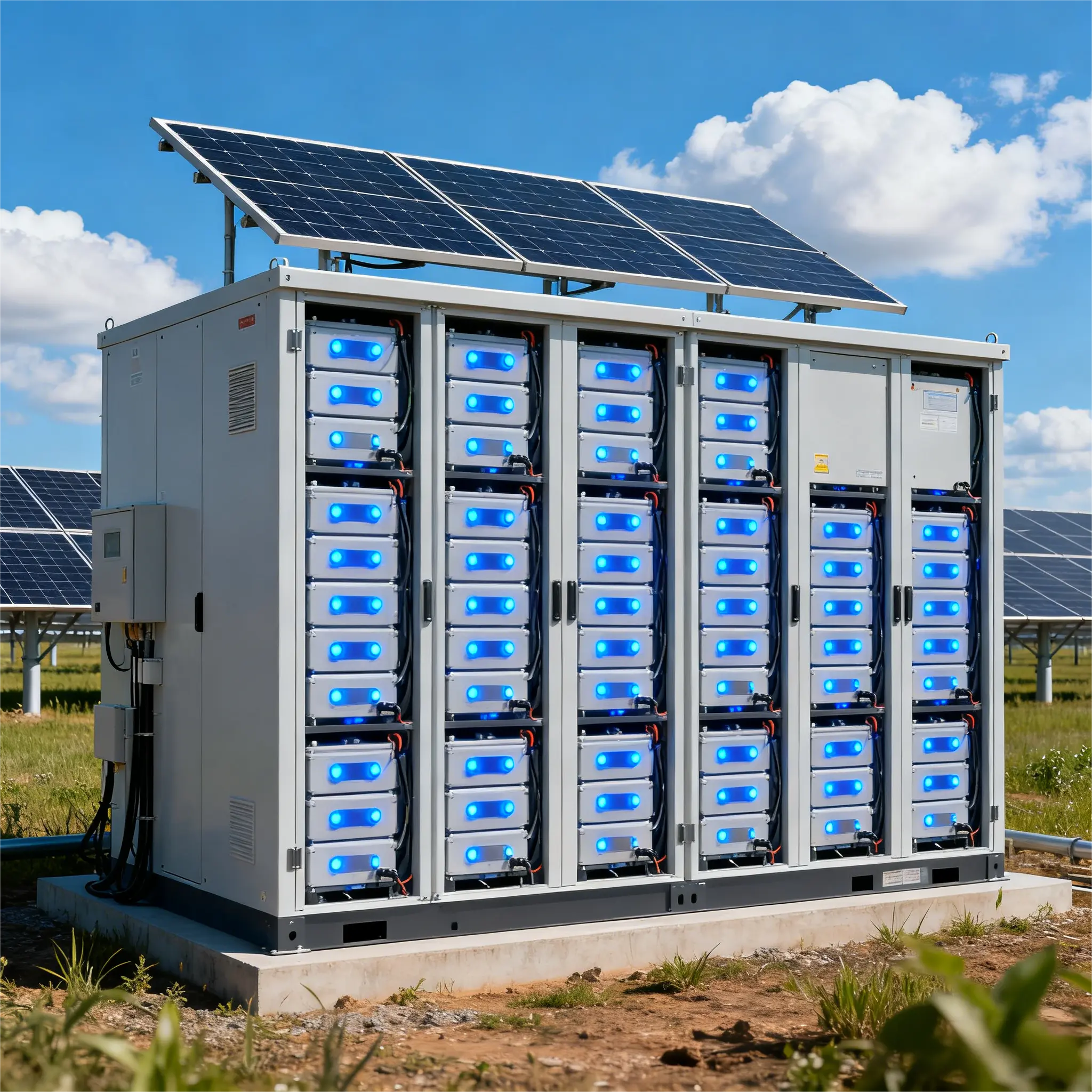
As energy storage technology evolves, one common misconception persists in the market: “Battery cells for large energy storage systems (ESS) and electric vehicle (EV) power cells are similar—can they be used interchangeably?”
The short answer is no.
Despite both being lithium-based cells, grid-scale energy storage cells (“energy cells”) and EV power cells (“power cells”) are fundamentally different in chemistry, design philosophy, performance characteristics, safety standards, and operational expectations.
This article provides a deep technical comparison to explain why these two types of cells cannot—and must not—be mixed, especially in professional energy storage projects.
Different Mission Profiles: Energy vs. Power
EV Power Cells: Designed for High Power
EV cells are engineered for:
High discharge rates (3C–10C or higher)
Rapid acceleration and regenerative braking
Frequent high-current pulses
Light weight and compact size
Their priority is power density—delivering high current in a short time.
ESS Energy Cells: Designed for High Capacity
Grid-scale ESS cells (typically LFP large-format prismatic cells) are engineered for:
Stable 0.25C–1C charge & discharge
Long-duration energy delivery (2–4 hours or more)
Minimal voltage fluctuation
Maximum cycle life (6,000–12,000 cycles)
Their priority is energy density, longevity, and safety.
👉 Conclusion:
EV cells are like sprinters.
ESS cells are like marathon runners.
Sprinters cannot run marathons, and marathon runners cannot sprint.
Cycle Life: ESS Requires 2–3x Longer Lifespan
EV user behavior is unpredictable: acceleration, braking, temperature extremes, and varying SOC ranges.
As a result, EV power cells typically provide:
1,000–2,000 cycles
Grid-scale ESS, however, must operate reliably for:
10–20 years
Constant daily cycling
Controlled temperature
Predictable operating windows
Therefore, ESS energy cells typically offer:
6,000–12,000 cycles
If EV power cells are used in ESS:
Rapid capacity loss
Early system degradation
Poor economic performance
LCOS (Levelized Cost of Storage) increases dramatically
Thermal Management & Safety Requirements Differ Greatly
EV Power Cells: High Risk Under High Power
High C-rates generate significant internal heat.
EVs rely heavily on:
Liquid cooling
High-speed thermal response
Large thermal buffers
Even so, EV thermal incidents still occur.
ESS Cells: Focus on Long-Term Stability & Safety
ESS cells are optimized for:
Low heat generation
Stable SEI layer
Uniform internal structure
Slow, predictable degradation
High tolerance to environmental changes
Mixing EV cells into ESS leads to:
Increased thermal stress
BMS imbalance
Higher fire risk
Uncontrollable cell behavior in cabinet/module form
Chemical & Structural Differences That Matter
EV Cells
Diverse chemistries (LFP, NCM, NCA)
Smaller formats (18650/21700/4680 or small prismatic/tabless)
High current collectors
Lightweight design
ESS Cells
Almost universally LFP
Large-format prismatic 280–320 Ah or beyond
Thicker internal materials
Lower internal resistance
Longer SEI stability
These differences affect:
Energy density
Heat distribution
Aging mechanisms
Response to overcurrent
BMS & PCS Are Not Designed for Power Cells
ESS BMS systems are tuned for:
Low C-rates
Large-format LFP cell curves
Slow, predictable thermal behavior
Stable voltage plateaus
EV power cells introduce:
Faster voltage drops
Higher voltage spikes
More dynamic SoC changes
Unstable current pulses
This causes:
BMS misjudgment
Inaccurate SoC/SOH estimation
PCS overcurrent trips
System instability
Warranty, Certification, and Compliance Issues
Using EV power cells in a grid-scale ESS will violate:
UL9540 / UL9540A
IEC 62933
UN38.3
Utility interconnection codes
Fire and safety standards
Manufacturer warranty terms
No professional ESS manufacturer or integrator will—and legally cannot—mix power cells into energy storage cabinets.
The Economic Reality: Mixing Cells = Guaranteed Financial Loss
Even if EV cells appear “cheaper”:
Faster aging
Lower usable capacity
Higher replacement cost
Greater maintenance
More downtime
Higher insurance cost
Increased safety risk
All lead to:
Poor ROI
Higher LCOS
Project failure
The small upfront “saving” destroys long-term value.
Conclusion: Energy Cells and Power Cells Serve Different Worlds
Grid-scale energy storage requires:
Long cycle life
High safety
Low degradation
Stable long-duration output
Predictable lifetime performance
EV power cells cannot meet these requirements.