News
Full Life-Cycle Cost Analysis of Energy Storage Projects
- October 11, 2025
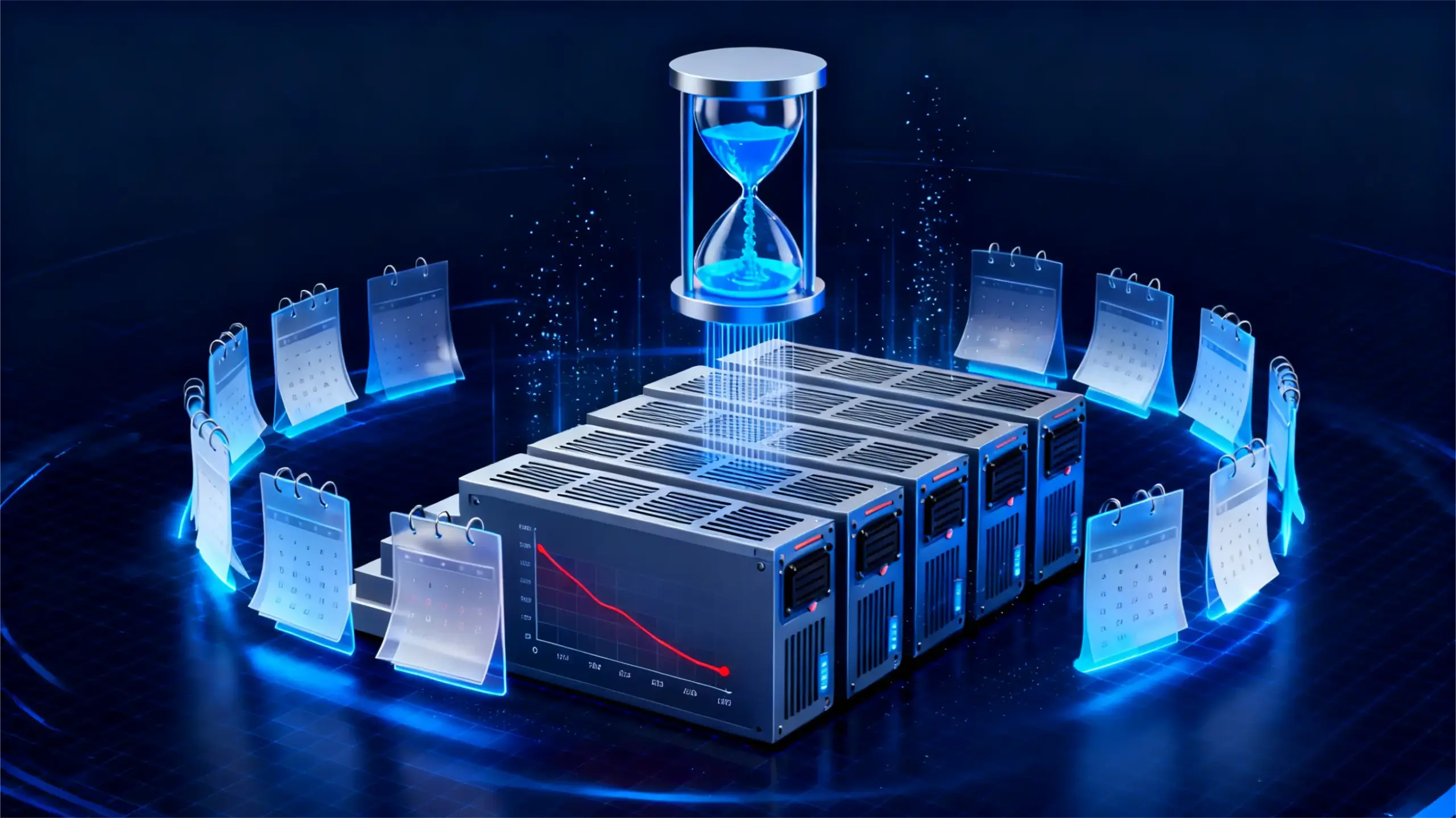
As energy storage technologies continue to advance and global energy transition accelerates, understanding the full life-cycle cost (LCC) of an Energy Storage System (ESS) has become critical for investors, developers, and energy users.
A project’s success is no longer determined solely by its initial investment, but by the total cost of ownership (TCO) and economic returns over its entire life span.
This article explores the key components of life-cycle cost analysis, identifies the main cost drivers, and explains how intelligent design and AI-driven energy management—like that offered by FFD POWER—can maximize the value and profitability of energy storage assets.
What Is Life-Cycle Cost (LCC) in Energy Storage?
Life-cycle cost (LCC) refers to the total expenditure required to design, purchase, install, operate, maintain, and eventually decommission an energy storage system throughout its service life.
It includes not just the upfront cost, but all the financial factors that affect long-term ownership:
CAPEX (Capital Expenditure): The initial cost of purchasing and deploying the system.
OPEX (Operational Expenditure): The ongoing costs of running and maintaining the system.
Decommissioning & Replacement Costs: Expenses related to end-of-life recycling or component replacement.
By evaluating the system from a life-cycle perspective, investors can identify the true cost per kWh stored and delivered, often expressed as Levelized Cost of Storage (LCOS).
Key Components of Energy Storage LCC
1) CAPEX — Initial Investment
This includes all costs necessary to bring the system online:
Battery Packs: The largest cost driver, typically 40–60% of total CAPEX.
Power Conversion System (PCS): Converts AC/DC power with efficiency and reliability.
Energy Management System (EMS) & BMS: Ensures intelligent operation, safety, and efficiency.
Installation & Commissioning: Includes electrical works, site preparation, and grid integration.
FFD POWER utilizes high-quality LFP battery cells, advanced BMS, and integrated AI EMS to reduce long-term cost per cycle through higher efficiency and reliability.
2) OPEX — Operating and Maintenance Costs
These include:
Energy Losses: Efficiency degradation during charge/discharge (RTE).
Maintenance & Monitoring: Routine servicing and remote diagnostics.
Software Upgrades: Keeping the EMS up to date with new algorithms.
Cooling & HVAC: Essential for battery longevity and safety.
An efficient system with predictive AI monitoring can minimize OPEX by preventing faults before they occur and optimizing operations for lower energy costs.
3) Replacement and End-of-Life Costs
Battery performance naturally degrades over time, typically measured by Cycle Life and Depth of Discharge (DoD).
Eventually, components may need replacement or recycling.
Sustainable manufacturers like FFD POWER design systems with long-cycle LFP batteries, reducing the frequency of replacements and lowering lifetime cost.
Levelized Cost of Storage (LCOS): The True Benchmark
The Levelized Cost of Storage (LCOS) is widely recognized as the most comprehensive metric for assessing the economic performance of an energy storage system.
In simple terms, LCOS represents the average cost of storing and then delivering each kilowatt-hour (kWh) of electricity over the entire lifetime of the system.
To calculate LCOS, all costs incurred during the system’s life—such as the initial investment, operation and maintenance expenses, and eventual component replacement—are added together. This total lifetime cost is then divided by the total amount of electricity that the system will deliver during its operational life.
In essence, LCOS tells us how much each unit of usable energy truly costs after accounting for all expenditures and system degradation over time. A lower LCOS means the storage system is more cost-effective and efficient throughout its lifespan.
Several key factors determine LCOS performance:
Round-Trip Efficiency (RTE): The higher the efficiency, the less energy is lost during charge and discharge cycles.
Cycle Life and Depth of Discharge (DoD): Systems capable of more cycles and deeper discharges can deliver more total energy over time.
Degradation Rate: Slower battery degradation extends useful life and reduces replacement costs.
Operational Optimization: Intelligent Energy Management Systems (EMS) that respond to energy prices and load fluctuations improve financial returns.
In short, LCOS provides a true benchmark for comparing different energy storage technologies and project designs. It helps investors move beyond the initial purchase price and understand the real long-term economic value of an energy storage system.
AI and Digitalization: Redefining Life-Cycle Economics
Traditional LCC models rely on static assumptions. Today, AI-powered Energy Management Systems (EMS) transform this approach through dynamic optimization and predictive intelligence.
FFD POWER’s AI EMS platform continuously analyzes:
Real-time energy prices, solar generation, and load profiles
Battery State of Health (SOH) and degradation trends
Optimal charge/discharge timing for maximum ROI
Early warning of potential faults to reduce downtime
This not only enhances safety and reliability but also maximizes revenue generation and asset lifespan, significantly lowering the effective life-cycle cost.
Total Economic Value: Beyond Cost Savings
Life-cycle cost analysis is not only about minimizing expenses—it’s about maximizing total project value.
When evaluated holistically, ESS projects deliver:
Energy Arbitrage Profit: Charge during low-price periods, discharge during peak prices.
Peak Shaving and Demand Charge Reduction: Reduce grid costs for industrial users.
Backup Power: Prevent production loss during outages.
ESG & Sustainability Benefits: Support carbon neutrality and corporate responsibility.
With precise data-driven optimization, each of these value streams contributes to a higher return on investment (ROI) and shorter payback period.
Conclusion
A comprehensive life-cycle cost analysis is essential for building economically viable and sustainable energy storage projects.
By understanding the true cost drivers—CAPEX, OPEX, replacements, and LCOS—and integrating AI-based optimization, investors can achieve long-term profitability and performance stability.
At FFD POWER, we believe the future of energy storage lies in smart, safe, and data-driven systems.
Our mission is to help our partners unlock the full value of their energy assets through advanced AI, intelligent design, and transparent economic analysis—ensuring every watt stored delivers measurable impact.