Technology

ENERGY STORAGE SYSTEM (ESS): How FFD POWER Makes Energy Storage “Plug & Play Like a TV”

The ENERGY STORAGE SYSTEM (ESS) industry is growing fast—but many projects still feel overly complicated: multiple subsystems, multiple tools, long commissioning cycles, and slow approval processes. That complexity becomes cost: shipping delays, more site labor, more troubleshooting, and higher lifecycle OPEX.

FFD POWER’s mission is simple: Make an ENERGY STORAGE SYSTEM as easy to deploy as a TV—Plug & Play.

That means an ESS that is engineered end-to-end: from cell grouping discipline and cabinet design, to logistics, installation ergonomics, commissioning workflow, compliance documentation, and remote operations.

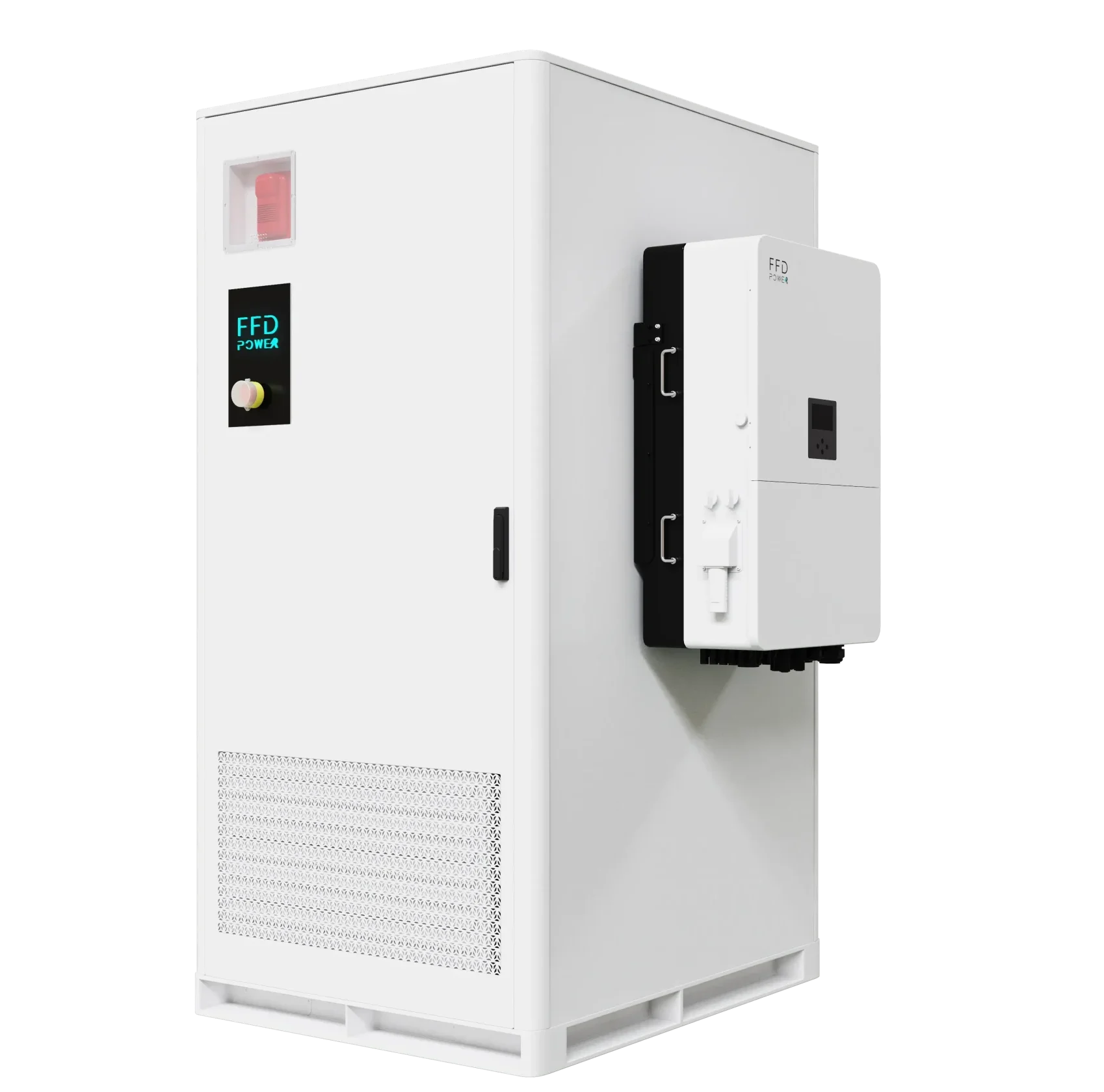
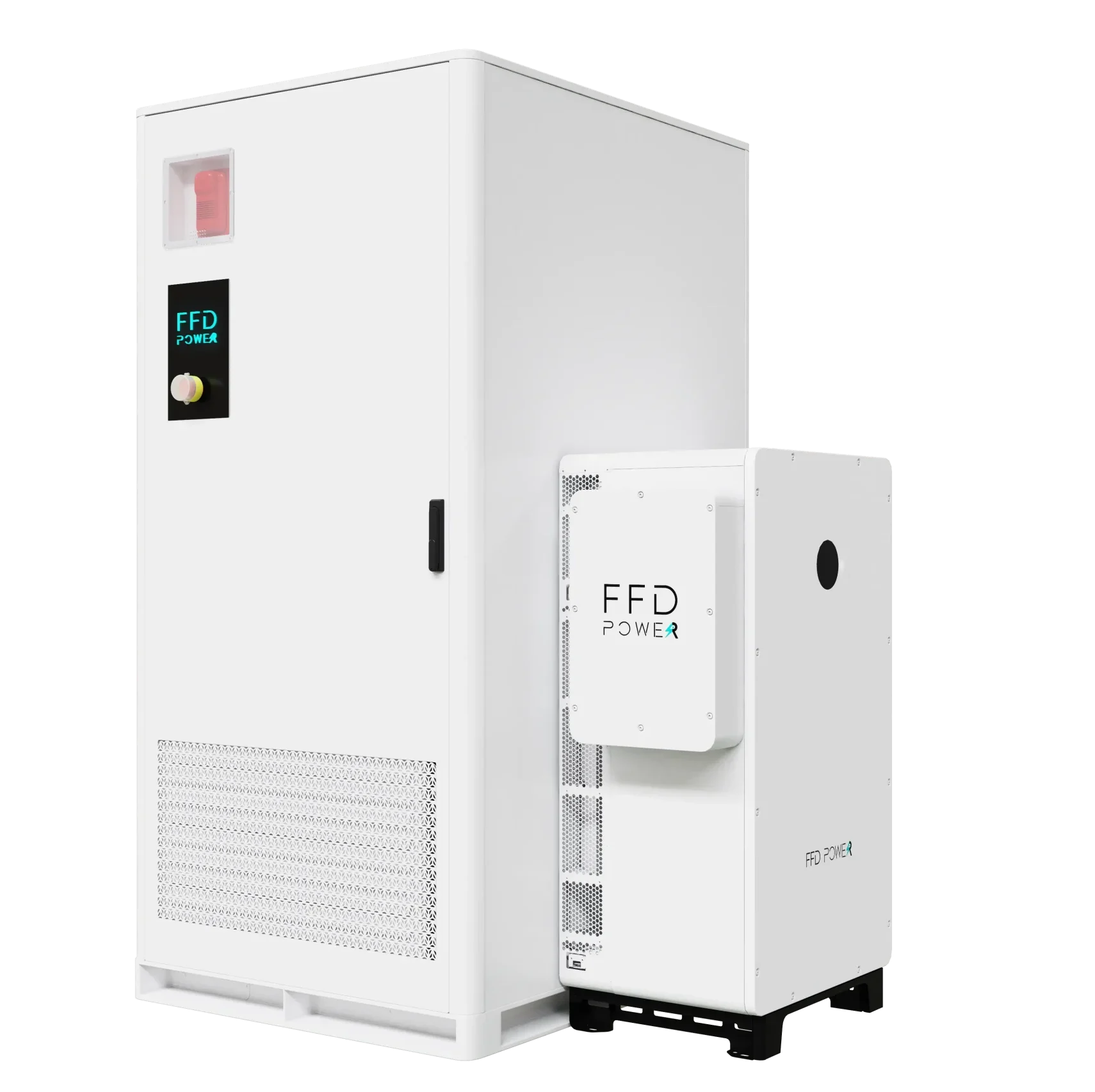
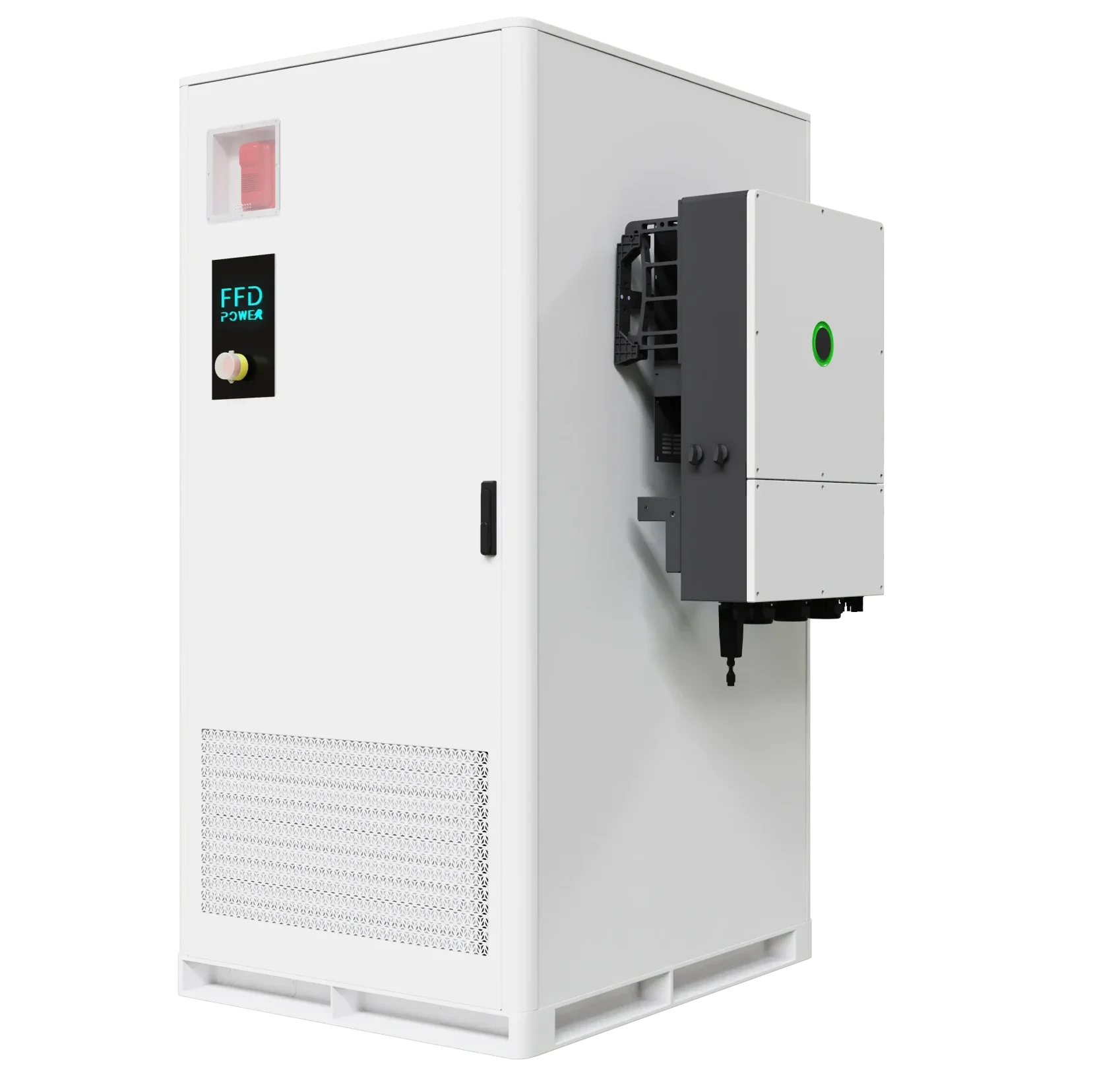
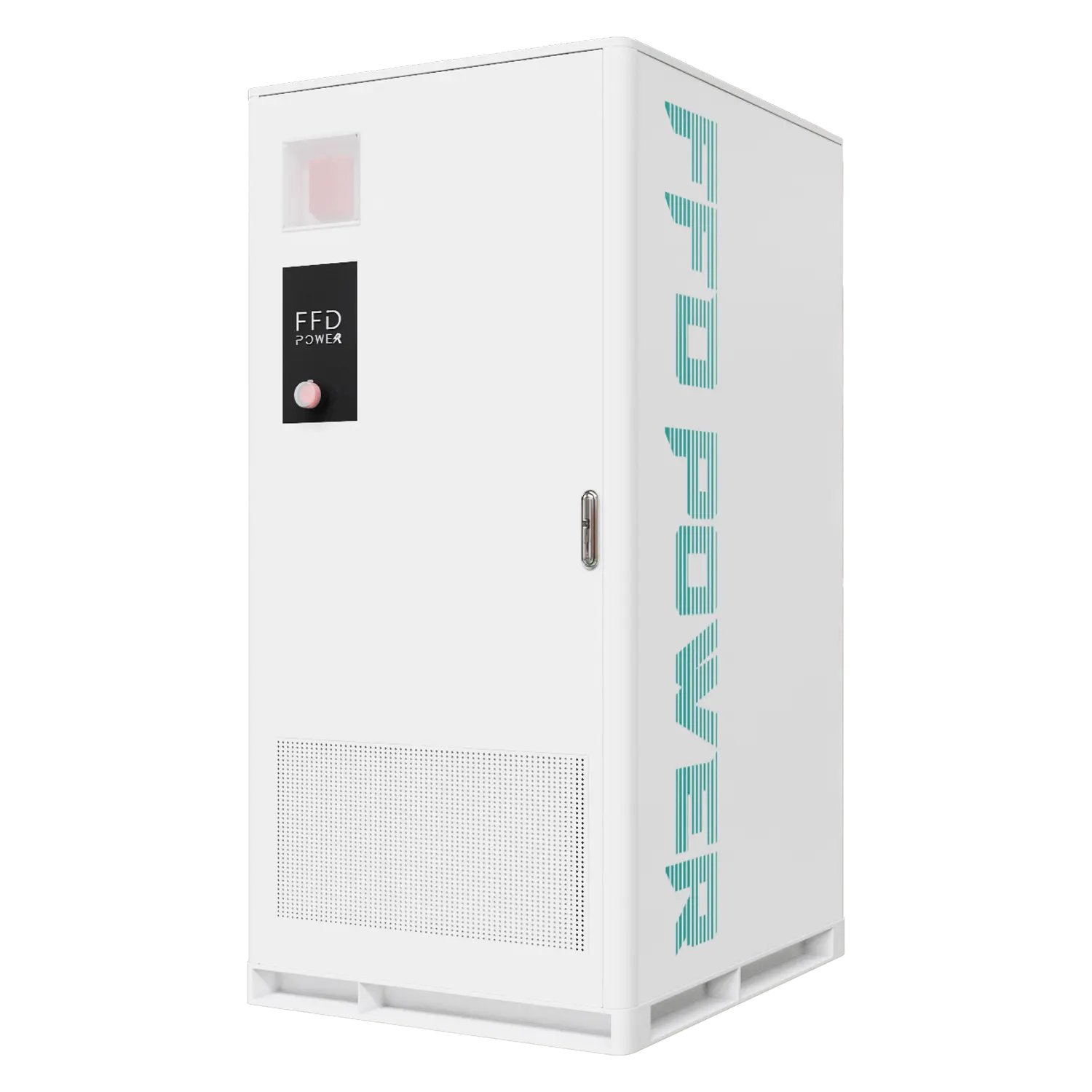
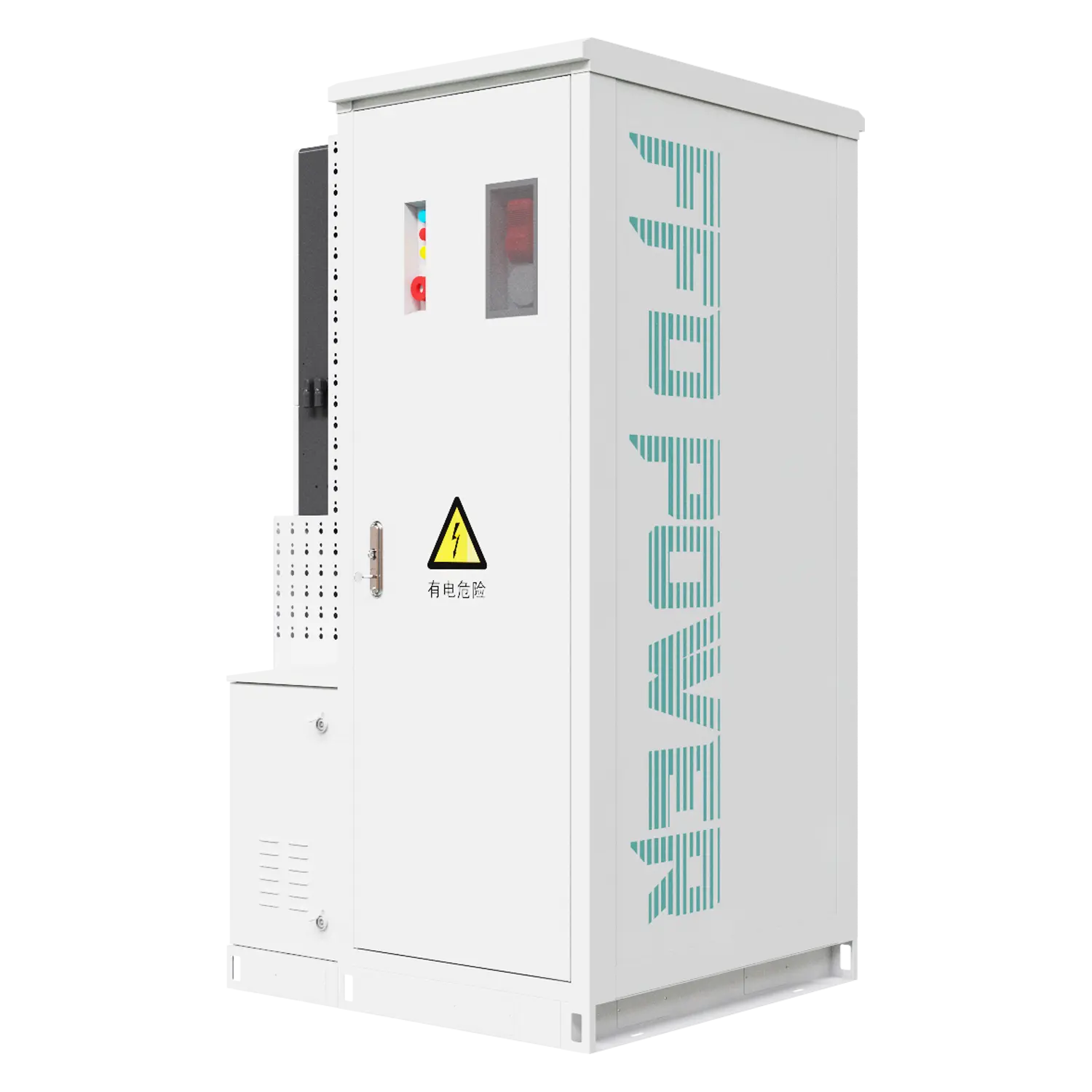
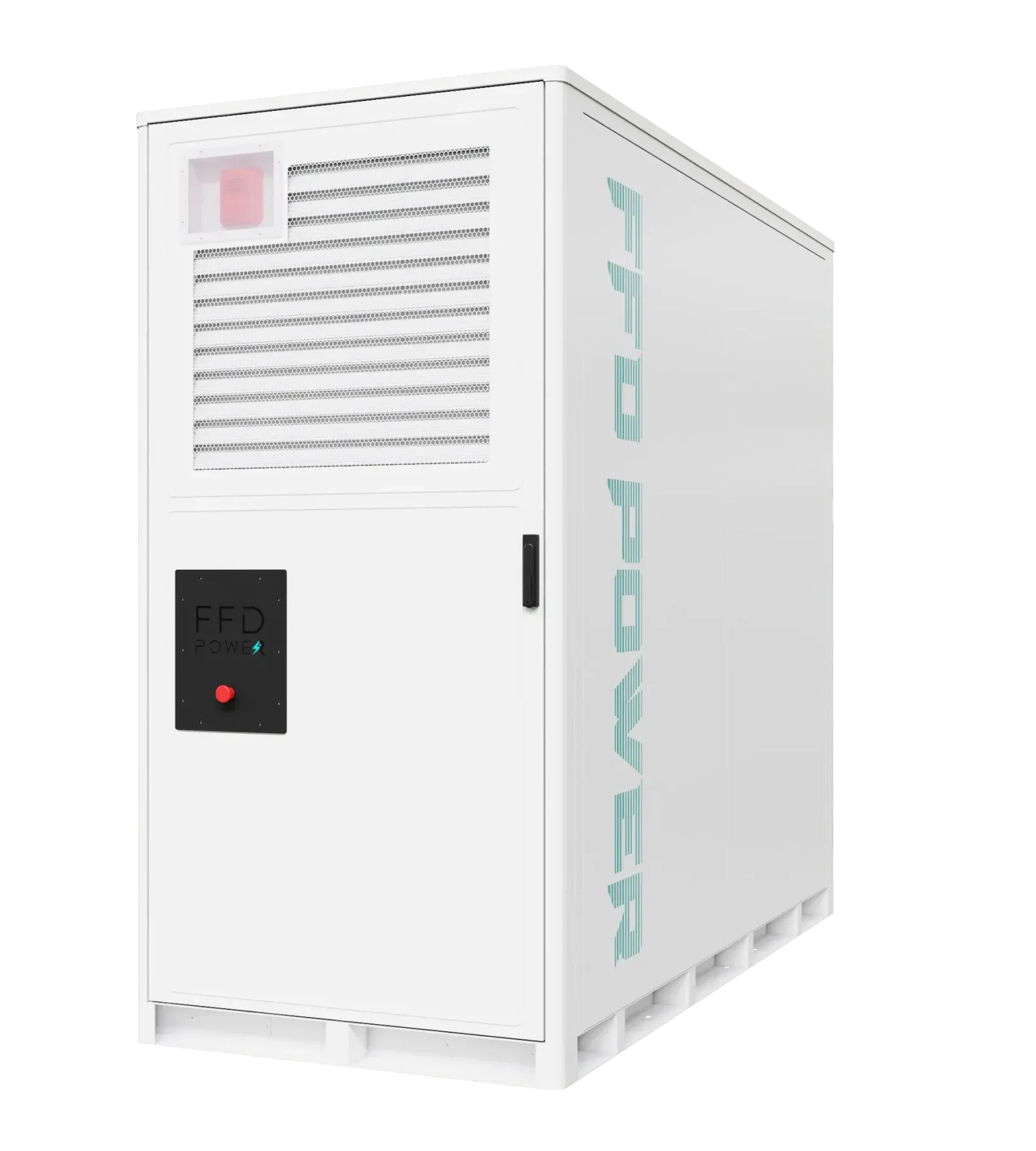
Energy Storage System by FFD POWER

Browse our BESS cabinet model pages (kW/kWh options) for C&I PV + storage, peak shaving, backup power and microgrids.

What Is an ENERGY STORAGE SYSTEM?

An ENERGY STORAGE SYSTEM is, by definition, a system that stores energy and releases it when needed. There are multiple storage technologies, including:

  • Pumped hydro storage

  • Flywheel storage

  • Compressed air energy storage (CAES)

  • Battery energy storage (BESS)

While each technology has its place, FFD POWER focuses on Battery Energy Storage Systems (BESS)—because batteries are modular, scalable, and ideal for commercial & industrial (C&I), microgrid, and distributed energy scenarios.

FFD POWER’s goal is to make battery ESS a standardized product—repeatable, deployable, and easy to operate—just like consumer electronics.

Battery Energy Storage System ≠ Battery Cells

A common misconception is that “battery energy storage system” equals “battery cells.” In reality:

  • Cells are only one component of a complete BESS.

  • System performance is increasingly determined by architecture, configuration, and control rather than cell chemistry alone.

Because LFP cell technology is now very mature, the differentiator shifts toward system engineering:

  • stability under real grid/load conditions

  • thermal uniformity and protection strategy

  • commissioning simplicity

  • compliance readiness

  • remote O&M efficiency and fault isolation

Key Components of a High-Quality ENERGY STORAGE SYSTEM

A modern ESS is a “power + control + safety” system, typically including:

  1. Battery system (cell → module → pack → rack/string/cluster)

  2. BMS (Battery Management System): protection, balancing, SOC/SOH estimation, fault grading

  3. PCS (Power Conversion System): charge/discharge control, grid-forming / grid-following modes, reactive support

  4. EMS (Energy Management System): operating strategies and dispatch logic

  5. Thermal management: HVAC or liquid cooling (uniformity matters more than the “brand”)

  6. Fire protection & safety: detection + interlocks + suppression + containment

  7. Electrical protection: breakers/fuses, SPDs, grounding, insulation monitoring

  8. Communications & integration: SCADA gateway, standard protocols, data mapping

In today’s market, the best ENERGY STORAGE SYSTEM manufacturer is the one that delivers the most reliable system-level design—not only “good cells.”

An ENERGY STORAGE SYSTEM Is Only One Part of a ESS Project

Even the best ESS can underperform if the project chain isn’t engineered for real-world delivery. A complete energy storage project also includes:

  • Transportation & customs clearance

  • Installation & site construction

  • Commissioning & acceptance testing

  • Documentation approval & compliance submission

  • Operations & maintenance (O&M)

  • Grid infrastructure readiness, such as transformer upgrades, RMU additions, protection coordination, and interconnection work

This is why “Plug & Play ESS” must be more than a slogan. It must reduce friction across the entire project lifecycle.

FFD POWER Energy Storage—Plug & Play from Cell Grouping to Remote O&M

FFD POWER optimizes every step of an ENERGY STORAGE SYSTEM deployment. The result is a product-like experience: easier shipping, simpler installation, faster commissioning, smoother approval, and more efficient long-term operation.

Strict Cell Grouping Standards (Not Just “Grade A Cells”)

FFD POWER does not treat “Grade A” as sufficient. For long-term ESS stability, we enforce strict cell consistency requirements at the grouping level. Below are key examples from our technical agreement requirements:

Capacity consistency

  • Extreme difference in cell capacity within a battery cluster: ≤ 3Ah

  • Single cell capacity: ≥ 327Ah

Voltage consistency

  • Voltage difference at 27% SOC: ≤ 5mV

Self-discharge rate consistency

  • Extreme difference in cell k-value within a cluster: ≤ 0.03 mV/h

Internal resistance control

  • Cell internal resistance range: 0.17–0.26 mΩ

  • Internal resistance difference within a group before cells leave factory: 0–0.03 mΩ

Why this matters for an ENERGY STORAGE SYSTEM:

  • less SOC drift over time

  • reduced balancing stress

  • more stable operation and fewer abnormal alarms

  • better lifecycle performance and usable energy consistency

This is one of the “invisible” quality signals that separates a long-life BESS cabinet from short-term assembly products.

Logistics Made Easy: Compact, Shipping-Friendly ESS Cabinets

Many storage projects face delays and hidden costs due to overweight containers and complicated customs handling.

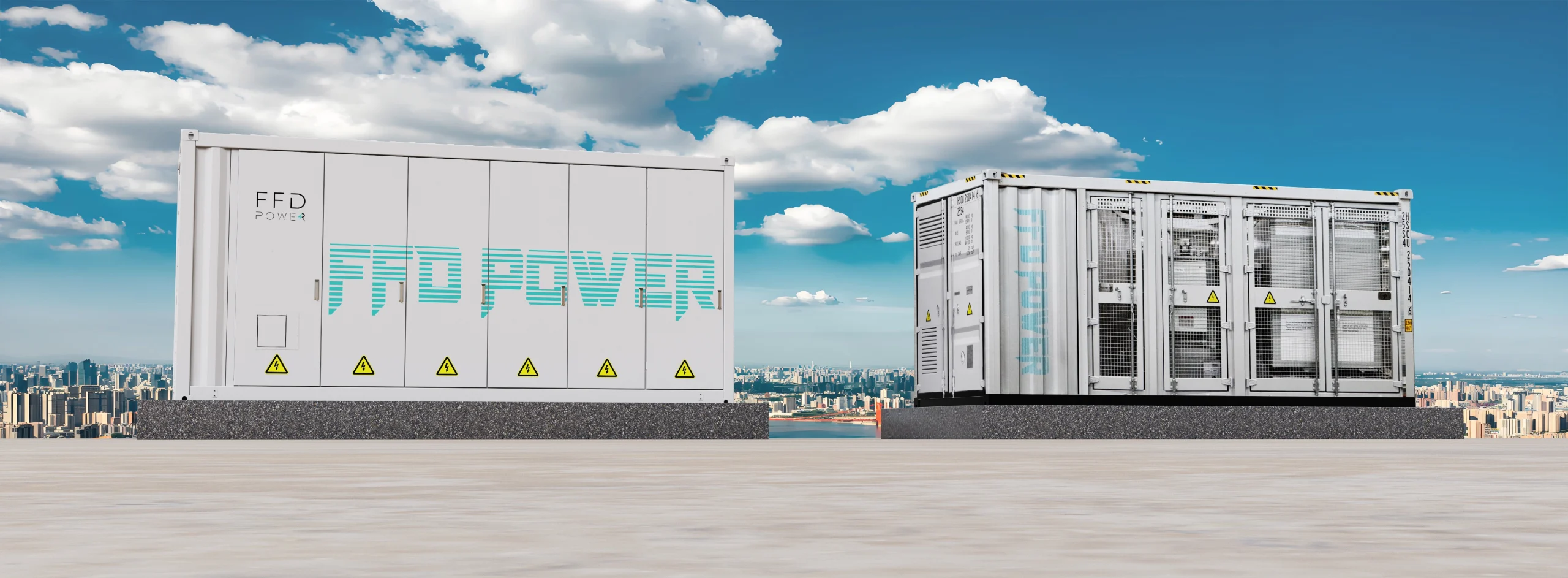
FFD POWER designs cabinets to be extremely compact and logistics-friendly, improving global delivery reliability:

  • A 40-ft container can ship 10 units of 261kWh BESS

  • Or 6 units of 418kWh BESS CABINET

This reduces customs risk and avoids the operational issues commonly associated with overweight or oversized shipments—making global delivery smoother.

Installation Designed for People: Ergonomics That Save Labor

Plug & Play is not only software—it’s physical design.

FFD POWER cabinets are built with installation ergonomics in mind:

  • key wiring positions are ≥ 50 cm above ground

  • easier and safer cable routing

  • compatible with cost-effective aluminum cable installations where appropriate

The result is faster installation, fewer mistakes, and more consistent quality across sites and teams.

Commissioning Without a Laptop: ANYPORT (EMS) “Tap-to-Commission”

Traditional ESS commissioning often requires multiple laptops, multiple vendor tools, adapters, and long on-site debugging.

FFD POWER reduces this friction using ANYPORT (EMS):

  • no laptop required as a master station

  • connect the Ethernet cable

  • complete commissioning by pressing a few buttons on the screen

This turns commissioning into a standardized workflow—reducing reliance on individual engineer experience and making site delivery repeatable.

Global Approval Made Easier: Certifications + Grid Compliance Package

For global energy storage projects, approval often depends on documentation first. A cabinet can be technically excellent—but if certification and grid compliance documentation are incomplete, projects stall.

FFD POWER provides a global compliance and documentation package designed to support approvals in international markets.

Core safety / EMC / power electronics standards (examples)

  • IEC 62619

  • IEC 63056

  • EN 61000

  • IEC 62477

  • IEC 62109

  • UL 9540A (adopted as a baseline compliance standard within FFD POWER’s certification framework)

Grid connection standards coverage (examples)

  • EN 50549 (Europe general grid connection reference)

  • Germany: VDE 4105 / VDE 4110

  • Italy: CEI 0-16 / CEI 0-21

FFD POWER’s grid compliance coverage extends across 80+ countries, enabling easier documentation approval and faster project execution worldwide.

Note: Certification applicability and documentation sets can vary by model configuration and grid voltage level (LV/MV/HV). For project bidding, FFD POWER provides the documentation list matched to your jurisdiction and requirements.

O&M Built for Stability: String-Type BESS + BESSMEN Remote Platform

In operations, the biggest fear is “one fault takes down everything.”

FFD POWER uses a String-Type BESS architecture and the self-developed BESSMEN platform to maximize availability:

  • fault impact is limited to the cluster level at most

  • issues do not cascade to the full system

  • remote monitoring and service workflows reduce downtime and site visits

  • supports longer lifecycle stability and more usable charge/discharge throughput

This is how an ENERGY STORAGE SYSTEM becomes truly scalable: you can operate more sites with fewer truck rolls and predictable fault isolation.

Typical Applications for ENERGY STORAGE SYSTEM (ESS)

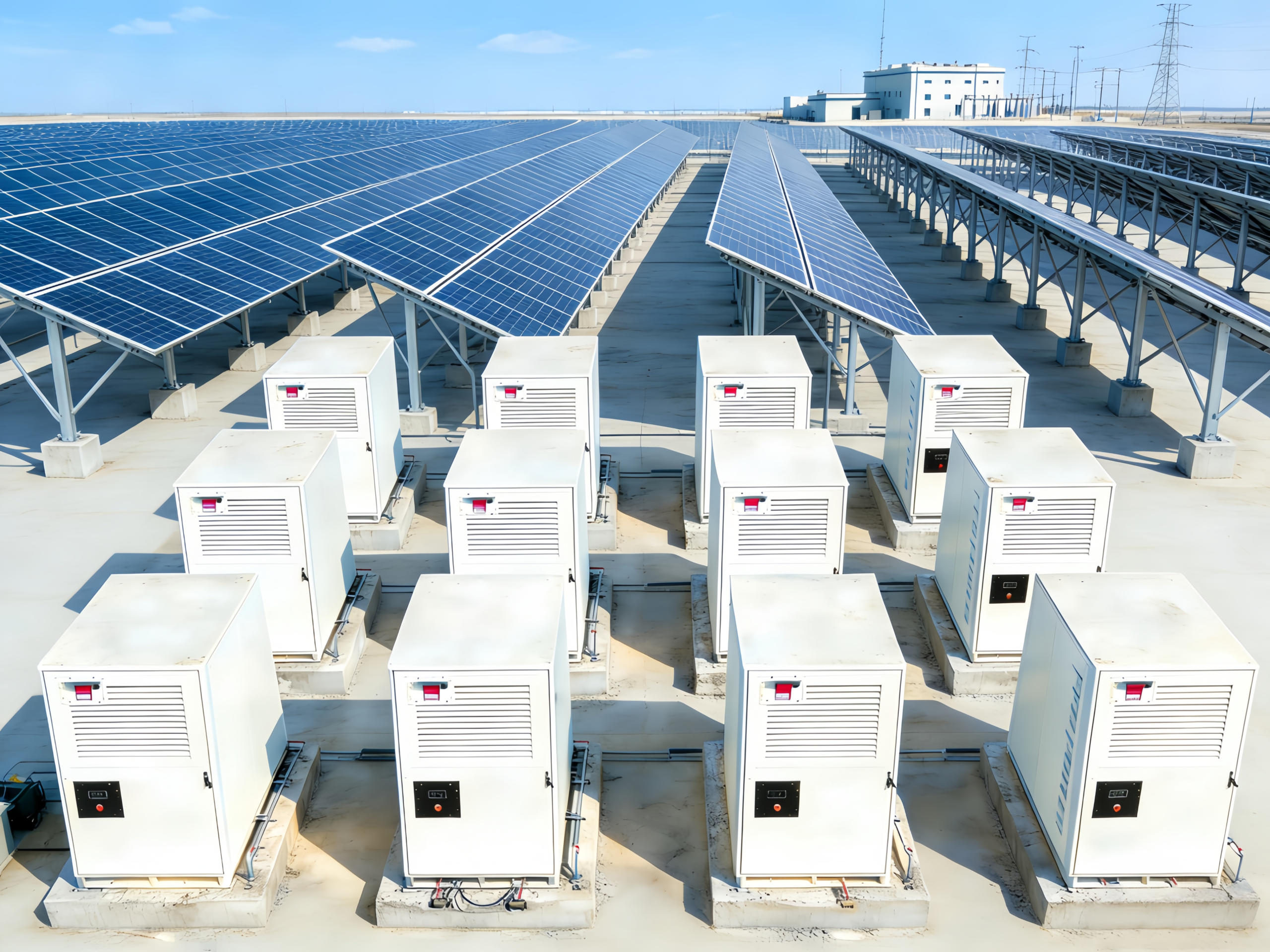
FFD POWER ESS solutions are designed for real-world C&I and distributed applications, including:

Uncategorized

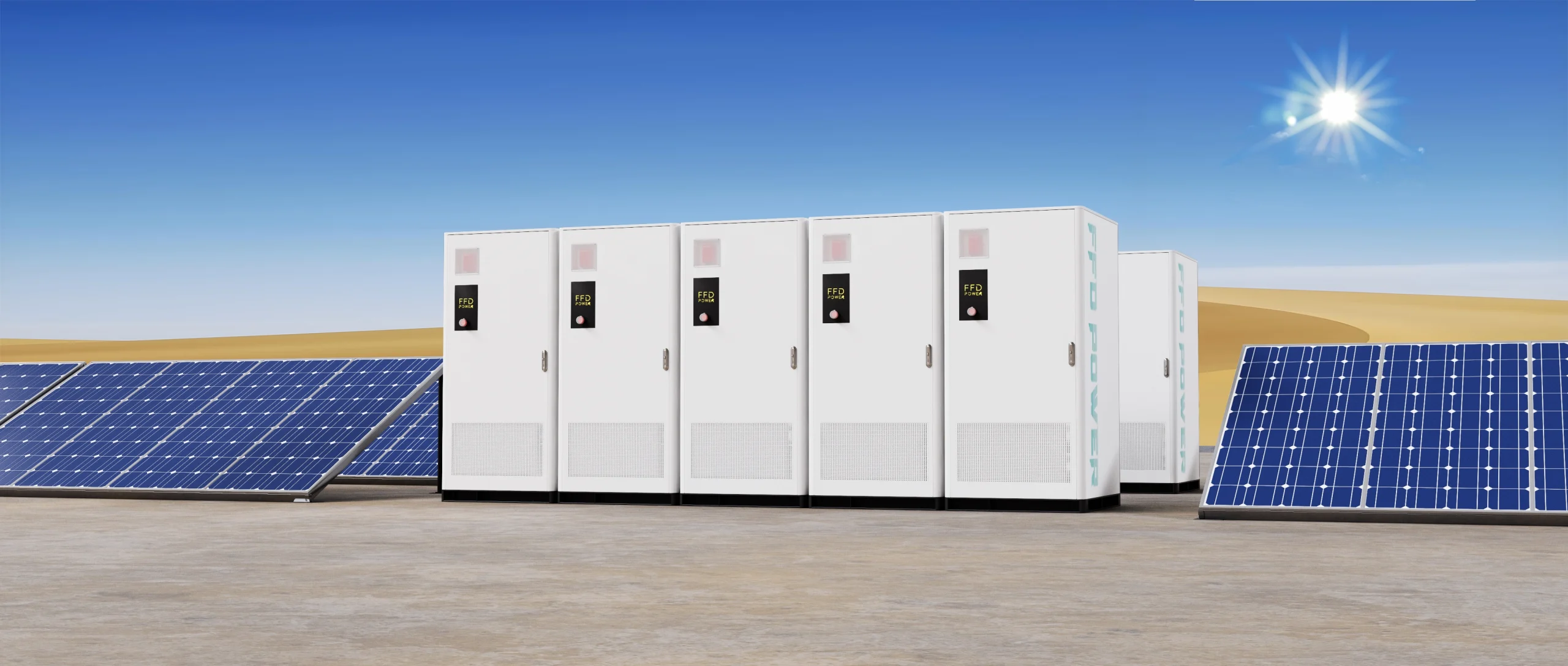
DAY-AHEAD ARBITRAGE

Day-Ahead Market Arbitrage Day-Ahead Market Arbitrage is a revenue-generating strategy in the electricity market that capitalizes on price volatility by buying low and selling high on a day-ahead basis. It leverages sophisticated algorithms for market analysis and price forecasting, enabling participants to lock in profitable spreads and maximize returns. EV
Read More
Uncategorized

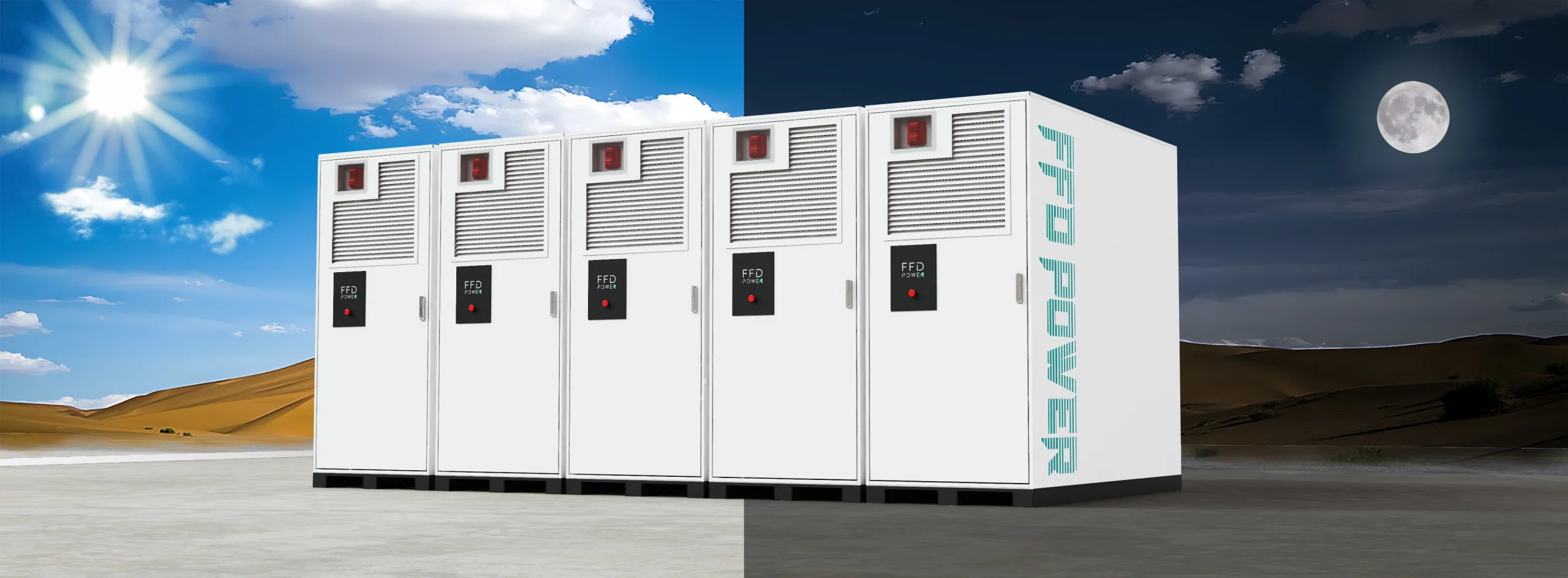
PV SELF-CONSUMPTION

PV Self-Consumption PV Self-Consumption is the practice of maximizing on-site use of PV-generated energy without exporting excess electricity to the grid. In many regions, such export is restricted by regulation, compensated at a significantly lower rate than grid imports, or even penalized—making intelligent self-consumption strategies essential. EV Charging Station PV
Read More
Uncategorized

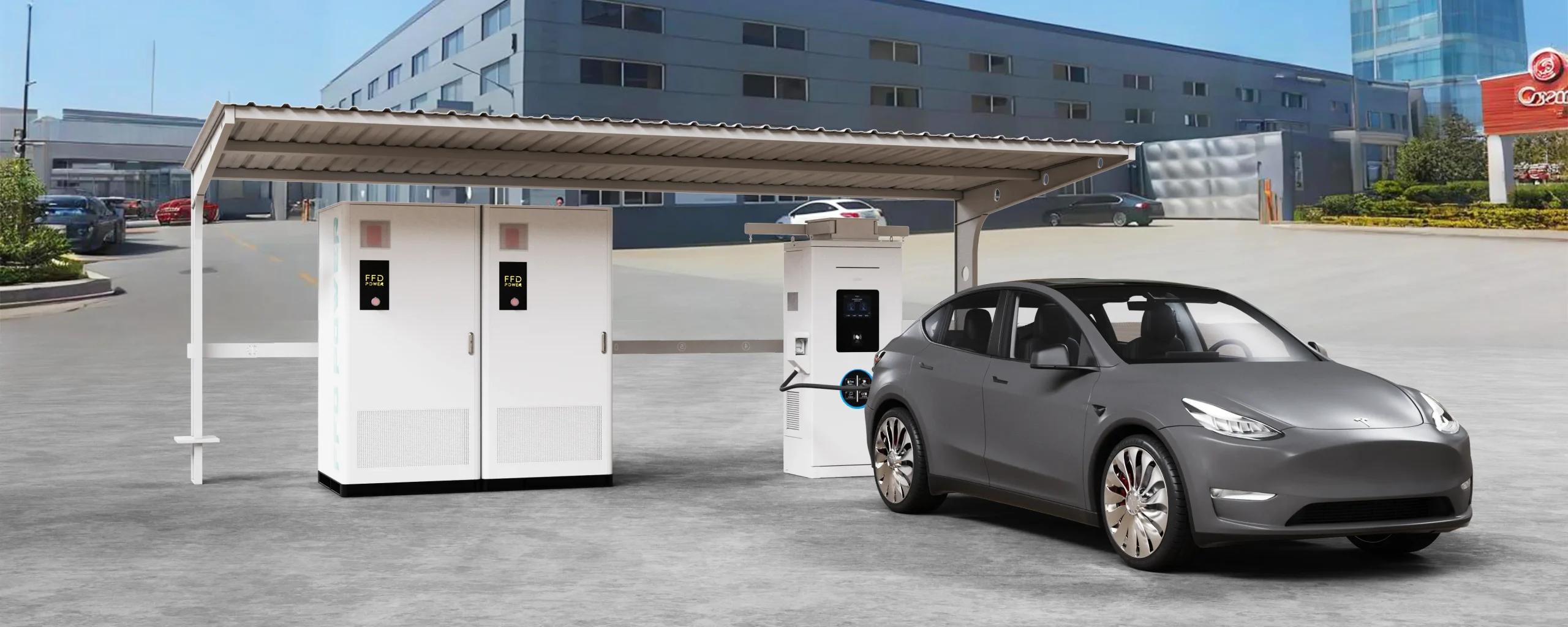
PV POWER ARBITRAGE

PV Power Arbitrage PV Power Arbitrage allows PV plant operators to avoid selling generated energy immediately at disadvantageously low or even negative market prices. By leveraging BESS technology, excess solar energy is stored during low-price periods and later sold during high-price periods—often at night—maximizing revenue and improving overall project economics.
Read More
Uncategorized

EV CHARGING STATION

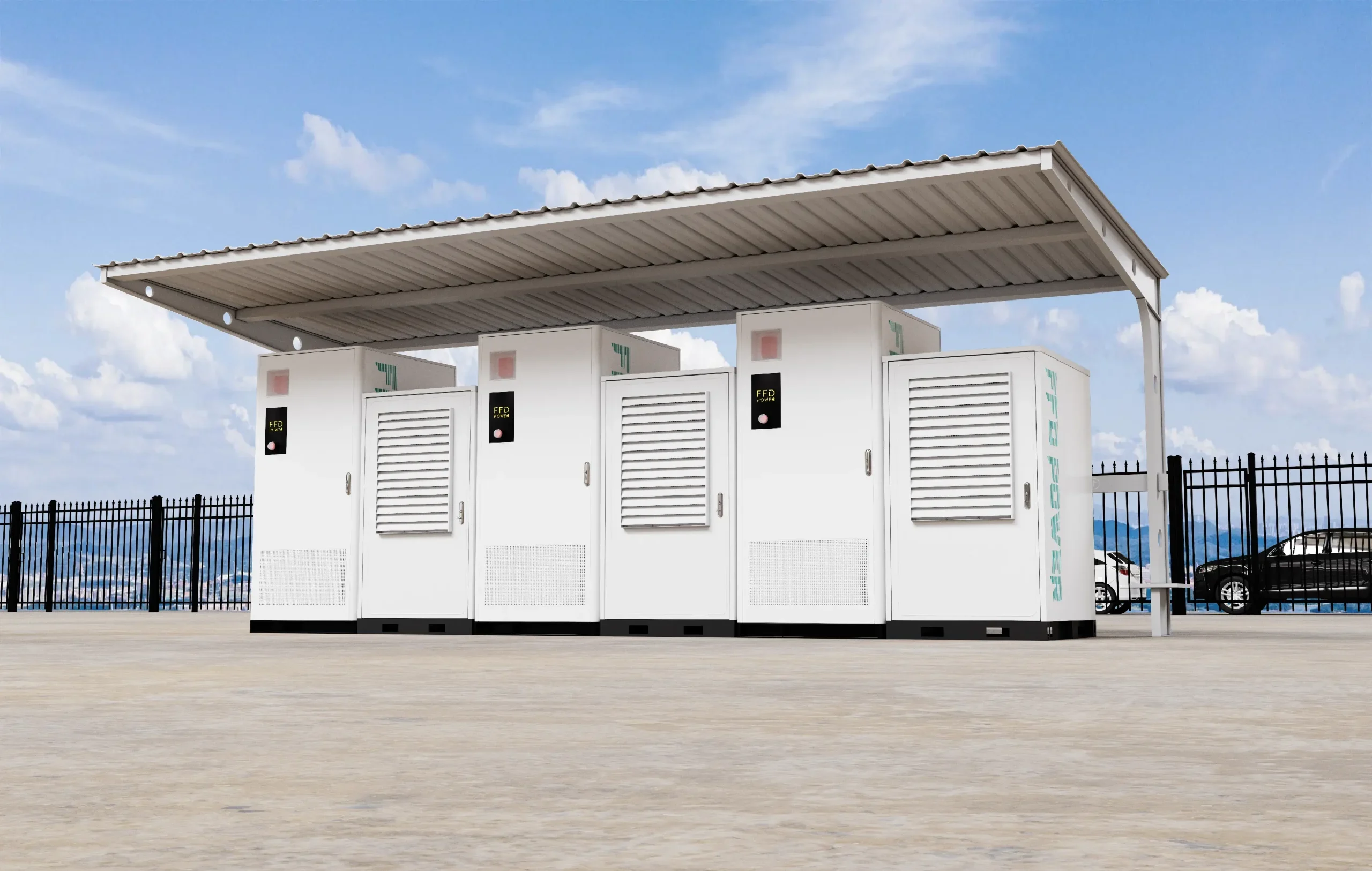
EV EV charging station is essentially a power bank for the growing fleet of electric vehicles, with increasing demand for higher charging power. This surge often strains station electrical infrastructure and can exceed transformer capacity limits. BESS is the ideal partner for fast chargers, providing power boosts during peak demand
Read More
Uncategorized

ONLINE UPS FUNCTION

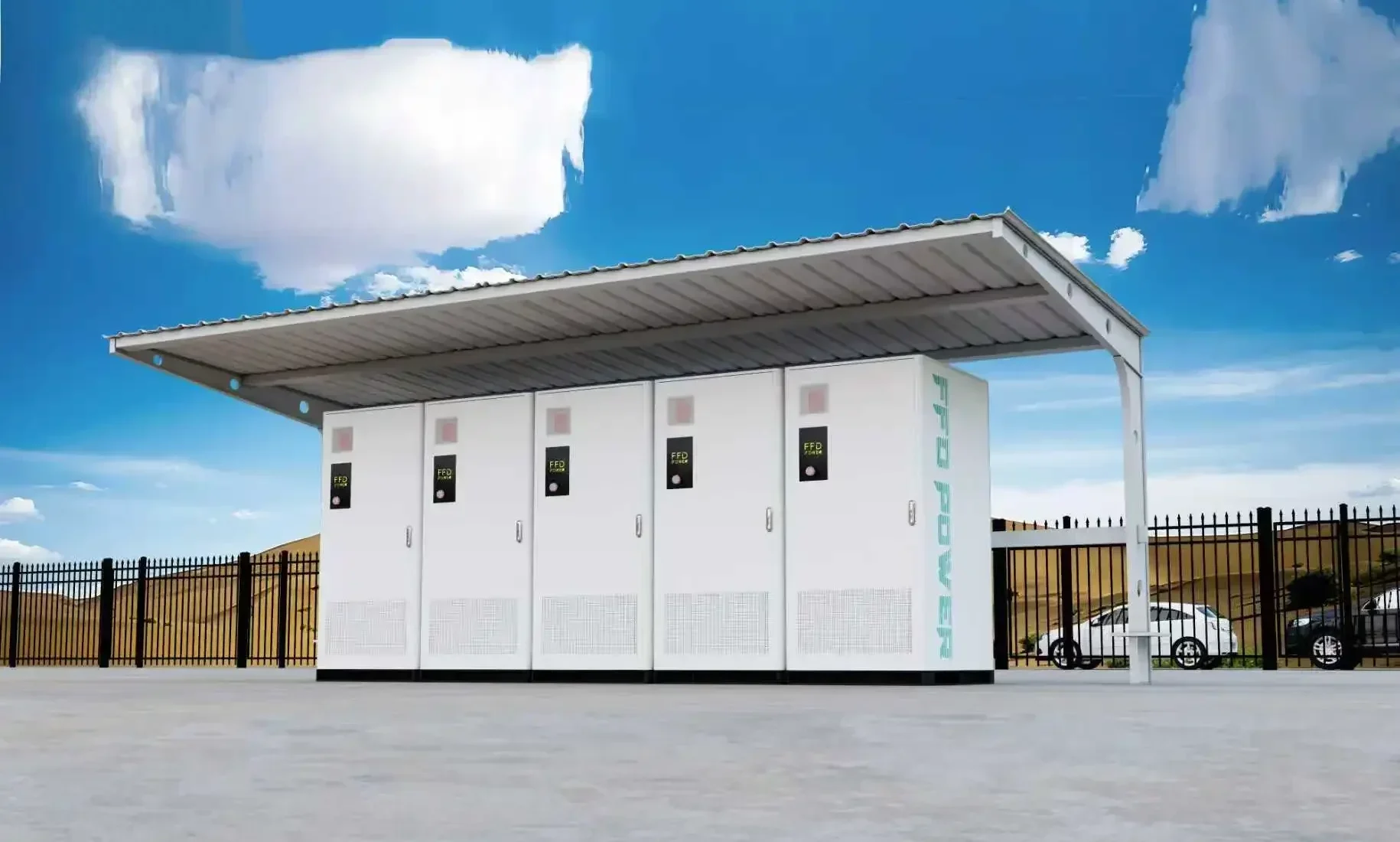
Bidirectional UPS Bidirectional UPS is critical for protecting sensitive and high-value loads such as data centers, medical equipment, and industrial systems with embedded PLC control. By continuously supplying clean power to the load—whether or not the external power feed is available—an online UPS isolates the load from grid outages, voltage
Read More
Uncategorized

INDUSTRY ENERGY ARBITRAGE

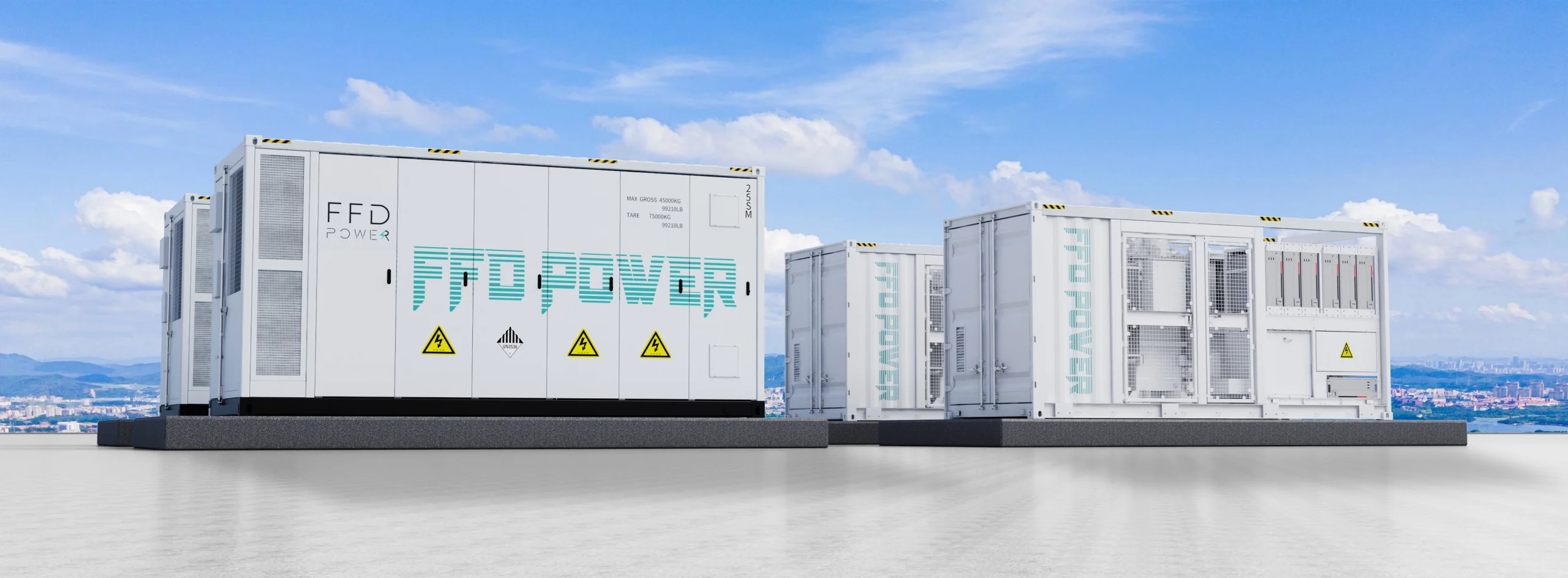
Industry Energy Industry Energy Arbitrage is a proven strategy to reduce energy costs by leveraging time-of-use electricity pricing. A BESS stores energy during low-tariff periods and discharges it during high-tariff hours, enabling industries to shift load demand, cut costs, and reduce their carbon footprint. EV Charging Station PV Arbitrage Microgrid
Read More
Uncategorized

GRID BALANCING(FCR, aFRR)

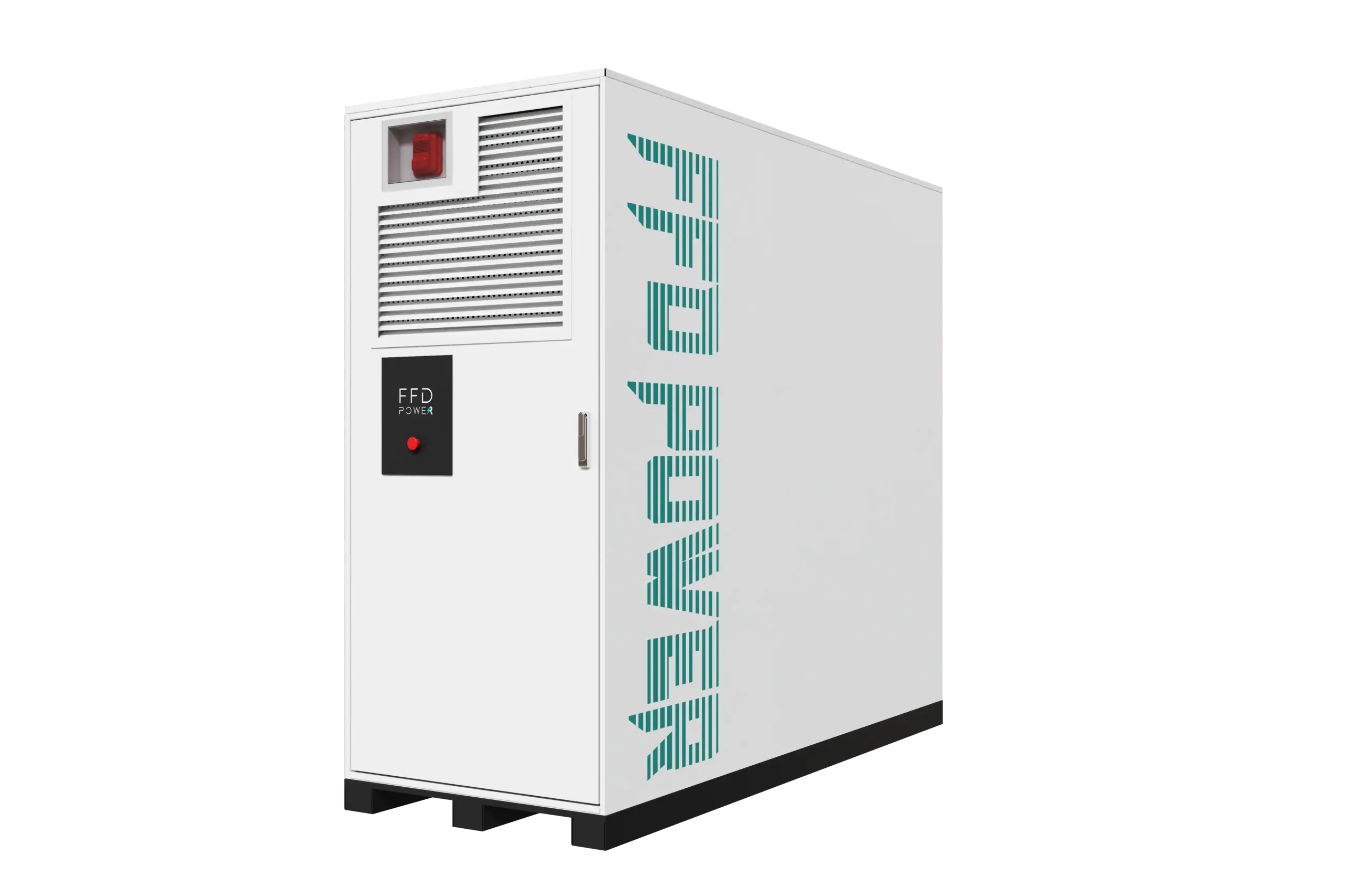
Grid Balancing FCR is an essential service in the power grid designed to maintain system stability by automatically responding to frequency deviations. It acts as the first line of defense when the balance between electricity supply and demand is disturbed, such as during a sudden loss of power generation or
Read More

FAQs

An ENERGY STORAGE SYSTEM stores energy and releases it when needed. In battery ESS, it typically includes batteries, PCS, BMS, EMS, thermal management, safety systems, and integration interfaces to operate safely and economically.

No. Cells are just one part. Long-term performance depends more on system architecture, thermal control, electrical protection, commissioning quality, compliance readiness, and O&M capability.

Because ROI and stability depend on control intelligence (EMS), fault isolation strategy, thermal uniformity, and serviceability—not only energy capacity.

Yes, if the architecture supports parallel scaling and EMS coordination for multi-cabinet operation.

Transformer or grid limit (kW), peak/valley tariff windows, total load power (kW), load operating schedule, PV capacity/export limits (if any), and target application (peak shaving, arbitrage, microgrid, EV charging, backup).