News
Energy Storage Financing and Commercialization: CAPEX vs OPEX Models
- October 17, 2025
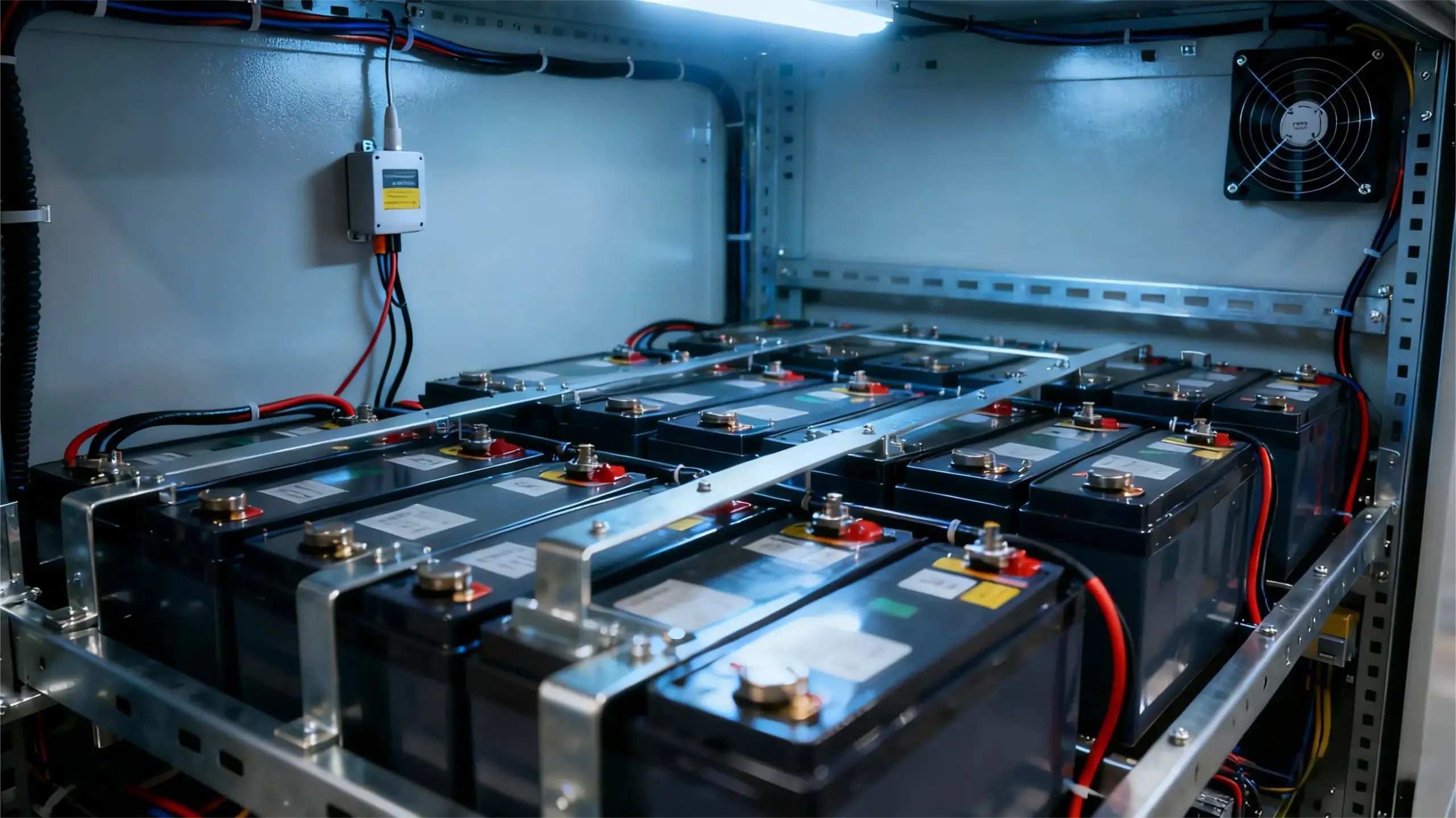
As energy storage systems (ESS) become central to the transition toward clean and resilient power, financing models are evolving just as rapidly as the technology itself.
Understanding the differences between CAPEX and OPEX models — and how they affect project economics — is crucial for investors, developers, and energy users alike.
This article explores how these two financing models shape the commercialization path of energy storage and which approach might fit different types of customers and projects.
Understanding Energy Storage Financing
Deploying an energy storage system involves not only technical design but also a clear financial strategy.
A well-structured financing model determines:
Who owns the system
Who operates and maintains it
Who benefits from the energy savings or revenues
In essence, it defines how the value of stored energy is captured and distributed among stakeholders.
The CAPEX Model: Ownership and Long-Term Value
CAPEX (Capital Expenditure) refers to the upfront investment model, where the customer purchases and owns the energy storage system.
Key characteristics:
The user pays the total system cost (hardware, installation, commissioning) upfront.
The asset is owned by the customer, who benefits from all savings and performance gains.
Maintenance and operation costs are the customer’s responsibility.
Advantages of the CAPEX model:
💰 Full ownership: All long-term benefits — energy savings, peak shaving, and grid services — belong to the owner.
📈 Higher return on investment (ROI): Especially attractive when local electricity tariffs are high or incentives are available.
⚙️ Operational flexibility: Users have complete control over system strategy and upgrades.
Challenges:
High initial capital requirement.
Requires technical expertise for operation and maintenance.
The CAPEX approach is ideal for industrial users, factories, and commercial buildings seeking maximum long-term value and control over their energy assets.
The OPEX Model: Energy-as-a-Service (EaaS)
OPEX (Operational Expenditure), also known as Energy-as-a-Service (EaaS), is a model where the user does not purchase the storage system, but pays for the energy services it provides.
Key characteristics:
The system is financed, installed, and operated by a third party (such as an energy service company).
The user pays a monthly fee or performance-based rate instead of making a large upfront investment.
Ownership and performance risk remain with the service provider.
Advantages of the OPEX model:
🚀 No upfront cost: Removes financial barriers for energy users.
🔧 Professional operation: The provider ensures optimal performance and maintenance.
⚡ Performance-based efficiency: Payments are linked to actual energy savings or availability.
Challenges:
The user does not own the asset.
Long-term contractual commitments may apply.
The OPEX model is best suited for businesses seeking immediate energy savings without capital expenditure, or those focused on operational simplicity and risk avoidance.
CAPEX vs OPEX: Key Differences at a Glance
While both CAPEX and OPEX models are designed to make energy storage more accessible and financially viable, they represent two fundamentally different approaches to investment and ownership.
In a CAPEX model, the customer purchases and owns the energy storage system outright.
This means they pay the full cost upfront, take full control of the operation, and enjoy all the financial benefits over the system’s lifetime — such as lower electricity bills, peak shaving savings, and revenue from grid services.
However, this model also requires significant capital and technical expertise for operation and maintenance.
In contrast, the OPEX model, often known as Energy-as-a-Service (EaaS), shifts both ownership and performance risk to a third-party provider.
Instead of purchasing the system, the customer pays a recurring fee for the energy services delivered — similar to a subscription model.
This eliminates upfront capital requirements and ensures professional operation and maintenance, but it also limits the user’s control over system strategy and long-term financial gains.
In simple terms:
CAPEX prioritizes ownership, long-term ROI, and independence.
OPEX prioritizes flexibility, zero upfront cost, and convenience.
Choosing between the two depends on each customer’s financial position, energy goals, and willingness to manage long-term operations.
Many large industrial users prefer CAPEX for maximum returns, while small and medium enterprises often choose OPEX to access advanced energy storage without heavy capital investment.
Hybrid and Emerging Financing Models
The line between CAPEX and OPEX models is increasingly blurring as hybrid models emerge, combining flexibility and performance-based rewards.
Examples include:
Shared Savings Agreements: Provider and customer split the achieved cost savings.
Power Purchase Agreements (PPA) with Storage: The provider owns the system and sells electricity or capacity at a fixed price.
Leasing Models: The customer pays a periodic rental fee with an option to purchase later.
These innovative structures enable broader market adoption, making storage projects accessible to both large corporations and smaller enterprises.
FFDPOWER’s Approach: Flexible Financing for Real-World Projects
At FFDPOWER, we understand that every project has unique technical and financial needs.
Our financing ecosystem supports both CAPEX and OPEX pathways, allowing customers to:
Choose between ownership and service-based models.
Achieve faster payback through energy arbitrage, peak shaving, and renewable integration.
Rely on AI-driven Energy Management Systems (EMS) for performance optimization and predictive analytics.
From industrial energy storage to community microgrids, FFDPOWER provides transparent, data-driven financial solutions that turn clean energy goals into profitable reality.
The Future of Energy Storage Commercialization
As battery costs continue to fall and markets mature, financing innovation will be the next major driver for energy storage adoption.
Whether through CAPEX ownership or OPEX service models, the ultimate goal remains the same:
to accelerate the global transition toward smarter, cleaner, and more resilient energy systems.