Enabling Full-Load Operation Under Grid Limits in the Netherlands
Project Overview
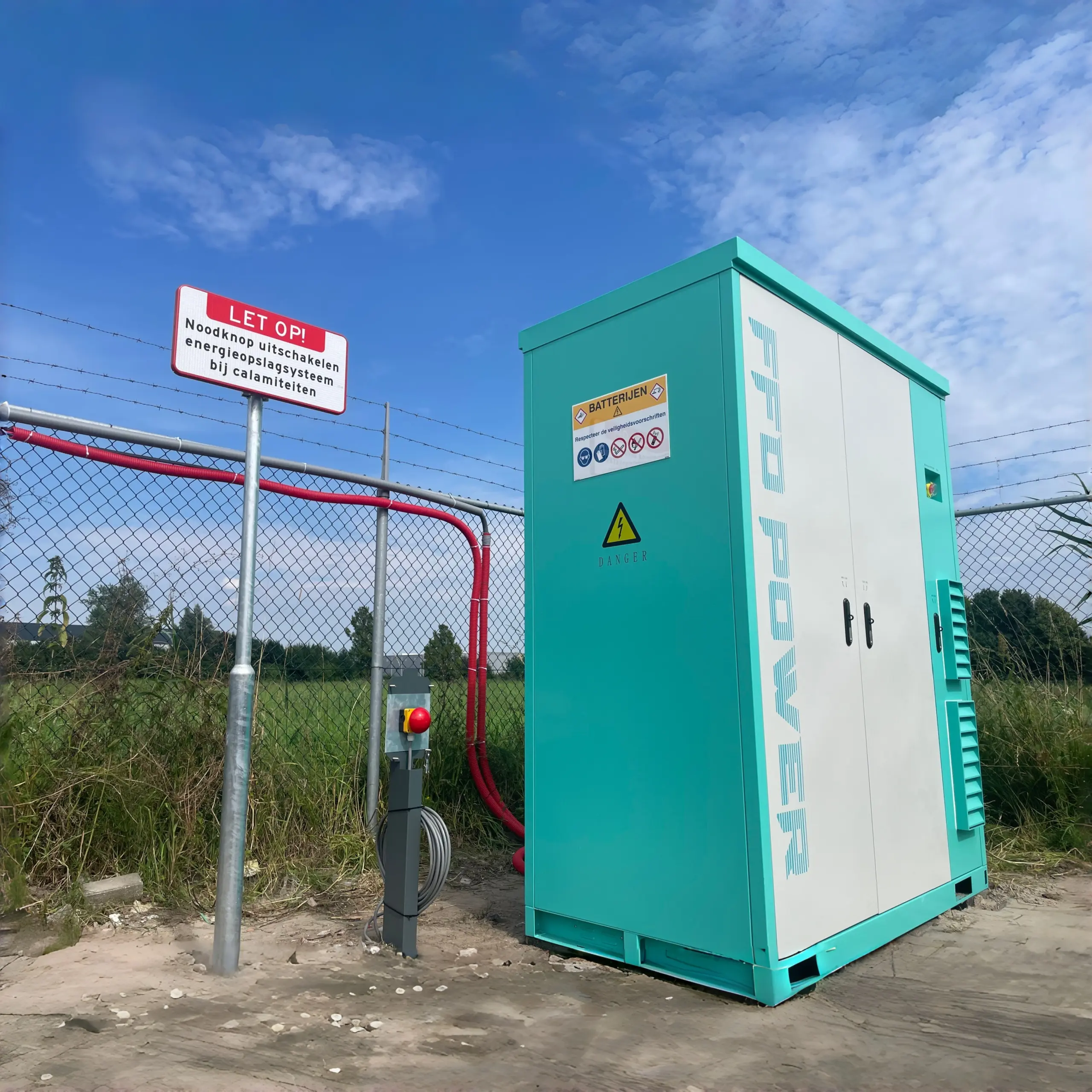
In response to rising electrification demand in the Netherlands, many industrial sites face contracted grid limits and legacy electrical infrastructure that cannot be upgraded quickly. This project demonstrates how a 100kW/215kWh BESS can provide capacity relief for an industrial facility in the Netherlands, bridging the gap between the utility-approved connection capacity and the site’s full-load operating demand. By allowing the PCS and the grid to supply the loads in parallel and prioritizing on-site PV for self-consumption and battery charging, the solution enables the factory to run all equipment while minimizing grid import and avoiding costly grid upgrades.
Project Background
In the Netherlands, many industrial sites face strict limits on contracted grid capacity. When production expands or more equipment is commissioned, the facility’s total load can exceed the utility-approved connection power. Upgrading the grid connection may require long lead times and additional costs. In this project, the customer also had on-site PV and wanted to maximize self-consumption while keeping grid import as low as possible.
Project Challenge
- Grid Capacity Limit: The facility’s total load exceeded the utility-approved connection capacity.
- Operational Constraint: Without capacity relief, not all loads could be operated simultaneously
- PV Utilization Goal: Existing PV should serve loads first, charge the battery with surplus energy, and reduce grid import.
FFD POWER Solution
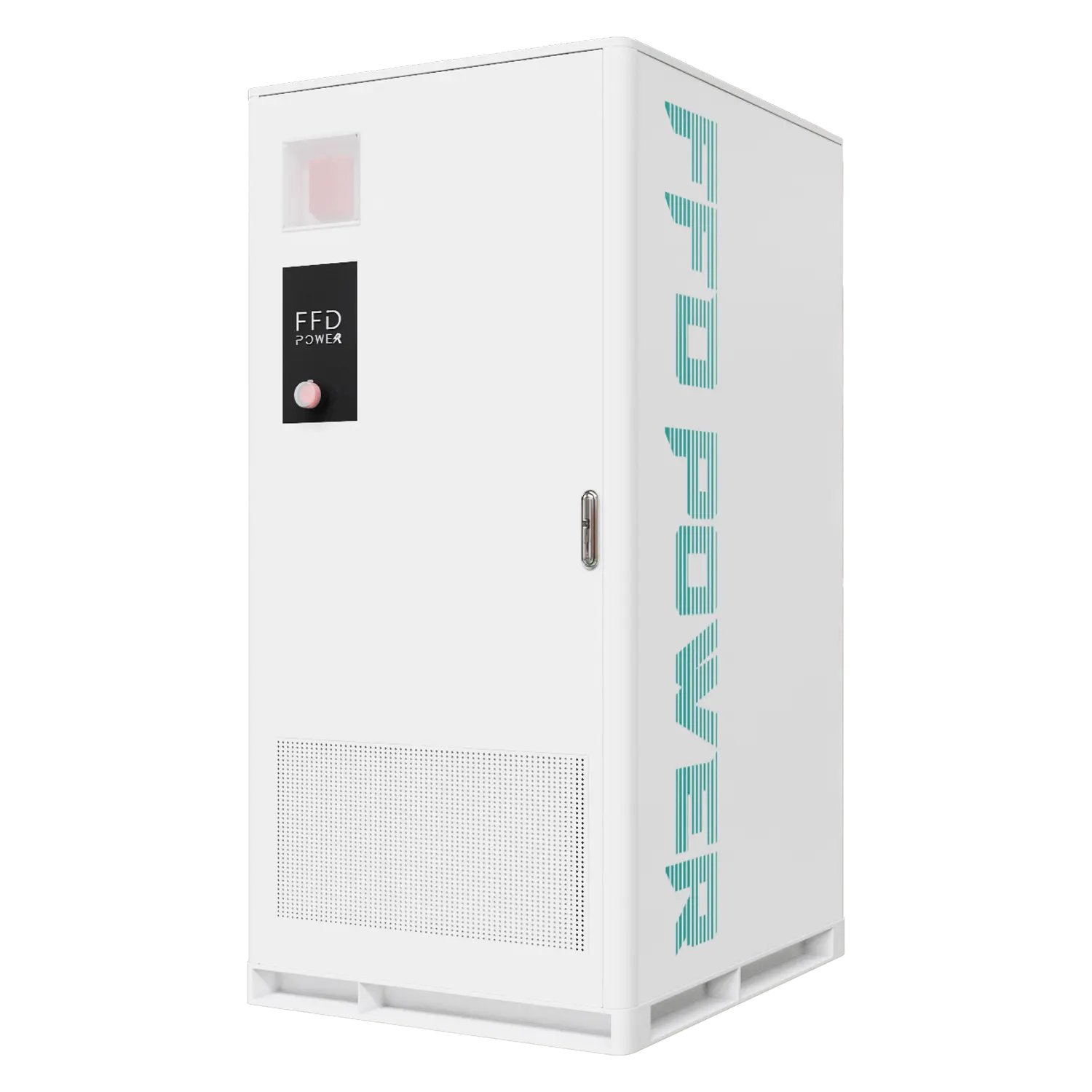
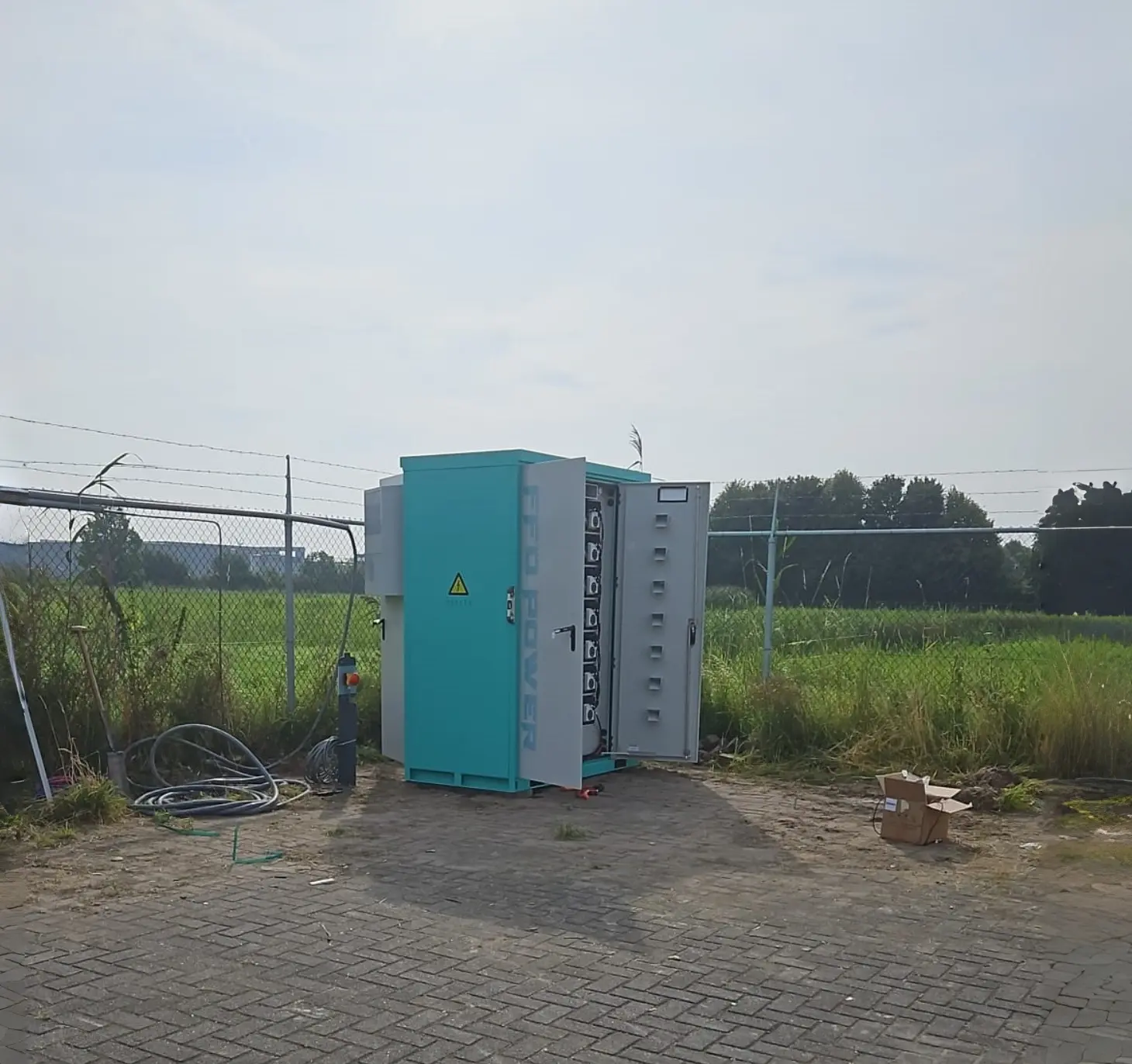
FFD POWER deployed a behind-the-meter BESS with PCS and EMS control to deliver capacity relief. During high-demand periods, the PCS discharges the battery to support the site loads while the grid continues to supply within the contracted limit. When on-site PV generation is available, PV is prioritized to supply the load; surplus PV charges the BESS under EMS power limits. This coordinated control allows full-load operation, reduces peak grid import, and defers or avoids a grid connection upgrade.
System Specifications
- PV installed : Existing on-site PV
- BESS POWER : 100 KW
- BESS Capacity : 215 KWH
- Product used : Galaxy 215 all-in-one BESS (industrial-ready)
- Architecture: Behind-the-Meter Capacity Relief with Grid + PCS Parallel Supply and PV Priority
Operational Logic: Capacity Relief Behind the Meter
The EMS prioritizes self-consumption and enforces the site’s grid import constraints:
- PV Priority: On-site PV supplies facility loads first. Any surplus PV is directed to charge the BESS, maximizing solar self-consumption.
- Capacity Relief (Peak Support): When the facility demand exceeds the utility-approved connection capacity, the PCS discharges the BESS so the grid and PCS can supply the load in parallel, enabling full-load operation without a grid upgrade.
- Grid Import Limiting: EMS maintains grid draw within the contracted limit by dynamically coordinating battery power, thereby reducing peak import and improving operating flexibility.