
News
EMS Three-Layer Architecture: Device Layer, Control Layer, and Cloud Platform Layer
- November 21, 2025
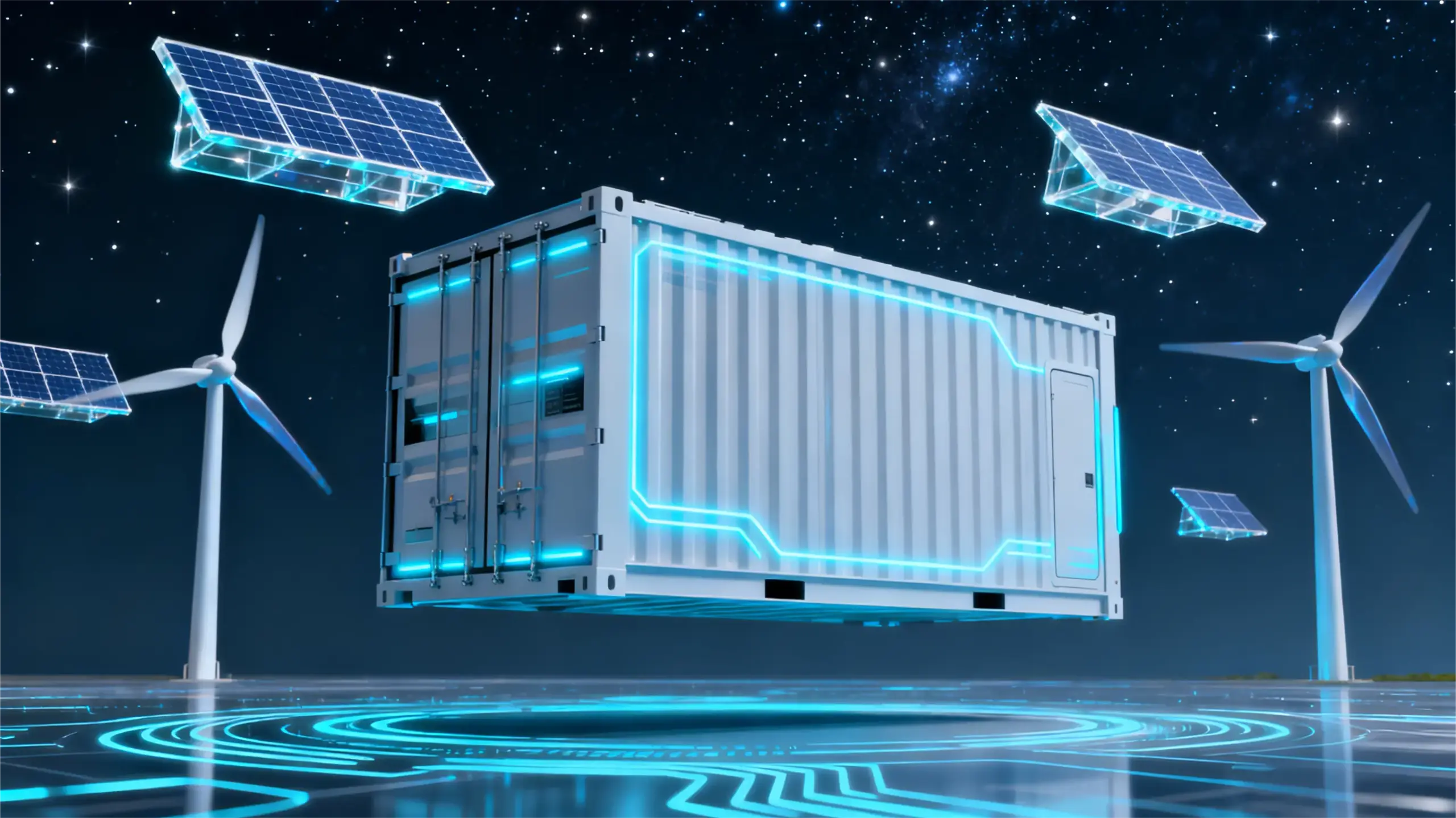
A modern Energy Management System (EMS) is the “central brain” of solar-plus-storage and microgrid applications. To ensure safe, efficient, and intelligent energy operation, a well-designed EMS typically follows a three-layer architecture:
Device Layer
Control Layer
Cloud Platform Layer
Each layer plays a critical role in data acquisition, real-time control, optimization, and long-term system intelligence. This article explains the three layers in detail and how they work together to maximize system performance, reliability, and value.
Device Layer: The Foundation of Real-Time Energy Data
The Device Layer is the bottom layer of the EMS architecture. It includes all physical equipment that generates, stores, or consumes electricity, as well as sensors and communication interfaces.
Key Components of the Device Layer
Solar PV inverters
Battery energy storage systems (BESS)
Power Conversion System (PCS)
Smart meters and sensors
EV chargers
Diesel generators or other backup sources
Load controllers and protection devices
Functions of the Device Layer
Real-time data collection (voltage, current, temperature, SOC, SOH, power flows)
Status reporting for each device
Execution of basic protection commands
Communication with the control layer via standard protocols (Modbus, CAN, RS485, TCP/IP, etc.)
Why It Matters
The EMS can only make correct decisions if the data from the device layer is accurate, stable, and reliable.
This is the “eyes and ears” of an energy system.
Control Layer: Real-Time Command and Decision Execution
The Control Layer is the core intelligence that manages real-time power flow, safety, and system stability. It connects directly to devices and sends operational commands based on preset strategies.
Key Components of the Control Layer
Local EMS controllers
BMS (Battery Management System)
PCS controllers
Microgrid controllers (if applicable)
Functions of the Control Layer
Real-time control of power output, charge/discharge, and grid interaction
Safety and protection mechanisms, including thermal management and fault response
Optimization algorithms for power dispatch
Grid mode switching (on-grid, off-grid, hybrid)
Local energy scheduling according to tariff, load, and generation
Examples of Real-Time Control
Charge batteries during valley-price periods
Discharge during peak-price periods
Smooth PV fluctuations
Maintain stable power quality
Provide backup power during grid outages
Why It Matters
This layer ensures the system is stable, safe, and responsive.
It transforms data into real-world action, functioning as the “brainstem” of the energy system.
Cloud Platform Layer: Data Intelligence and Advanced Optimization
The Cloud Platform Layer is the top intelligence layer of the EMS architecture. It focuses on big data analytics, long-term optimization, visualization, and remote operations.
Key Components of the Cloud Platform Layer
Cloud EMS platform
Data analytics engine
AI models
User dashboards (web/mobile)
Remote management system
Functions of the Cloud Platform Layer
Fleet-level monitoring of multiple sites
Long-term performance analytics
AI-driven predictions (load, PV production, pricing)
Predictive maintenance
User management and system configuration
Automated reporting for energy savings and ROI
Why It Matters
The cloud layer enables systems to become smarter over time, providing visibility and optimization that are impossible at the local level.
It is the “superintelligent brain” of the EMS.
How the Three Layers Work Together
The EMS three-layer architecture creates a complete closed loop:
Device Layer
→ Collects real-time data from all equipmentControl Layer
→ Executes commands, stabilizes the system, and optimizes local power flowCloud Platform Layer
→ Analyzes big data, learns patterns, and sends optimization strategies back to the control layer
This structure ensures:
Higher system efficiency
Improved safety and reliability
Better energy savings and economic returns
Smarter long-term operation through AI and cloud analytics
Conclusion
The three-layer EMS architecture—Device Layer, Control Layer, and Cloud Platform Layer—is essential for achieving safe, smart, and efficient energy management.
For commercial, industrial, and microgrid applications, this architecture enables real-time control, intelligent optimization, and long-term performance growth.
A powerful EMS is not just a monitoring tool; it is the central intelligence that unlocks the full potential of solar PV, energy storage, and distributed energy systems.