
News
DC-Coupled vs AC-Coupled Solar + Storage: Energy Flow and Efficiency Core Comparison
- October 27, 2025
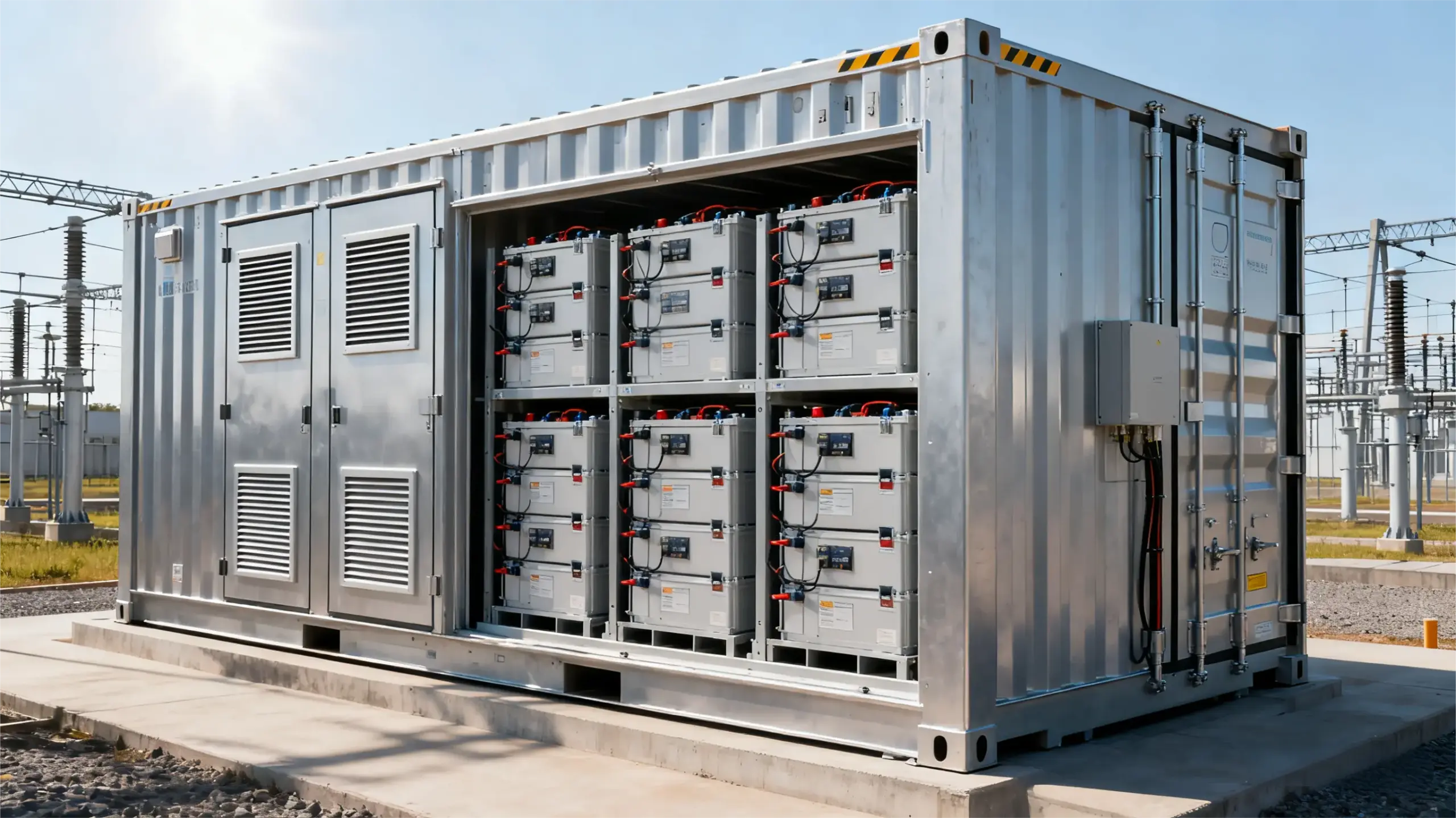
As commercial and industrial solar-plus-storage (PV+ESS) adoption accelerates, one key question appears in almost every project design discussion: Should the system be DC-coupled or AC-coupled? Both architectures can deliver reliable renewable energy, but their energy flow, efficiency, system cost, and EMS coordination logic are fundamentally different. For asset owners and EPCs, understanding these differences is critical to maximizing energy yield, reducing losses, and achieving the best ROI.
This article explains the two architectures from five perspectives: energy flow, system architecture, efficiency mechanisms, EMS control, and application scenarios, helping you choose the right PV+ESS structure for your project.
Energy Flow: The Root Difference
In a DC-coupled solar storage system, solar power flows from the PV array to the DC bus and then directly into the battery. Energy is only inverted once when it is delivered from the battery through the PCS to the AC load or grid. This single conversion path reduces cumulative losses, improves round-trip efficiency (RTE), and maximizes usable energy.
In an AC-coupled solar storage system, solar power is first converted from DC to AC by the PV inverter. If the energy is later stored in the battery, it must be rectified back to DC by the PCS to charge the battery and then inverted again to AC before reaching the load or grid. This additional conversion increases energy losses, lowering overall RTE.
The difference in energy flow paths is the core reason DC-coupled systems generally achieve higher efficiency and energy utilization.
System Architecture Overview
DC-Coupled PV+ESS
PV arrays and batteries share the same DC bus.
PCS synchronizes the DC bus to the AC grid.
PV energy can charge the battery before inversion, maximizing solar self-consumption.
This architecture is streamlined, efficient, and ideal for new-build projects focused on long-term profitability.
AC-Coupled PV+ESS
PV inverters and battery inverters operate independently.
Flexible for retrofits or microgrids with multiple feeders.
Allows battery storage to be added without redesigning the existing PV system.
Provides high operational flexibility but includes extra energy conversion steps, which reduces RTE.
Efficiency Core: Why DC Often Wins
DC-coupled systems eliminate multiple DC-AC-DC conversions, typically delivering 2%–6% higher usable energy under solar-charging scenarios. Fewer conversions mean lower heat loss, higher battery charge efficiency, and more kWh available for consumption or sale.
In AC-coupled systems, extra conversion steps—PV inverter DC→AC, then PCS AC→DC for battery, then DC→AC for load—cumulatively reduce energy output, lowering revenue potential.
Key logic comparison (verbalized instead of table):
DC-Coupled: One conversion to battery, one to load → higher RTE
AC-Coupled: Two to three conversions from PV to battery to load → lower RTE
In commercial energy arbitrage or self-consumption projects, this difference directly impacts profitability.
Advantages of DC vs AC Coupling
DC-Coupled Advantages:
Highest efficiency for solar-charging scenarios
Maximized PV utilization
Greater round-trip efficiency and lower energy loss
Ideal for new builds and projects prioritizing ROI
AC-Coupled Advantages:
Best for retrofitting existing PV systems
Greater flexibility for microgrids or multi-feeder loads
Independent PV and battery control
Faster deployment in brownfield scenarios
EMS: Unlocking Full System Value
Hardware sets the foundation, but EMS determines actual performance.
In DC-coupled systems, the EMS controls PV, battery, and PCS as a unified path. This enables:
Smarter PV-to-battery energy routing
Higher solar capture rate
Optimized charge/discharge cycles
Reduced round-trip loss
In AC-coupled systems, the EMS coordinates multiple inverters. Flexibility is high, but control complexity increases.
FFD POWER EMS provides a clear advantage in both cases by continuously analyzing load, PV output, electricity tariffs, and conversion paths, ensuring energy always flows through the most efficient and profitable route.
Application Recommendations
New PV+ESS deployment: DC-coupled is recommended for efficiency-driven projects.
Maximizing solar self-consumption: DC-coupled provides the best energy utilization.
Brownfield / retrofit PV: AC-coupled offers easier integration with existing inverters.
Multi-feeder microgrid: AC-coupled allows independent control for complex distribution.
Maximizing long-term ROI: DC-coupled delivers higher cumulative kWh and lower LCOS.
Future Trends
The industry trend favors DC-coupled systems for new-build PV+ESS, especially in commercial and industrial applications where efficiency and ROI are priorities. AC-coupled systems remain critical for retrofit projects and flexible microgrids, but the efficiency advantages of DC coupling are likely to grow as PCS and EMS technologies advance.
Conclusion
Both DC-coupled and AC-coupled solar-plus-storage architectures have their strengths. Choosing the right architecture requires evaluating energy flow, conversion losses, RTE, system complexity, and project goals. When maximizing solar utilization, efficiency, and ROI is the priority, DC-coupled systems paired with a high-performance EMS like FFD POWER EMS offer the clearest advantage.
Powered by FFD POWER EMS — ensuring every kilowatt-hour flows through the most efficient and profitable path.