News
Commercial and Industrial (C&I) Energy Storage Manufacturer / Supplier: A Practical Buyer’s Guide
- January 6, 2026
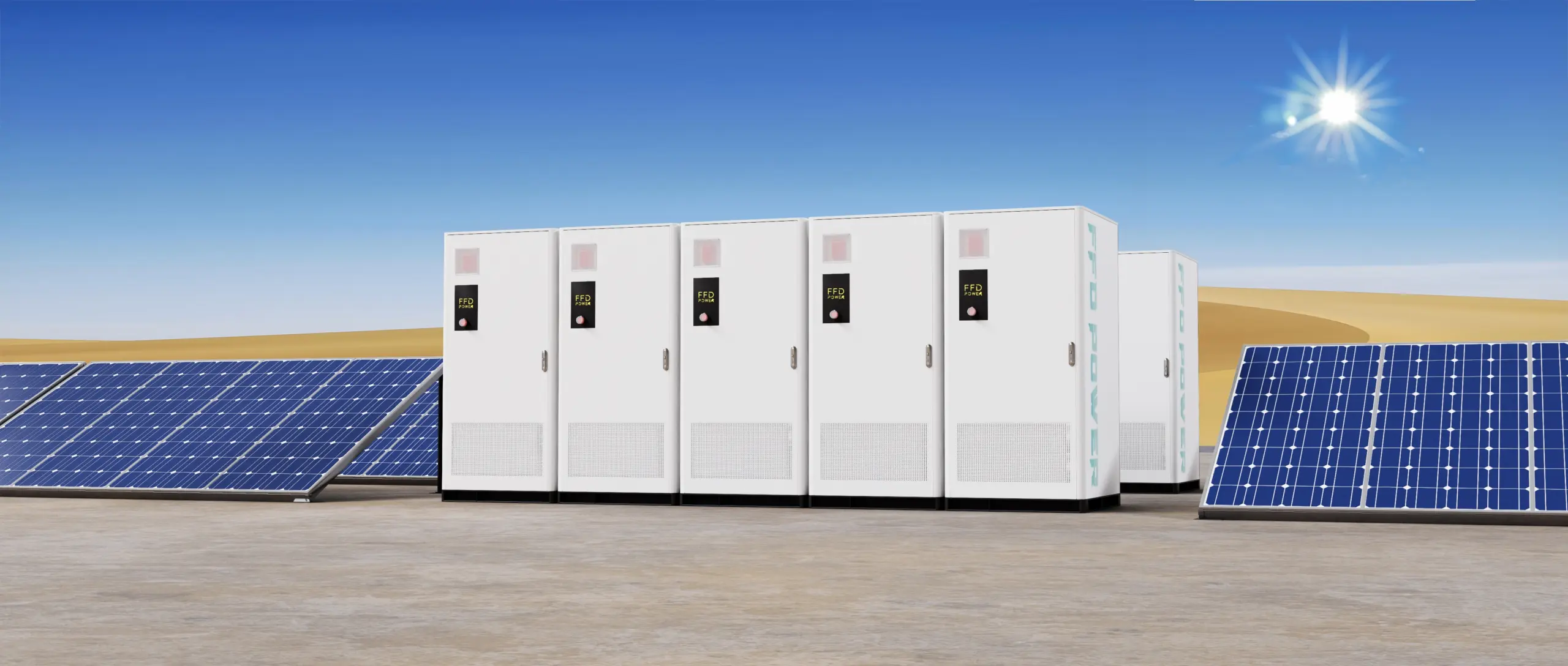
Commercial and industrial (C&I) energy storage is no longer a “nice-to-have” add-on to PV or backup power. It is becoming an operational tool for electricity cost control, resilience, and grid compliance. If you are looking for commercial and industrial energy storage manufacturers/suppliers, this guide explains what C&I storage is, how it works, what to look for in a supplier, and how to compare offers in a way that is easy for both engineers and procurement teams.
What is a Commercial and Industrial (C&I) Energy Storage System?
A C&I energy storage system is a battery-based power system designed for factories, warehouses, business parks, logistics hubs, data centers, and other non-residential facilities. It typically ranges from tens of kW to multi-MW, and from hundreds of kWh to multi-MWh.
Compared with residential storage, C&I storage prioritizes:
- Higher power and energy capacity to serve larger loads and longer operating hours
- Enhanced safety engineering and stricter compliance requirements for commercial/industrial sites
- More complex system integration with facility loads, PV, gensets, and grid interconnection at scale
- Clear financial and operational objectives, such as demand charge reduction (peak shaving), TOU arbitrage, and improved resilience for emergency backup and reliability
How C&I Energy Storage Works
A typical C&I storage system charges electricity when power is cheap or abundant, then discharges when power is expensive or when the site needs support.
Basic operating logic (simplified):
Charge from PV surplus, off-peak grid power, or genset (when appropriate).
Discharge to reduce peak demand, shift energy use to cheaper periods, or support critical loads during outages.
Control is coordinated by an EMS (Energy Management System) that optimizes cost, protects batteries, and ensures grid compliance.
Key Components in a C&I Energy Storage Solution
When evaluating a commercial and industrial energy storage manufacturer/supplier, confirm they provide (or clearly specify) the following components and interfaces:
Battery System
- Battery cells / modules / racks(LFP is commonly used for C&I applications due to strong thermal stability and long cycle life)
- Electrical interconnection and protection, including internal busbars, DC isolators, and fusing as applicable
- Thermal management, such as air cooling, liquid cooling, or hybrid solutions
BMS (Battery Management System)
- Cell and rack monitoring (voltage, temperature, current)
- Protection logic (OV/UV/OC/OT), balancing, SOC/SOH estimation
- Event logging and alarms for O&M traceability
PCS (Power Conversion System) or Hybrid Inverter
- Bidirectional inverter converting DC ↔AC
- Grid-tied functions (P/Q control, PF control, fast ramp)
- Protection functions required by local standards(EN 50549, VDE-AR-N, CEI etc.)
EMS / Controller
- Dispatch strategy (peak shaving, TOU, PV self-consumption, backup)
- Multi-source coordination (PV + battery + grid + genset)
- Communications and integration (Modbus TCP/RTU, IEC protocols when required)
Balance of Plant (BoP)
- AC combiner/LV switchgear, protection devices, metering
- Transformer (if MV interconnection required)
- Fire detection & suppression, E-stop, HVAC / cooling loop, ventilation
Typical Use Cases for C&I Energy Storage
Most projects fall into one or more of these categories:
Peak Shaving / Demand Charge Management
Reduce the site’s maximum kW demand by discharging during short high-load intervals.
TOU Arbitrage (Time-of-Use Shifting)
Charge during off-peak and discharge during peak tariff windows to reduce energy cost.
PV Self-Consumption and Curtailment Reduction
Store midday PV surplus and use it later, improving PV utilization and reducing export limitations.
Backup Power and Resilience
Support critical loads during outages, with either seamless transfer (UPS-style) or fast backup (seconds).
Hybrid Microgrid (PV + Battery + Genset)
Battery stabilizes PV variability and reduces genset runtime, improving fuel efficiency and reliability.
Grid Services (Where Allowed)
Frequency response, reactive power support, or export smoothing—subject to local market rules and interconnection requirements.
How to Choose a Commercial and Industrial Energy Storage Manufacturer / Supplier
This is where most buyers make costly mistakes: they compare only nameplate kW/kWh and price, while ignoring design boundaries, warranty assumptions, and operational constraints. Use the checklist below.
Verify “What Exactly Is Being Supplied?”
Ask whether the supplier is:
- A manufacturer(owns factory, builds battery systems/containers, controls QA)
- An integrator(procures components and integrates)
- A trader/reseller(mostly sourcing without engineering depth)
Minimum documentation you should request:
- Single-line diagram (SLD) and protection philosophy
- Datasheets: battery, PCS, EMS, transformer (if included)
- Communication architecture and supported protocols
- Layout drawing and maintenance access requirements
- Commissioning and acceptance test plan (FAT/SAT scope)
Safety and Compliance: Non-Negotiable
For C&I projects, the “real product” is safety engineering, not just batteries.
Ask the supplier to define:
- Fire detection and suppression method (and design standard reference)
- Thermal runaway mitigation strategy (segmentation, venting, spacing)
- Hazard analysis and emergency procedures
- Certifications available for your target market (system-level, not only cell-level)
- IP rating and environmental limits (temperature, humidity, altitude)
Performance That Actually Matters
Do not accept marketing numbers without boundary conditions.
Confirm:
- Usable energy definition (DoD, SOC window, temperature)
- Round-trip efficiency basis (at what power level and temperature?)
- Degradation assumptions (cycles/day, C-rate, ambient, SOC profile)
- Auxiliary consumption (cooling, HVAC, pumps) and impact on net kWh
EMS Capability: The Differentiator in Real Projects
For C&I, the EMS is often the difference between a “working battery” and a “profitable asset.”
Evaluate whether EMS supports:
- Demand limit control (kW cap) with meter feedback
- Tariff scheduling and holiday calendars
- PV forecasting / simple rule-based dispatch at minimum
- Genset coordination logic (minimum runtime, spinning reserve, load steps)
- Remote monitoring, alarms, event logs, and role-based access
Warranty and Serviceability
A good supplier makes warranty terms explicit and realistic.
Key points:
- Cycle warranty vs calendar warranty
- Guaranteed end-of-warranty energy retention (%)
- Warranty exclusions (high temperature, misuse, grid faults)
- Spare parts list and lead times (PCS boards, pumps, sensors, fuses)
- Local service coverage and response time commitments
RFQ Template: What to Include When Requesting a Quote
If you want comparable proposals from multiple commercial and industrial energy storage suppliers, your RFQ should include:
Site electrical: voltage level, transformer rating, short-circuit level (if available)
Load profile: peak kW, average kW, daily operating hours, critical load portion
Tariff: TOU periods, demand charges, export rules (if PV)
PV/genset: PV size, inverter type, genset ratings and fuel constraints
Operating objective: peak shaving cap, backup duration, PV self-consumption target
Installation conditions: ambient range, space, noise limits, distance to PCC
Interconnection requirements: local grid code, protection and metering requirements
Commercial terms: Incoterms, delivery schedule, warranty target, after-sales needs
Common Pitfalls When Buying C&I Energy Storage
Comparing only kWh price while ignoring usable energy, degradation, and auxiliaries
Under-specifying switchgear and protection, causing commissioning delays or safety risks
EMS treated as “basic monitoring” instead of dispatch control
No clear responsibility split between PV EPC, transformer supplier, and BESS supplier
Inadequate thermal design for hot/humid sites, leading to derating and faster degradation
Grid compliance left vague, resulting in rework after utility review
Summary
A commercial and industrial (C&I) energy storage system is a battery-based power solution for factories, warehouses, business parks, and other non-residential sites, typically from tens of kW to multi-MW and from hundreds of kWh to multi-MWh. A complete C&I solution includes battery modules/racks, BMS, bidirectional PCS inverter, EMS dispatch controller, protection and metering, safety systems such as fire detection and suppression, and transformer for step up or step down. Common applications include peak shaving (demand charge reduction), TOU arbitrage, PV self-consumption, backup power, and hybrid microgrids with PV and generators. When selecting a commercial and industrial energy storage manufacturer/supplier, buyers should evaluate safety and market compliance, usable energy definition, efficiency and degradation assumptions, EMS dispatch features, documentation depth (SLD, protection philosophy, comms), warranty terms, and local service capability.
What FFD POWER Can Offer?
We are a commercial and industrial energy storage manufacturer and supplier delivering turnkey (EPC-ready) C&I BESS solutions from 50 kW / 100 kWh up to tens of MWh. Our product portfolio covers integrated battery cabinets (with built-in PCS or external hybrid inverter) and fully integrated containerized systems including PCS + transformer (step-up) in one power station, available in 20-ft and 40-ft configurations.
What We Supply (At a Glance)
- Power range:50 kW to multi-MW
- Energy range:100 kWh to tens of MWh
- Form factors:battery cabinet (with PCS integrated or external), 20-ft/40-ft containerized BESS
- Delivery model:turnkey, factory-tested, commissioning-ready
C&I Energy Storage Solutions We Offer
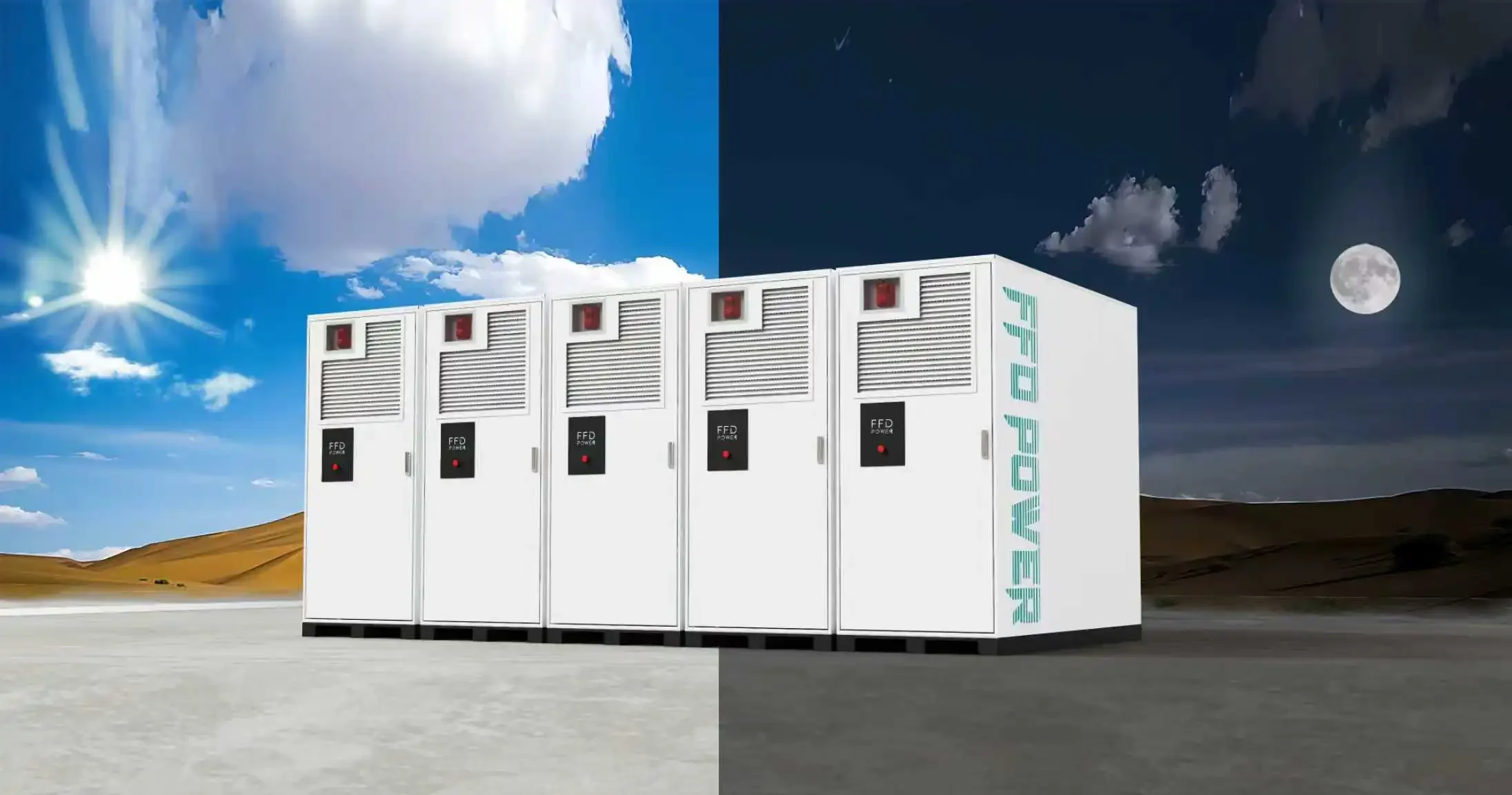
Option A: Integrated Battery Cabinet (Battery + PCS)
A compact solution for on-grid and hybrid applications where space and installation time are critical. The PCS is either built into the battery cabinet for modular expansion, or delivered as a separate integrated power cabinet that can incorporate MPPT modules, additional PCS modules, or an STS, which is commonly required for microgrid applications.
Typical applications: peak shaving, TOU shifting, PV self-consumption, backup for critical loads and microgrid system.
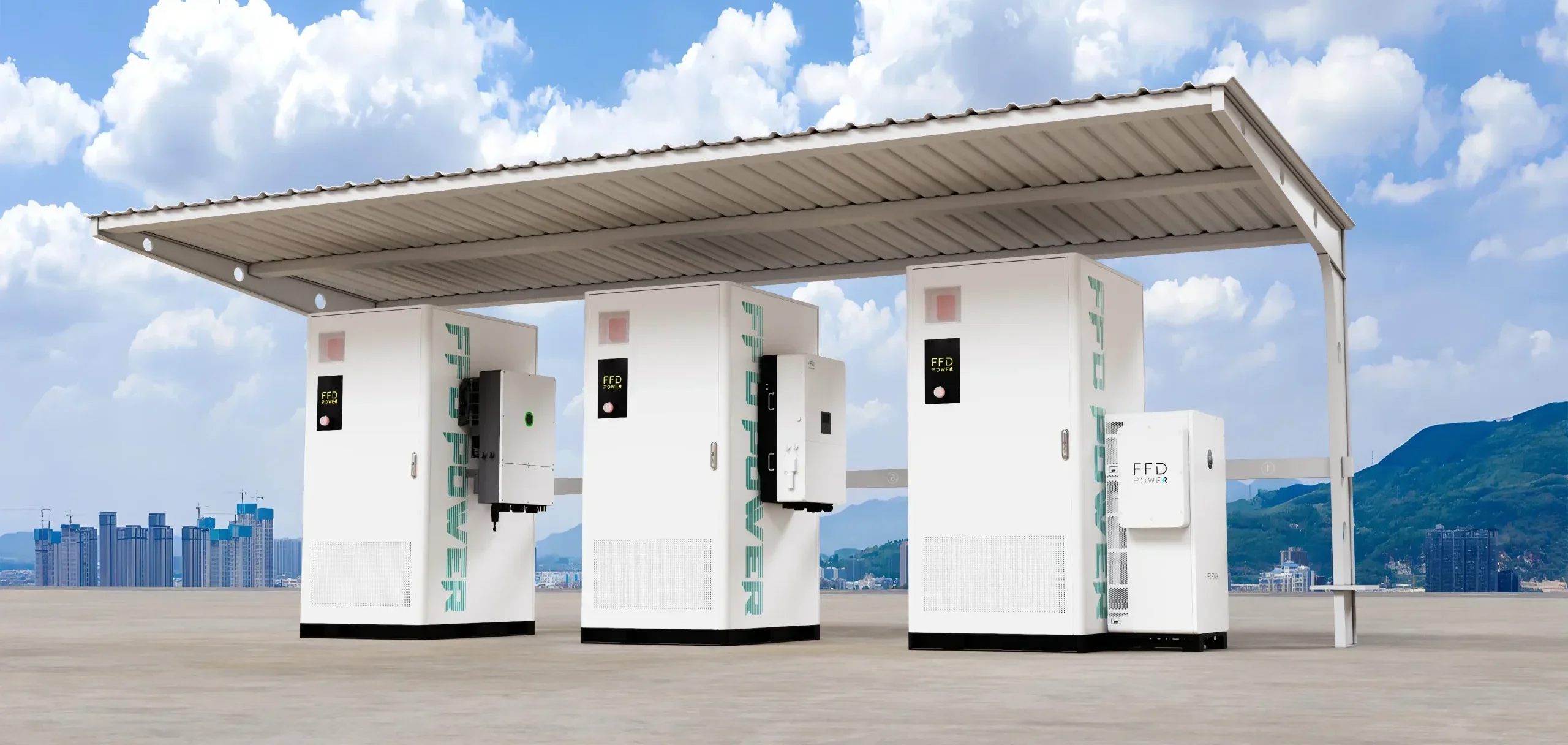
Option B: Battery Cabinet + External Hybrid Inverter (Modular Aggregation)
An outdoor-ready architecture where hybrid inverters are side-mounted on the battery cabinets, eliminating the need for wall mounting. This plug-and-play design reduces installation complexity and shortens commissioning time—ideal for customers who want a fast, low-hassle deployment.
Typical applications: PV self-consumption, backup for critical loads, energy arbitrage.
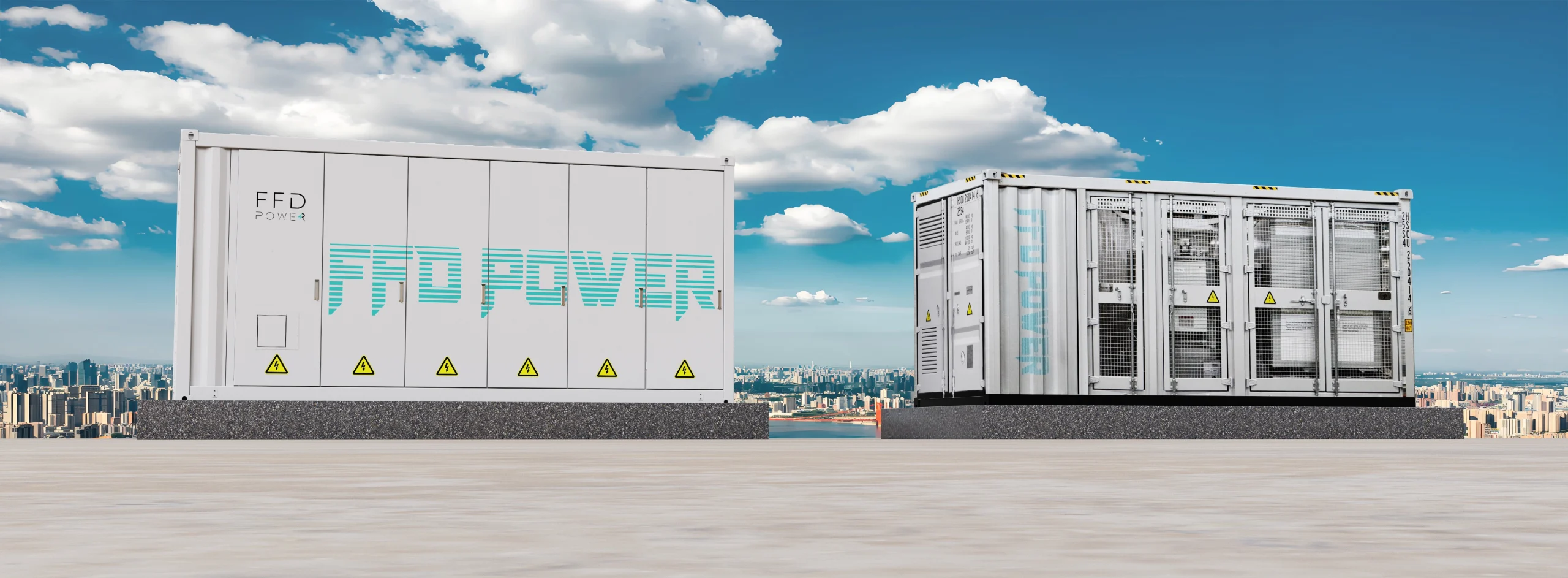
Option C: Containerized BESS (20-ft / 40-ft) and All-in-One Power Station (PCS + Transformer)
A factory-integrated, containerized solution (20-ft or 40-ft) combining the battery system, thermal management, fire safety, and electrical protection, designed for rapid deployment and standardized O&M. For projects requiring medium-voltage interconnection, we also offer an all-in-one power station that integrates the PCS and step-up transformer in a single container or skid, minimizing on-site engineering and reducing commissioning scope.
Typical applications: PV + storage, time shifting, site resilience/backup, grid service applications.
What “Turnkey” Means in Our C&I BESS Delivery
A turnkey C&I energy storage solution should reduce engineering risk for EPCs and owners. Our typical scope includes:
- System design (SLD, protection philosophy, metering scheme, layout)
- Battery system, PCS, EMS, auxiliary power, HVAC/thermal management
- LV distribution and protection; MV step-up transformer where required
- Factory integration and testing (FAT-ready documentation)
- On-site commissioning support and operating training
- Remote monitoring and O&M documentation package
Core System Components (Engineer-Friendly)
A complete C&I energy storage system generally includes:
- Battery system:modules/racks, DC protection, isolation, thermal management
- BMS:SOC/SOH, protections, balancing, logs/alarms
- PCS:bidirectional DC/AC conversion, P/Q control, grid-support functions
- EMS:dispatch logic (peak shaving/TOU/PV), multi-source coordination, SCADA integration
- BoP:switchgear, protection, metering, communications, auxiliary power
- Safety:fire detection, suppression/mitigation, E-stop, ventilation design
Typical C&I Use Cases We Support
- Peak shaving / demand charge reduction
- TOU arbitrage / tariff optimization
- PV self-consumption / curtailment reduction
- Backup power & resilience (with PV and/or genset coordination)
- Hybrid microgrids (PV + battery + diesel)
- Export smoothing and site power quality support (where required)
How to Evaluate a C&I Energy Storage Manufacturer / Supplier
When comparing suppliers, focus on criteria that determine real-world performance and project bankability:
- Clear definition of usable energy(SOC window, DoD, temperature derating)
- Thermal strategy(air vs liquid) and auxiliary consumption disclosure
- Protection and interconnectiondesign maturity (SLD + protections + metering)
- EMS dispatch capability (demand limit control, TOU schedules, PV/genset logic)
- Warranty boundaries (cycles/day assumptions, EoL retention targets)
- Serviceability and spare parts plan (PCS boards, pumps, sensors, fuses)