Capturing Surplus Solar and Shifting Energy to Peak-Price Hours in Israel
Project Overview
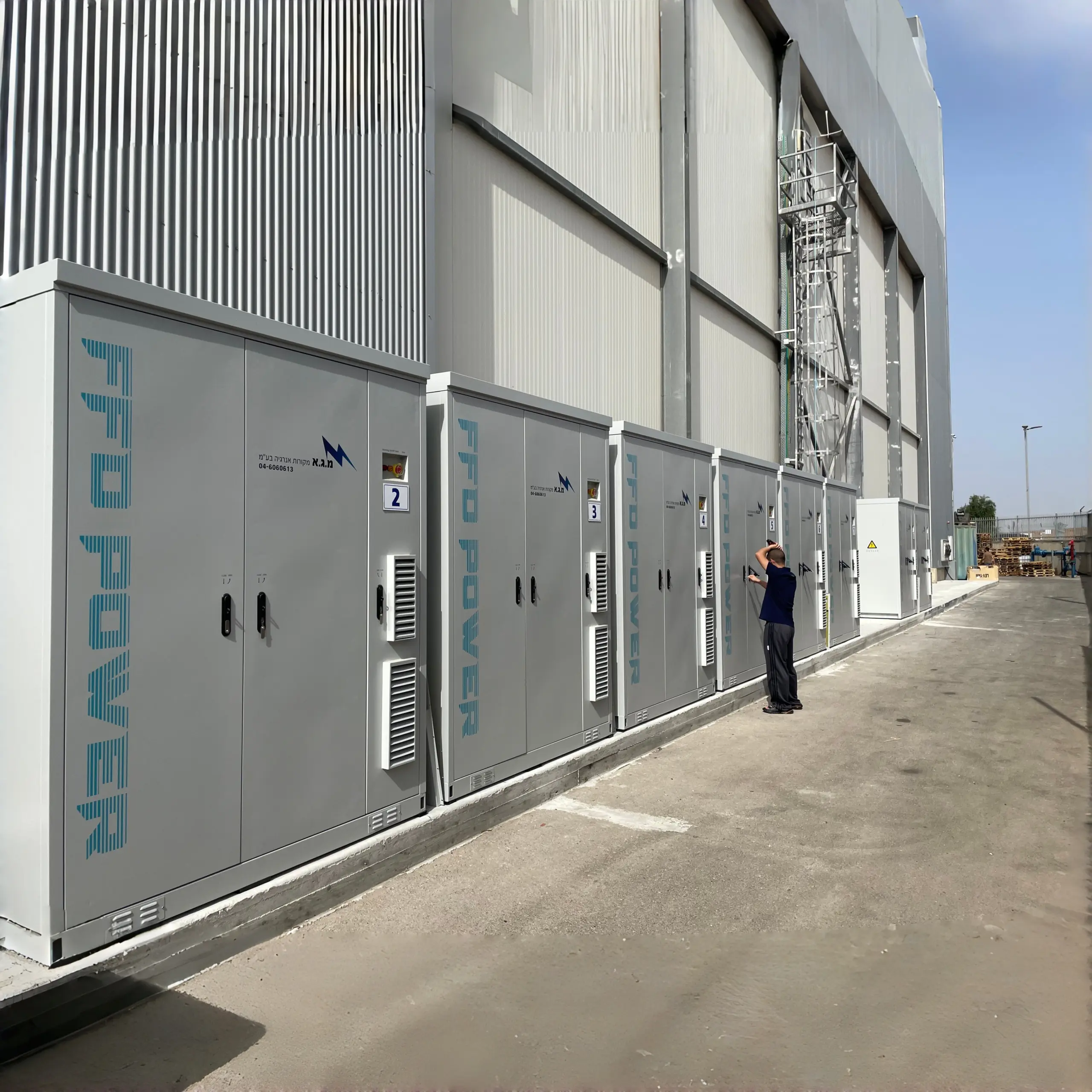
In response to significant electricity price spreads and PV surplus constraints in Israel, FFD POWER deployed a 1MW/2.15MWh BESS to enable energy arbitrage while integrating PV charging for a grid-connected site. Designed for high-ambient-temperature operation. The system bridges the gap between low-price periods with surplus PV generation and high-price periods with higher on-site demand—charging from both PV and off-peak grid power and discharging during peak-price hours to maximize savings and project returns, while ensuring reliable operation under high summer temperatures.
Project Background
The customer operates a grid-connected energy project in Israel where the peak–valley electricity price spread is significant. During low-price periods, the site can charge storage economically from the grid. Meanwhile, PV generation often peaks during hours when electricity prices are lower and on-site loads cannot absorb all PV production, leading to missed value from surplus solar energy. The project required an energy storage solution to store low-cost energy and surplus PV, then discharge during high-price hours to serve the load and maximize economic returns—while maintaining stable operation in high summer ambient temperatures.
Project Challenge
- TOU Price Spread: Large peak–valley electricity price differences require precise charge/discharge scheduling to capture arbitrage value.
- PV Surplus During Low-Price Hours: PV output peaks when prices are low and load absorption is limited, requiring storage to capture surplus energy.
- High Summer Temperature: The system must operate reliably under high ambient temperature conditions.
FFD POWER Solution
FFD POWER delivered a 1MW/2.15MWh BESS with PCS and EMS control for grid-connected energy arbitrage and PV integration. The EMS prioritizes charging from surplus PV when available and supplements charging using off-peak grid electricity to take advantage of the TOU price spread. During peak-price periods, the PCS discharges the BESS to supply the site load, reducing energy costs and improving project economics. The system’s thermal management and protection design support stable operation under high-ambient-temperature conditions, ensuring performance and availability through summer.
System Specifications
- PV installed : Existing on-site PV
- BESS POWER : 1,000 KW
- BESS Capacity : 2,150 KWH
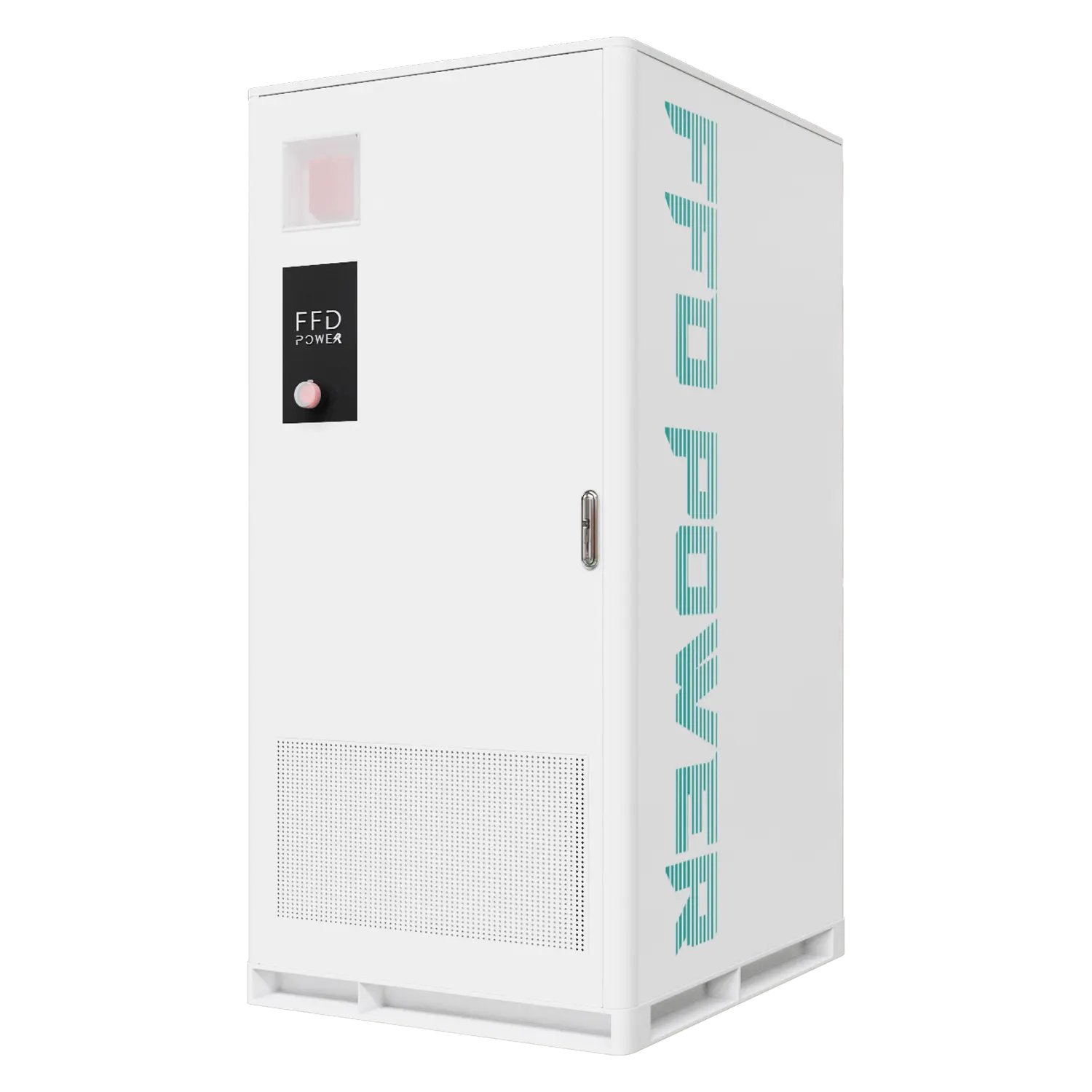
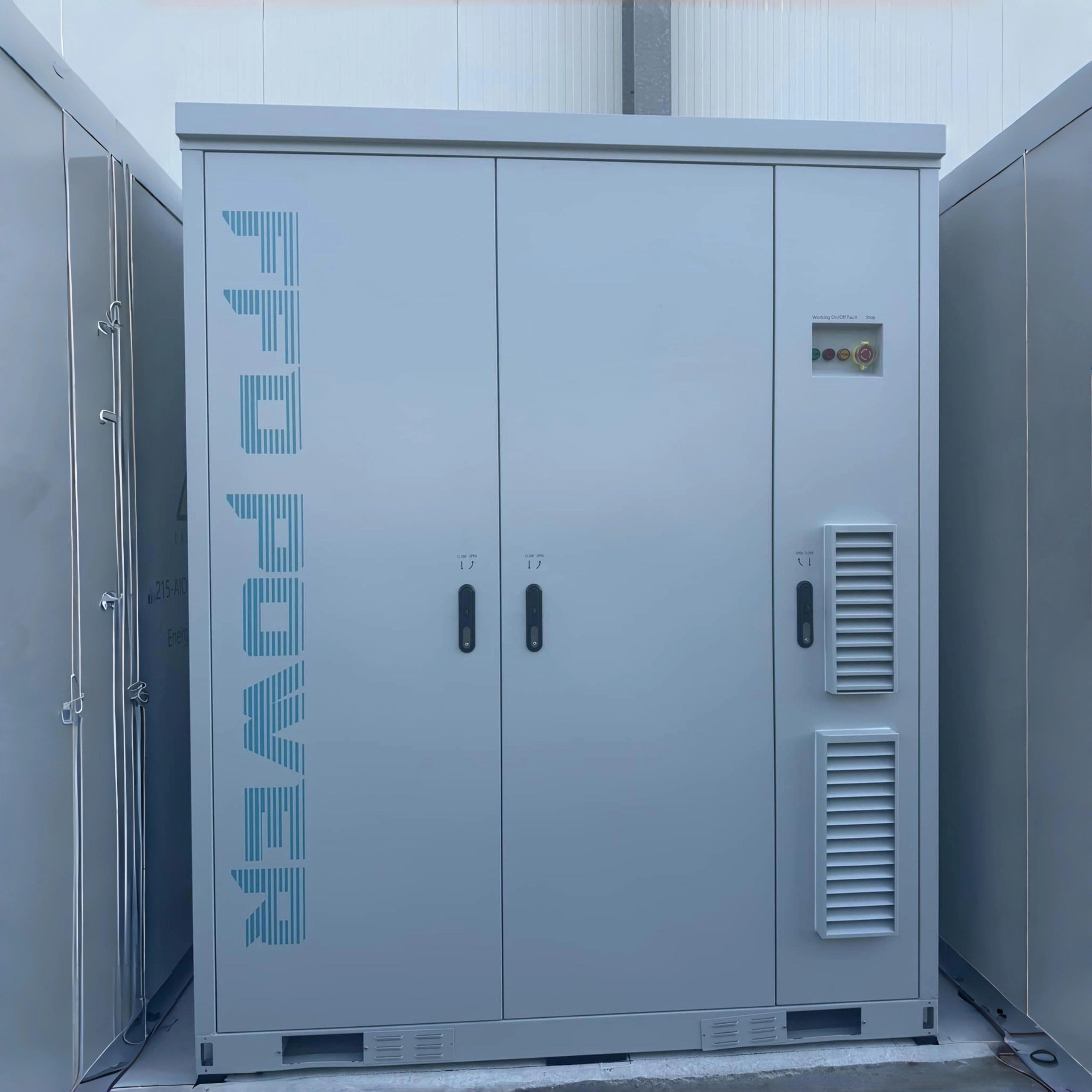
- Product used : Galaxy215 all-in-one Cabinet (100kW/215kWh Unit) * 10
- Architecture: Grid-Connected BESS for Energy Arbitrage with PV Surplus Capture and High-Temperature Design
Operational Logic: Energy Arbitrage with PV-Assisted Charging
The EMS coordinates PV, battery, and grid power to maximize economic value while maintaining reliable operation:
- PV Surplus Capture: PV supplies the load first. When PV exceeds load demand, surplus PV is directed to charge the BESS to avoid wasted generation during low-price hours.
- TOU Energy Arbitrage: When PV is insufficient, the EMS schedules charging from the grid during off-peak (low-price) periods and discharges during peak-price periods to supply the load and maximize savings.
- High-Ambient Reliability: Air conditioning thermal management and protection functions maintain stable system operation in hot summer conditions, supporting consistent charge/discharge performance and availability.