PV Export Limitation and Curtailment Reduction — in China
Project Overview
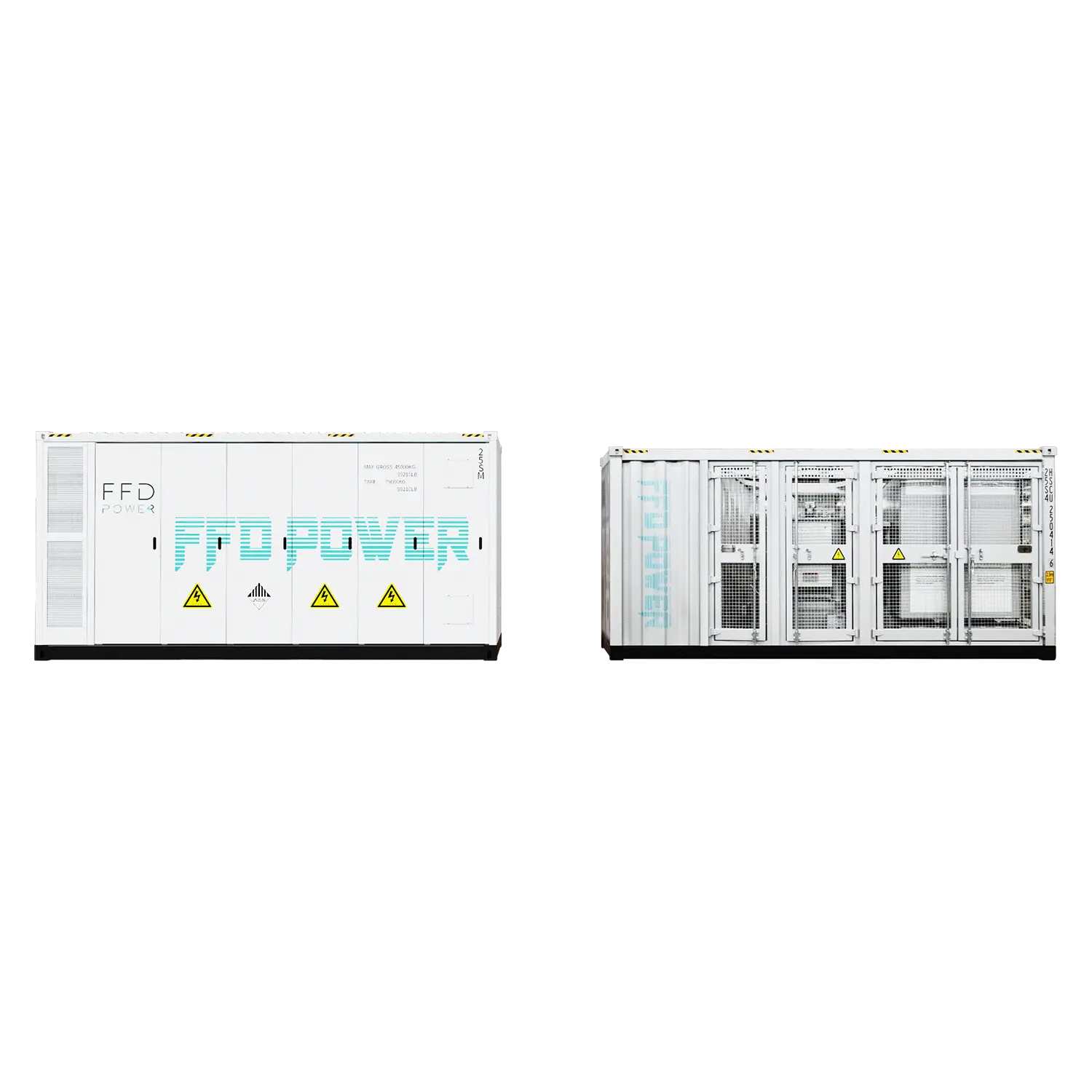
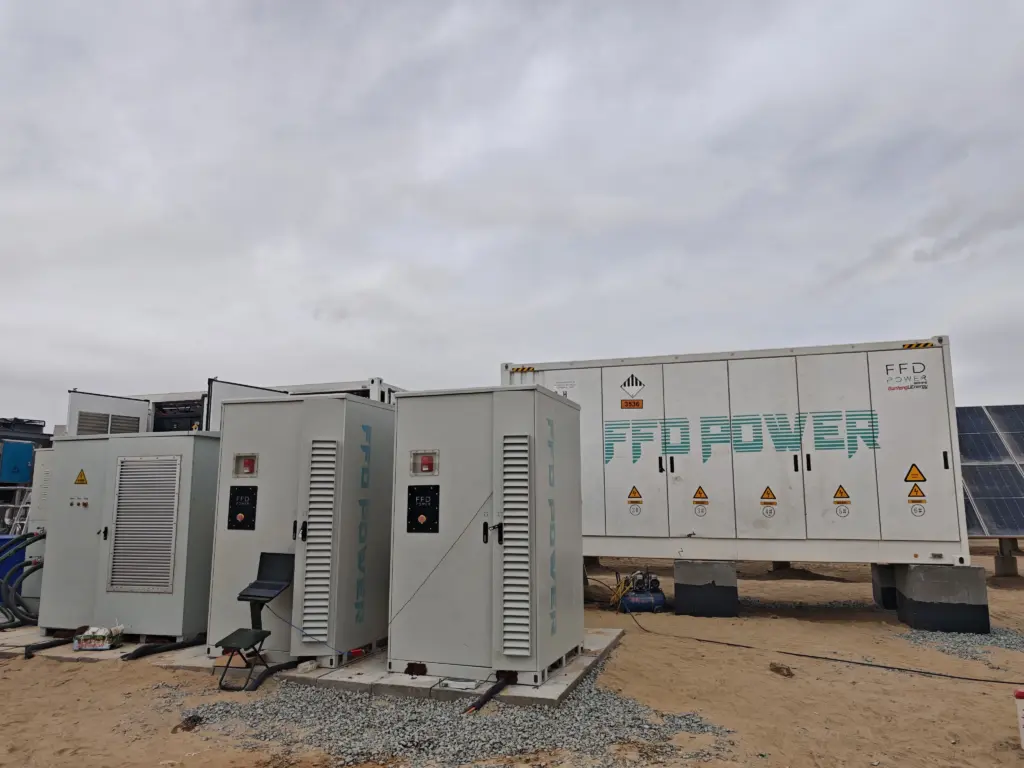
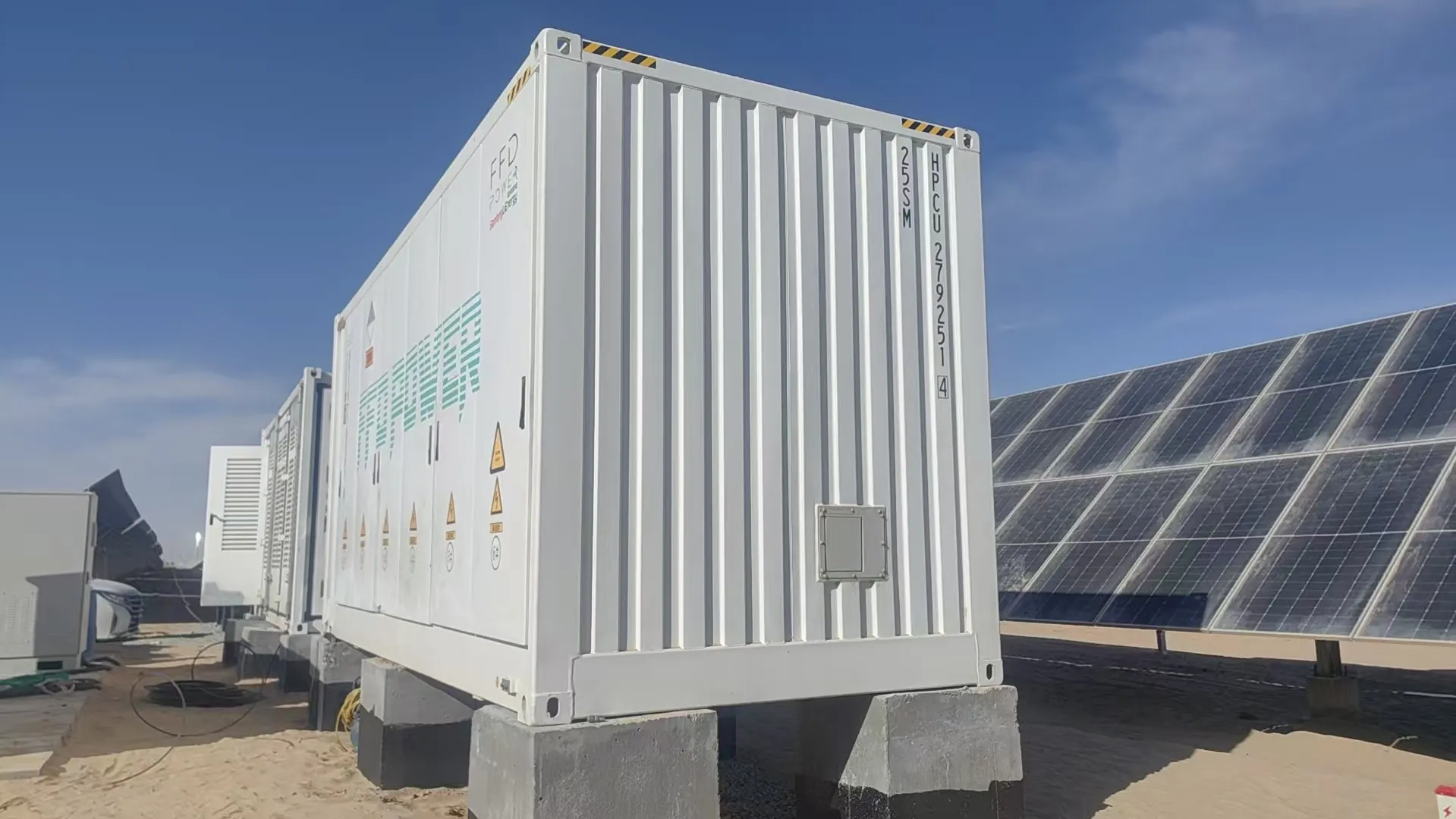
BESS for PV Peak Shaving in China showcases how a 3MW/6MWh battery energy storage system can absorb midday PV peaks, cap grid export within transformer limits, and release energy later to improve PV utilization. Installed at a solar site facing output caps and ramp constraints, the system operates as a fast-responding buffer between variable PV generation and a constrained point of interconnection. The EMS coordinates PV-following charge, export-limit control, and safe discharge scheduling to reduce curtailment while protecting SOC and cycle life.
Project Background
As more PV capacity is added behind a limited interconnection point, many sites experience frequent export clipping during high-irradiance hours. This not only reduces renewable yield, but can also trigger compliance risks when PV ramps exceed permitted limits. A BESS placed at the PV collection side can act as a controllable sink/source, converting otherwise-curtailed peak power into stored energy and supporting smoother, grid-friendly power profiles.
Project Challenge
- Interconnection Constraint: Maintain site export within POC/transformer capacity while PV output spikes at noon.
- PV Ramp Compliance: Smooth fast PV power fluctuations (cloud transients) to meet ramp-rate requirements and avoid nuisance trips.
- Battery-Safe Dispatch: Prioritize PV absorption without overcharging; manage SOC headroom for peak capture and enforce thermal/power limits.
FFD POWER Solution
FFD POWER implemented a containerized 3MW/6MWh BESS integrated with an EMS designed for PV peak shaving and export-limitation control. The EMS measures real-time PV output and POC power, then dynamically commands the PCS to charge during over-generation periods to hold export at a target limit. When PV drops or during predefined windows, the EMS discharges to support a smoother site profile—while enforcing SOC and protection constraints to extend battery life.
System Specifications
- BESS POWER : 3 MW
- BESS capacity : 6 MWH
- Product used : Galaxy 5015 + Galaxy 418L all-in-one BESS
- Application : PV peak shaving / export limit control
- Architecture: EMS with PV-following charge + ramp-rate smoothing + scheduled discharge
Operational Logic: PV Peak Shaving + Export Limit Control
The EMS logic focuses on maximizing PV capture while keeping the POC compliant and the battery within safe operating limits:
- Export Limit Control: continuously regulates POC active power to a configured cap by charging the BESS when PV exceeds the limit.
- PV Ramp-Rate Smoothing: buffers fast PV fluctuations by adjusting BESS power to keep POC ramps within a defined dP/dt threshold.
- SOC Headroom Management: maintains SOC targets that preserve charge headroom during solar hours and avoid overcharge during sustained peaks.