Powering a 160kW Fast-Charger on a 30kW Gridin Ukraine
Project Overview
In response to Ukraine’s rapidly growing electric vehicle (EV) market, FFD POWER has deployed a cutting-edge Solar-plus-BESS for EV Charging solution. This project demonstrates how a Battery Energy Storage System (BESS) can bridge the massive gap between a restricted 30kW local grid and the high-power demand of a 160kW fast-charging station, all while integrating renewable energy and reducing operational costs.
Project Background
As EVs become a cornerstone of sustainable transportation in Ukraine, the strain on local electrical infrastructure has intensified. In many regions, the grid is “weak,” meaning it cannot provide the instantaneous high power required for modern DC fast chargers.
Project challenge
Grid Limitation: Only 30kW of available power from the local utility.
Charging Demand: A 160kW fast-charging pile required for competitive service.
Economic Pressure: Volatile electricity prices and the need for green energy transition.
FFD POWER SOLUTION
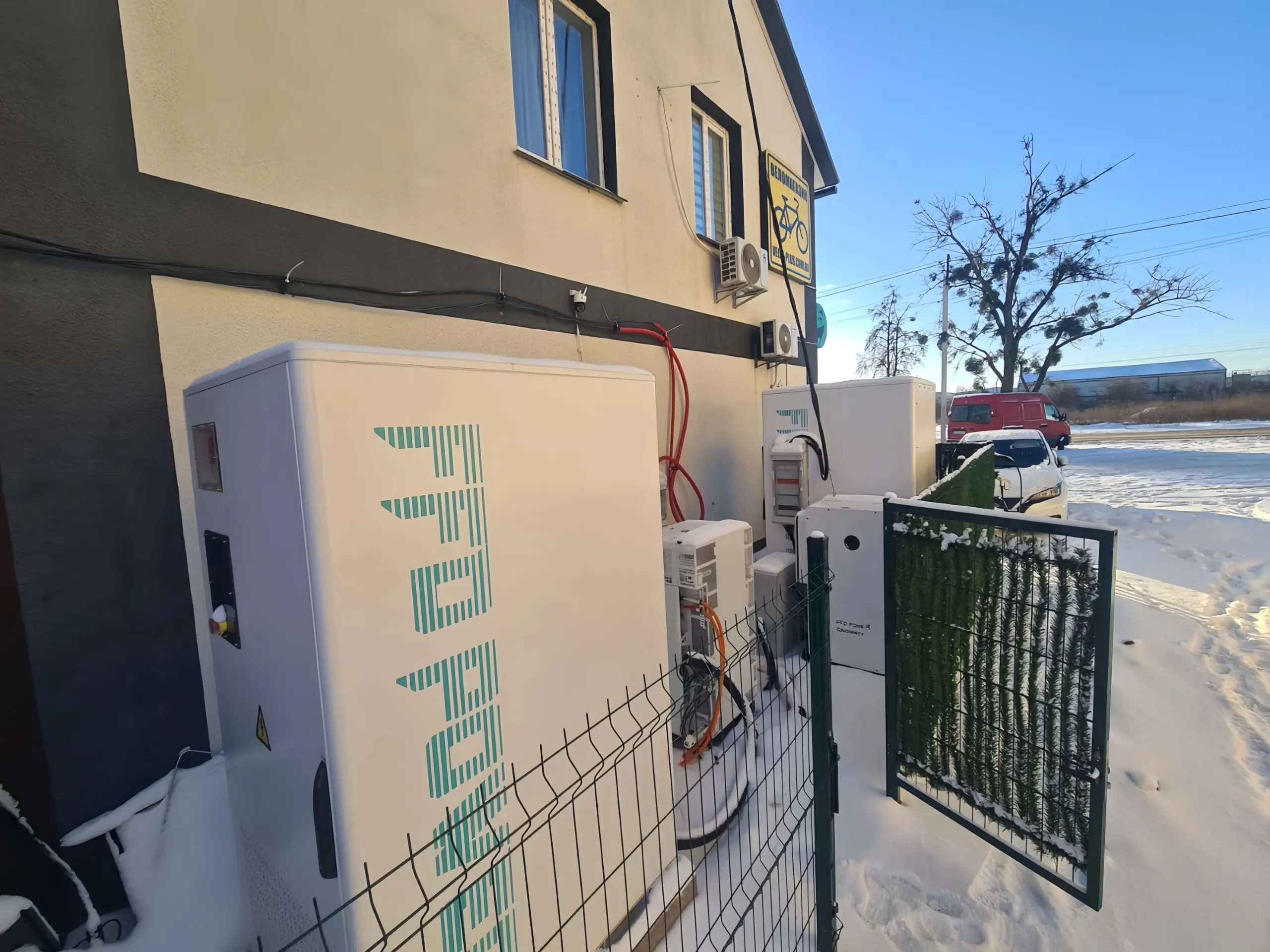
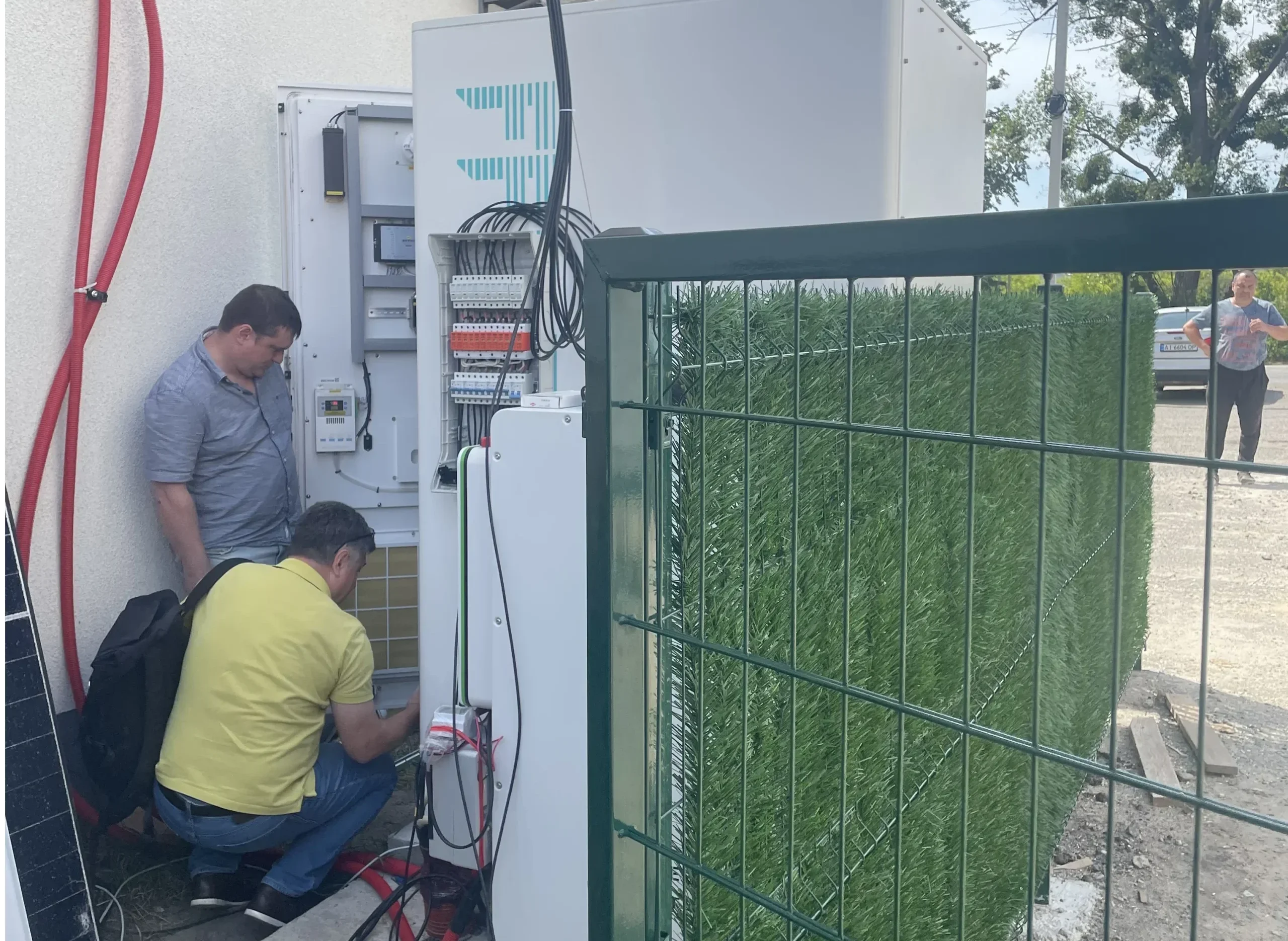
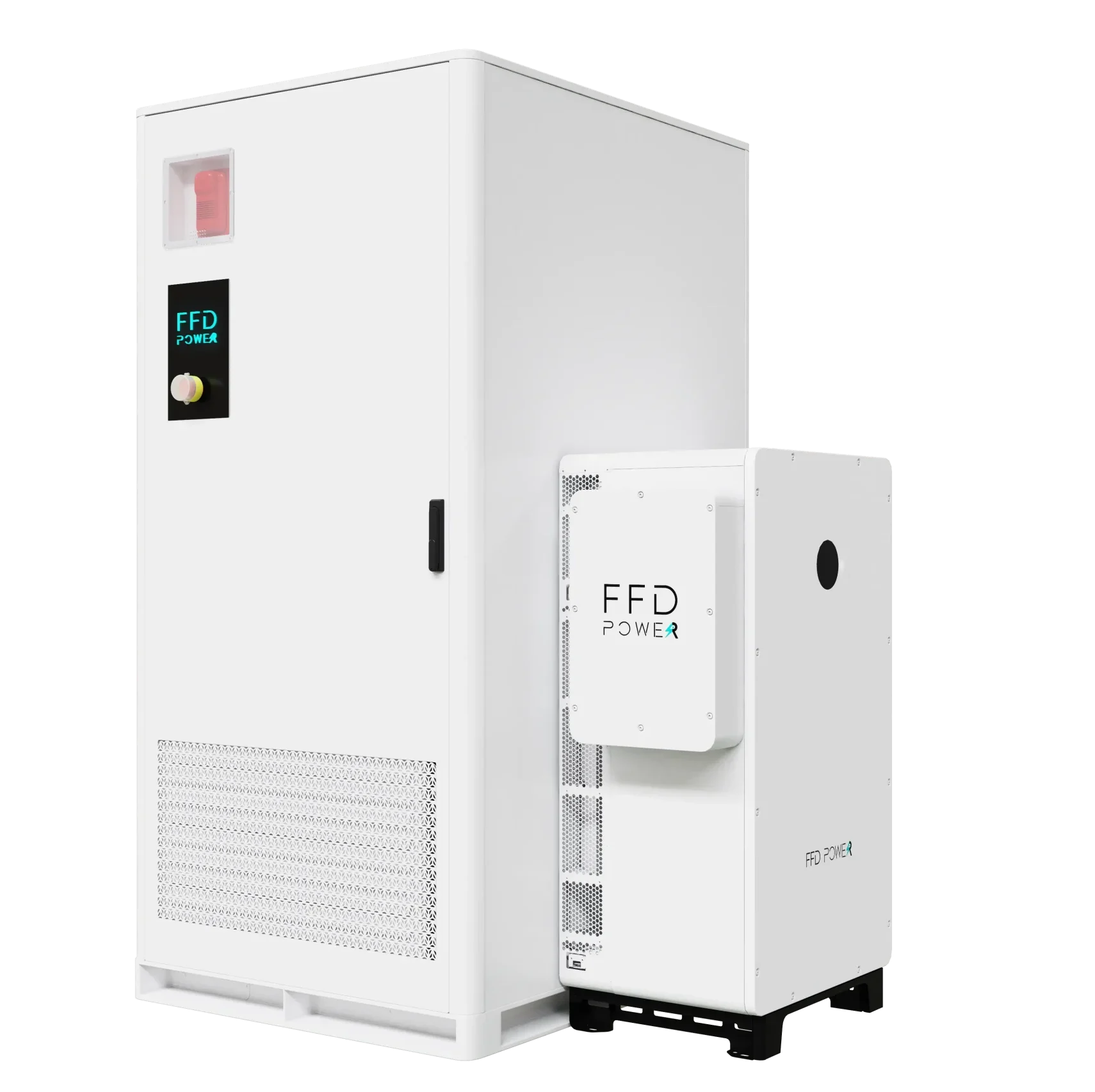
FFD POWER implemented a sophisticated All-in-One BESS equipped with a Hybrid Inverter, creating a localized “Power Hub.”
System Specifications
PV installed : 50 KW
BESS POWER : 200 KW
BESS capacity : 522 KWH
Product used : Galaxy 261 with 100KW hybrid inverter * 2
Architecture: Hybrid Inverter with Seamless Off-Grid Switching
Operational Logic: The "Power Booster" Effect
The core innovation lies in how the BESS manages energy flow to support the 160kW load:
Smart Charging: During idle periods, the BESS is "trickle-charged" using the limited 30kW grid connection combined with the 50kW PV solar power.
Off-Grid Output Strategy: The 160kW charging pile is connected to the Off-Grid (Backup) side of the BESS.
High-Power Discharge: When an EV initiates a charging session, the BESS discharges its stored energy at high power. By combining the 100kW inverter *2 output with real-time solar generation, the system provides the "boost" needed to satisfy the 160kW charger, even though the grid input never exceeds 30kW.