
News
Battery Fast Charging Technology and Its Impact on Battery Life
- October 13, 2025
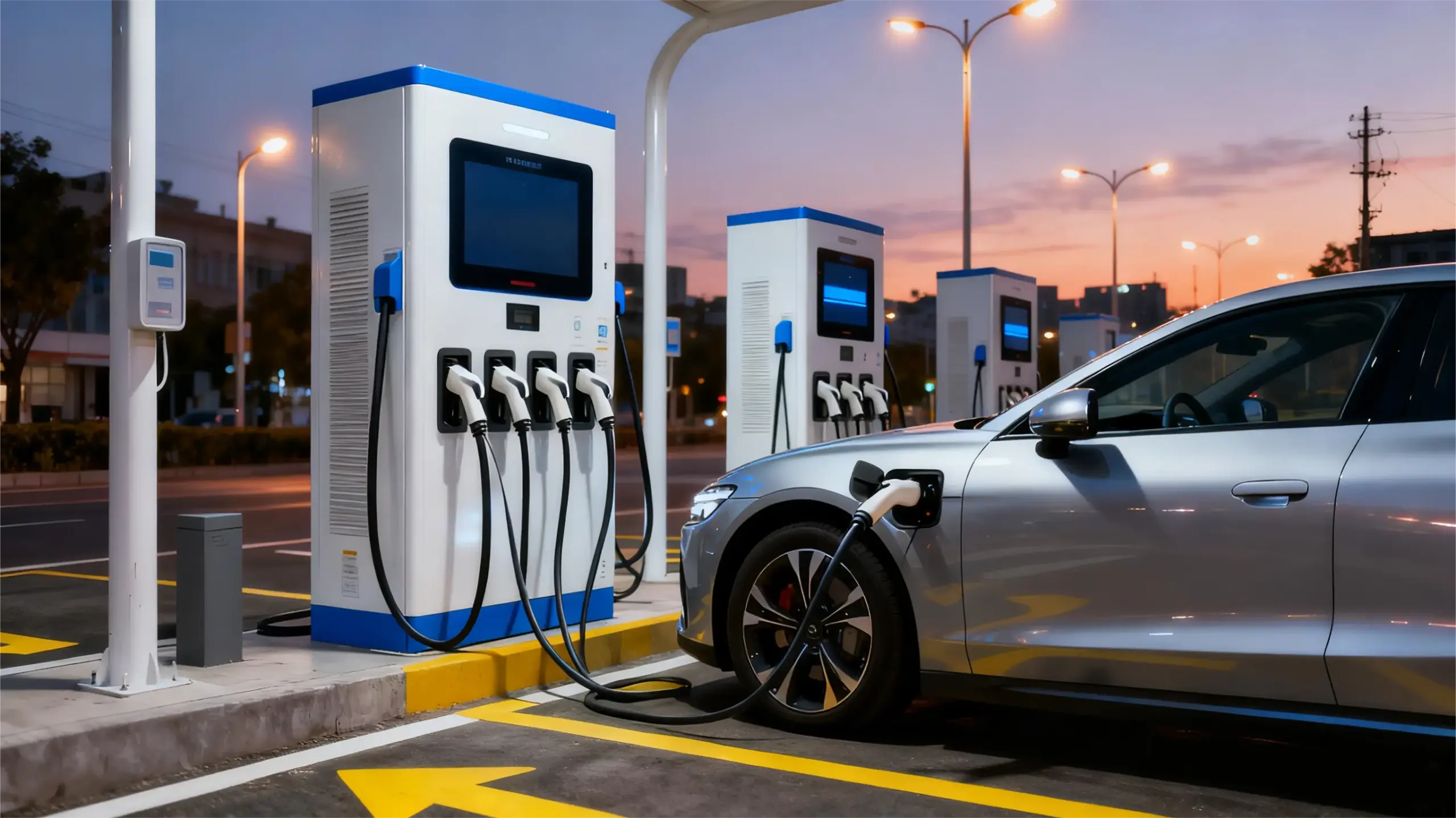
With the rising demand for electric vehicles (EVs) and high-performance energy storage systems (ESS), fast charging technology has become a critical focus. Fast charging allows batteries to reach high levels of charge in a shorter time, providing convenience and operational efficiency. However, rapid charging also raises concerns about its effects on battery life, safety, and performance. This article explores how fast charging works, its advantages, and its potential impact on battery lifespan.
What is Fast Charging?
Fast charging refers to the process of charging a battery at a higher current than standard rates, significantly reducing the time required to reach full charge. Depending on the technology, charging rates are often described as multiples of the battery’s C-rate:
1C rate: Fully charges in ~1 hour
2C rate: Fully charges in ~30 minutes
4C rate or higher: Fully charges in 15 minutes or less
Fast charging is widely used in EVs, portable electronics, and large-scale energy storage systems where downtime must be minimized.
Fast Charging Technologies
1. High-Current Charging
Method: Directly increases the current supplied to the battery.
Pros: Simple to implement, compatible with most lithium-ion batteries.
Cons: Can generate high internal temperatures, increasing thermal stress.
2. Pulse Charging
Method: Delivers current in pulses with short rest intervals.
Pros: Reduces heat accumulation, improves charge uniformity.
Cons: Requires sophisticated control electronics.
3. Temperature-Controlled Charging
Method: Uses active thermal management to maintain optimal battery temperature during fast charging.
Pros: Minimizes degradation and improves safety.
Cons: Adds complexity and cost to the system.
4. Advanced Battery Chemistries
Method: Using high-rate tolerant chemistries such as LFP (Lithium Iron Phosphate) or NCM (Nickel-Cobalt-Manganese) designed for fast charging.
Pros: Improved cycle life under rapid charging conditions.
Cons: Material costs and availability can be limiting factors.
Impact of Fast Charging on Battery Life
While fast charging offers convenience, it can affect battery longevity in several ways:
1. Accelerated Capacity Degradation
High charging currents can cause lithium plating on the anode surface, reducing usable capacity and shortening cycle life.
2. Increased Internal Resistance
Rapid charging and heat can increase the battery’s internal resistance, which reduces efficiency and generates additional heat during subsequent cycles.
3. Thermal Stress
Fast charging elevates battery temperature, which accelerates chemical reactions that degrade the electrode and electrolyte materials.
4. State of Charge (SOC) Impact
Frequent fast charging, especially to 100% SOC, places additional stress on the battery. Maintaining SOC within a safe range (e.g., 20–80%) can mitigate these effects.
Best Practices to Minimize Fast Charging Impact
Use temperature-controlled charging to avoid overheating.
Limit fast charging to necessary situations; regular charging at moderate currents is preferred.
Adopt advanced battery chemistries that tolerate high-rate charging, such as LFP.
Integrate smart BMS to manage SOC, current, and thermal conditions dynamically.
Avoid charging to 100% SOC frequently; partial charges reduce stress and prolong life.
Conclusion
Fast charging technology has revolutionized EVs and energy storage by providing speed and convenience. However, it introduces challenges for battery longevity due to heat, lithium plating, and high internal stress. By combining advanced battery chemistries, temperature management, and intelligent BMS control, users can enjoy the benefits of rapid charging while minimizing its impact on battery life. In modern energy systems, understanding and managing fast charging effects is key to achieving both performance and durability.