AC-Coupled Storage to Capture Surplus Solar in Israel
Project Overview
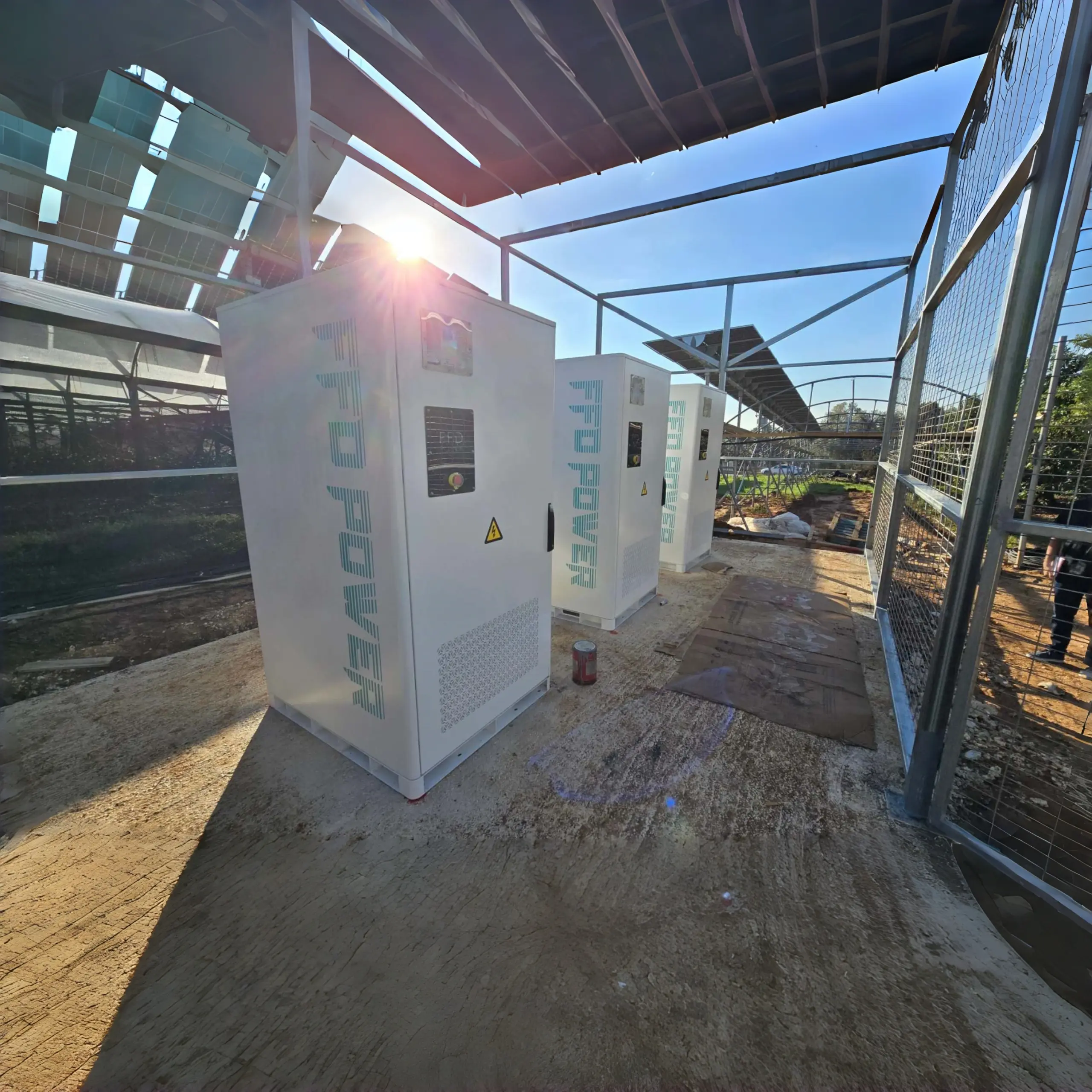
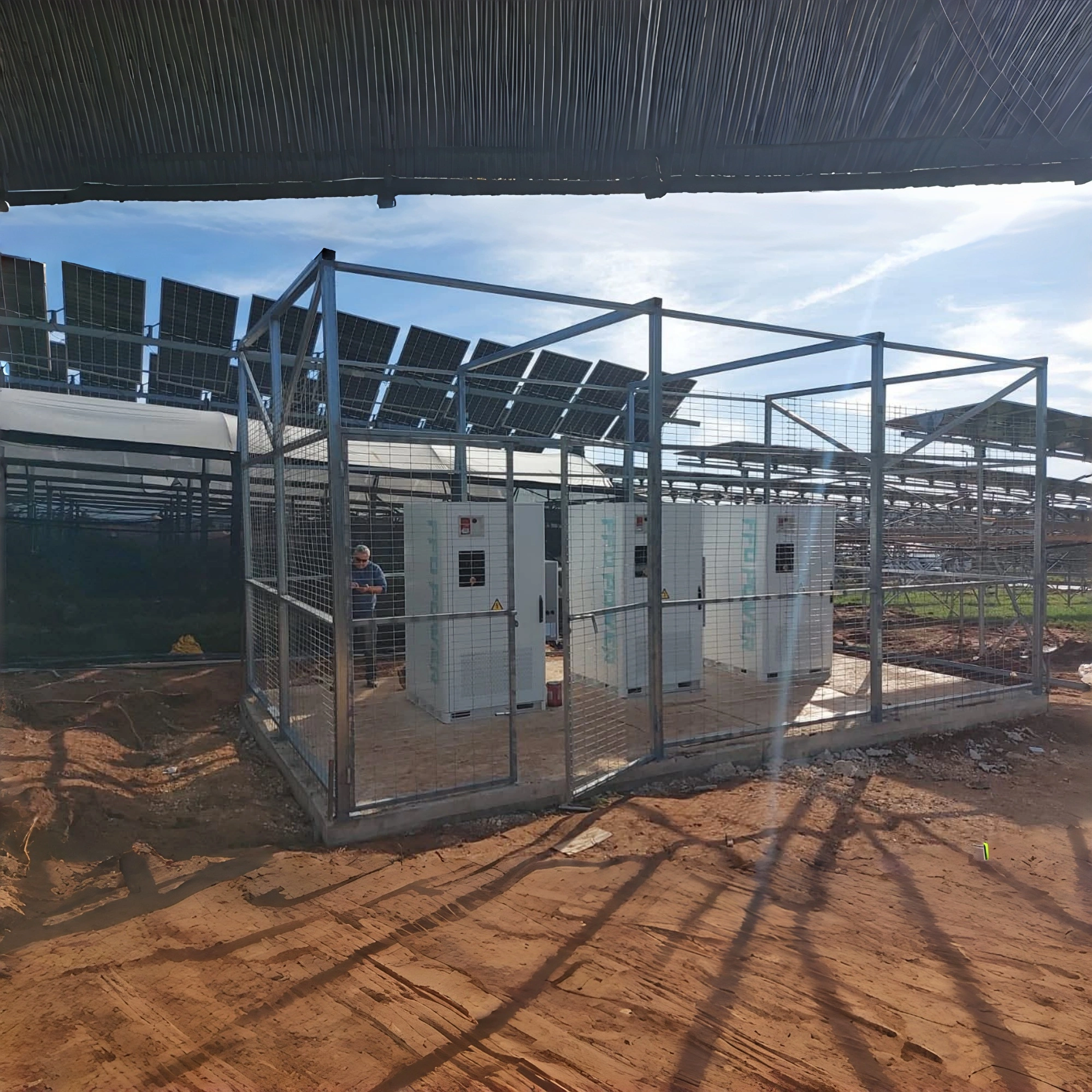
In response to PV export constraints and curtailment risk at a solar site, FFD POWER deployed a 315kW/699kWh BESS in Israel to enable PV curtailment mitigation through AC-coupled integration on a 400Vac unified busbar. The system bridges the gap between high PV output periods—when the site cannot absorb all generation and export is constrained—and the hours when energy can be used or exported at higher value. By coordinating with the PV grid-tied inverter over communications and dispatching storage on the 400Vac busbar, the solution reduces curtailment, improves PV utilization, and increases overall project revenue.
Project Background
The customer operates a PV site in Israel where most solar generation is exported to the grid. During high PV production hours, electricity prices can be low and export/acceptance constraints can limit the amount of PV that can be delivered, resulting in curtailment and lost revenue. The project required a compact storage solution that could connect on the AC side to the PV inverter output, communicate with the PV inverter, and perform precise charging control to capture surplus PV energy that would otherwise be curtailed.
Project Challenge
- PV Curtailment & Export Constraints: High PV output periods can exceed export/acceptance limits, causing renewable energy waste and revenue loss.
- AC-Coupled Integration on 400Vac Busbar: The BESS must parallel with the PV inverter on a 400Vac busbar without disturbing inverter/grid operation.
- Coordinated Control via Communications: The EMS must communicate with the PV grid-tied inverter to enforce power limits and optimize charging.
FFD POWER Solution
FFD POWER delivered an AC-coupled BESS using multiple all-in-one battery cabinets paralleled on the PV inverter’s 400Vac busbar. Through EMS coordination and communication with the PV grid-tied inverter, the system dynamically adjusts charging power to absorb surplus PV generation when export is constrained, thereby reducing curtailment. When conditions are favorable, the stored energy can be dispatched to support export, improving PV utilization and project economics.
System Specifications
- PV installed : Existing PV plant with grid-tied inverter (AC output 400Vac)
- BESS POWER : 315 KW
- BESS capacity : 699 KWH
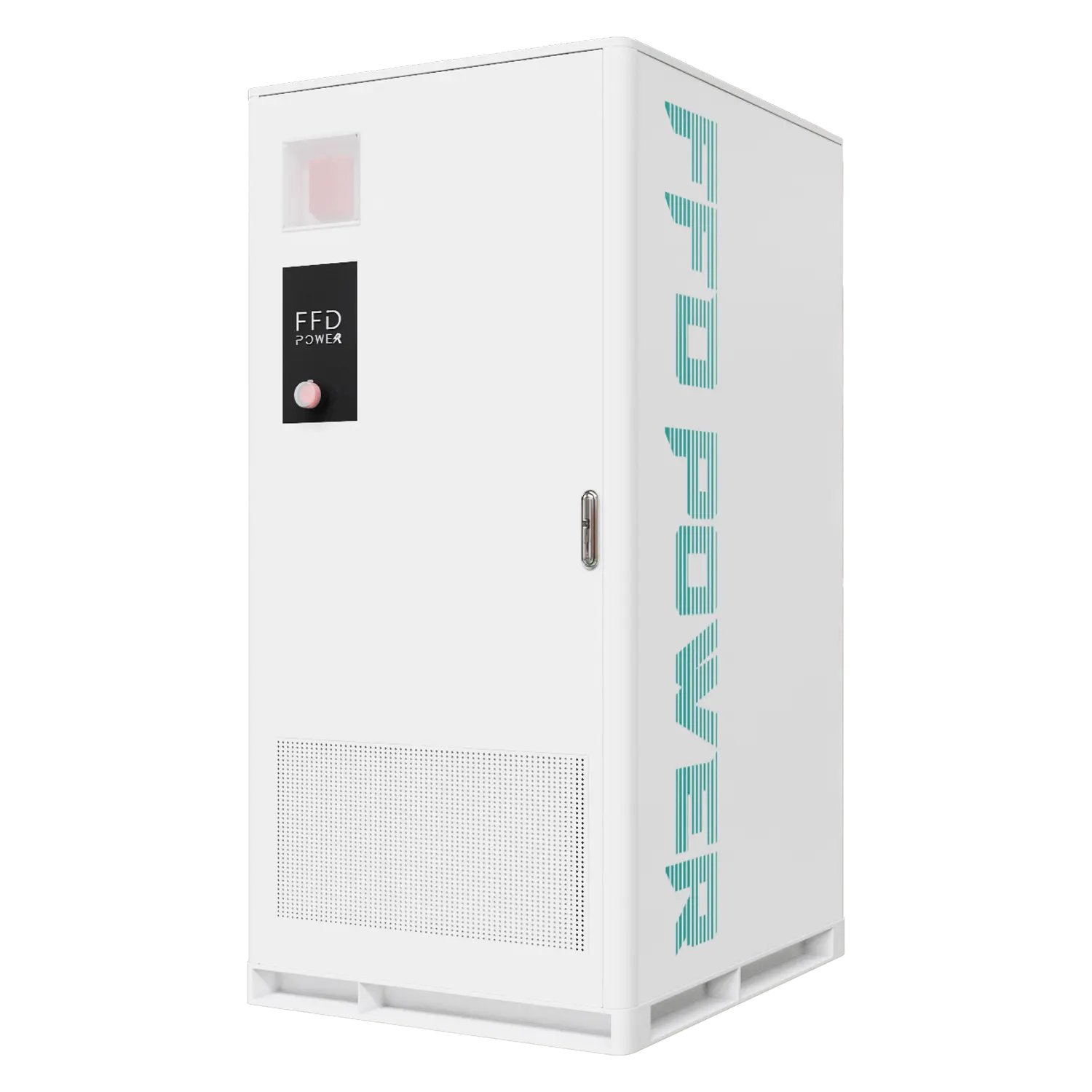
- Product used : 3× Galaxy 233L-AIO-2H (AC-coupled all-in-one cabinets) + EMS
- Architecture: AC-Coupled PV + BESS on 400Vac Busbar with Inverter-EMS Coordination
Operational Logic: PV Curtailment Mitigation via AC Coupling
The EMS coordinates PV inverter operation and battery charging to maximize PV utilization under export constraints:
- Surplus PV Capture: When PV generation exceeds the allowable export/acceptance level, the EMS increases BESS charging power to absorb the surplus energy and prevent curtailment
- Inverter Coordination on 400Vac Busbar: The EMS communicates with the PV grid-tied inverter to manage power limits and stabilize the local bus, ensuring smooth parallel operation of PV and storage.
- Value-Based Dispatch: When curtailment risk is reduced or when grid/export conditions are favorable, the BESS can discharge to support export, improving the overall value of PV generation.