Grid Services with Third‑Party EMS Integration in Sweden
Project Overview
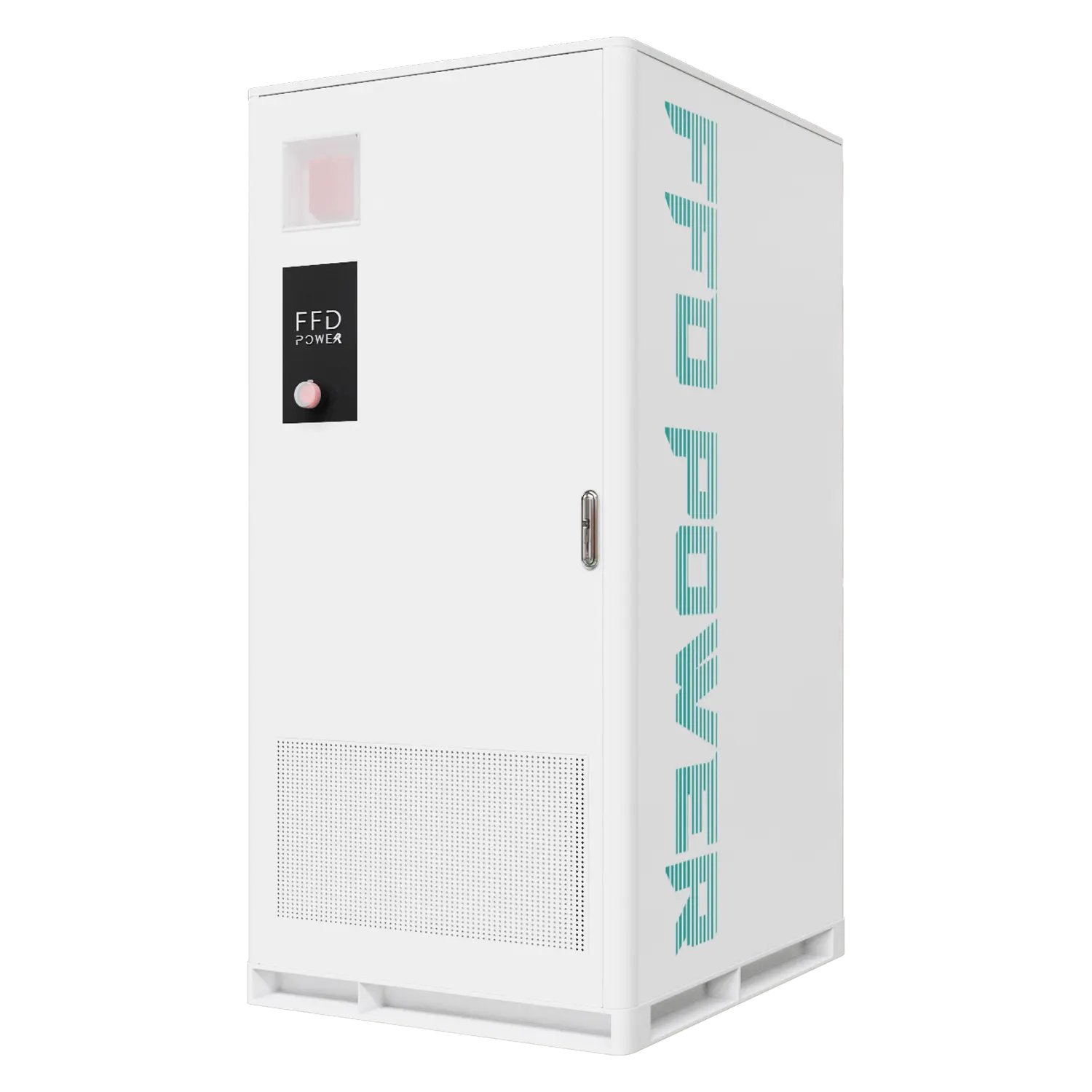
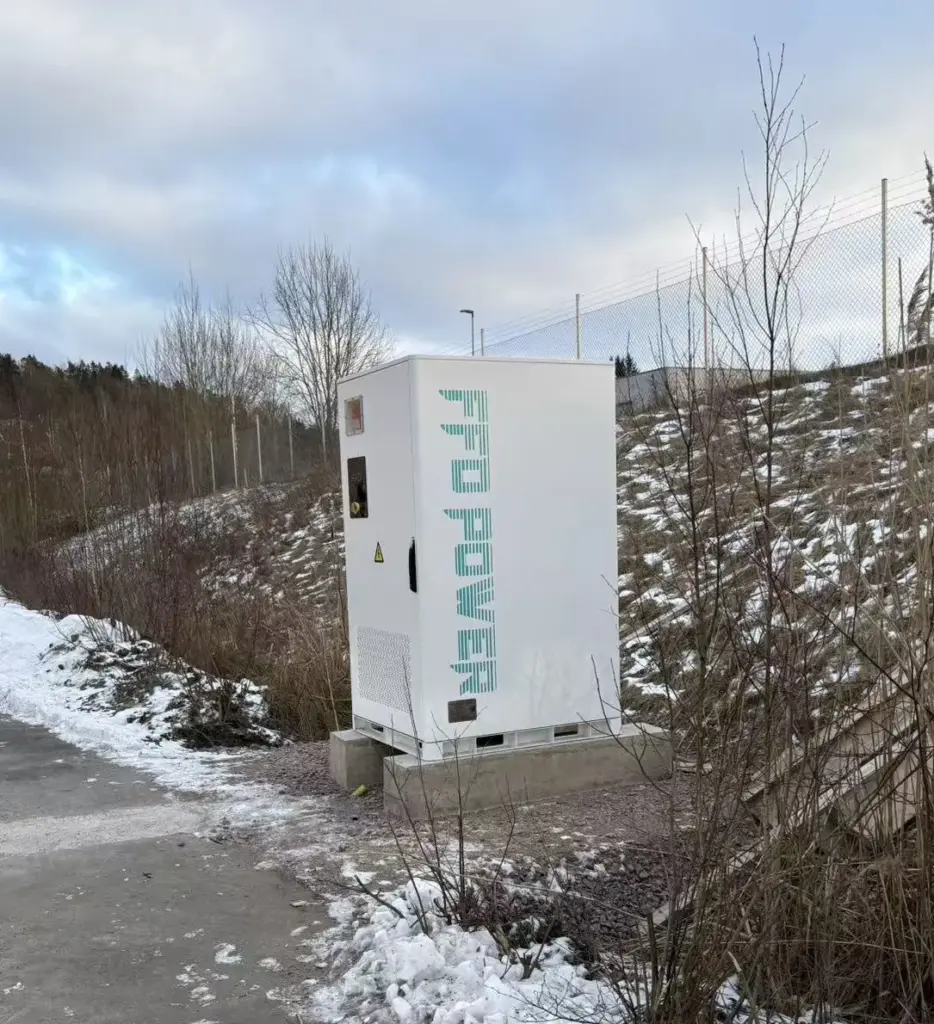
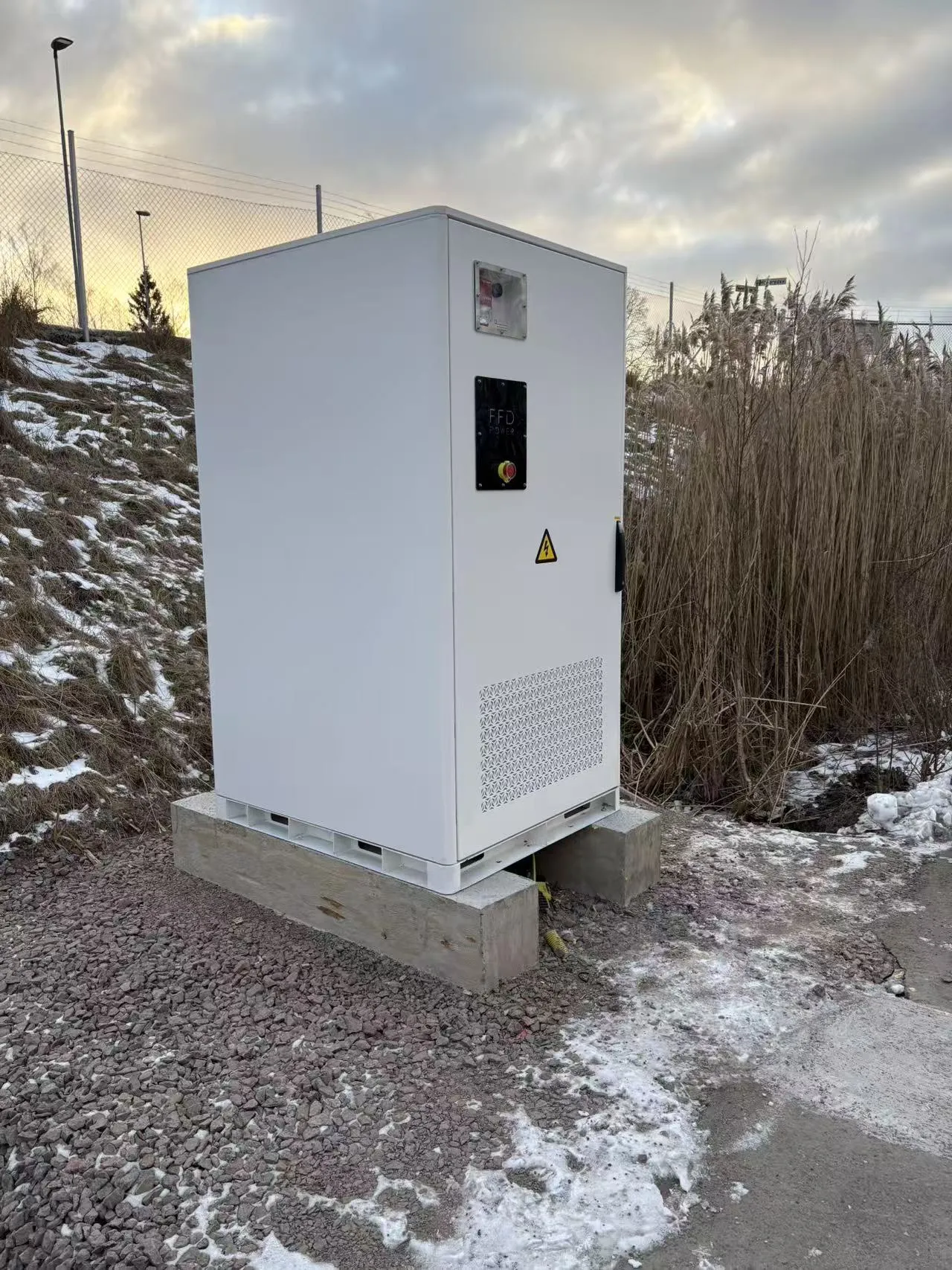
BESS for TSO Dispatch in Sweden demonstrates how a 125kW/261kWh all‑in‑one cabinet can be integrated into a customer‑owned EMS that receives direct dispatch signals from the TSO. In this project, the customer’s EMS supervises the site operation and issues real‑time power setpoints, while the FFD controller provides a safety envelope (limits, protections, local interlocks) and ensures battery‑safe execution. The system is designed to sustain full‑power discharge for up to two hours when required, with SOC governance and fallback modes to maintain grid‑service availability under Nordic operating conditions.
Project Background
Nordic balancing and ancillary service programs increasingly rely on flexible resources that can respond quickly and predictably. For many aggregators, the control chain is dispatch platform/TSO signal → customer EMS → local BESS controller → PCS. This creates a clear requirement: the site must follow external setpoints with high fidelity, yet still enforce strict protection boundaries for the battery and power electronics. At this Swedish installation, the customer required their EMS to directly take TSO dispatch and “control the EMS”, while the vendor-side controller ensured deterministic execution and fail‑safe behavior.
Project Challenge
- Third‑Party Control Integration: Accept customer EMS real‑time active‑power commands while enforcing local protection limits, interlocks, and ramp boundaries.
- 2‑Hour Full‑Power Requirement: Deliver 125kW continuous discharge for up to 2 hours (energy‑limited), with SOC windowing and controlled recovery charging.
- Operational Robustness in Cold Weather: Maintain stable communications and predictable control under Nordic conditions, including safe fallback modes on comms loss or invalid setpoints.
FFD POWER Solution
FFD POWER delivered a 125kW/261kWh all‑in‑one BESS cabinet with an integration‑ready control stack. Responsibilities are deliberately separated: the customer EMS owns market logic and dispatch, while the local controller enforces a safety envelope (power/SOC/temperature limits, ramp limits, protections) and executes validated setpoints to the PCS. This architecture enables direct TSO‑driven operation without sacrificing battery safety, traceable logs, or operational stability.
System Specifications
- BESS POWER : 125 KW
- BESS capacity : 261 KWH
- Product used : Galaxy261L All‑in‑one cabinet BESS
- Application : TSO dispatch / ancillary services (aggregator‑controlled)
- Integration: Customer EMS issues setpoints; local controller enforces limits & protections
Operational Logic: TSO Setpoint Following with Safety Envelope
The EMS logic is designed around third‑party dispatch, deterministic response, and battery protection:
- Setpoint Interface & Validation: receives active‑power commands from customer EMS, validates bounds (P limits, ramps, interlocks), then forwards a safe command to the PCS.
- SOC Governance for 2‑Hour Delivery: maintains SOC targets and minimum reserve to enable sustained discharge; schedules controlled recharge to restore service readiness after events
- Fail‑Safe & Fallback Modes: on comms loss/invalid commands, holds last safe setpoint or transitions to a predefined safe state, while alarming and logging events for diagnostics and settlement.