Fast Synchronization Backup for Unstable Voltage & Frequency in Brazil
Project Overview
In response to unstable utility voltage/frequency and frequent outages affecting an industrial facility, FFD POWER deployed a 210kW/430kWh BESS in Brazil to provide fast power backup with rapid synchronization and EMS-defined charging logic. The solution bridges the gap between unreliable utility supply and the factory’s need for stable operations by delivering rapid backup response and grid-interactive control. Two customer-defined charging logics ensure the battery is always ready during working hours and optimally recharged at night during low-price periods for the next day’s operation.

Project Background
The customer operates a factory in Brazil where the local grid can experience unstable voltage and frequency and is subject to frequent interruptions. Such events can halt production and impact equipment reliability. The project required an energy storage backup solution that could synchronize quickly to supply loads during grid disturbances or outages. In addition, the customer specified two operational charging logics: (1) during working hours, whenever the grid is available the BESS should recharge to full to maintain maximum backup readiness; (2) during off-hours, charging should be scheduled to start at 00:00 during low-price periods and reach full SOC before the next workday.
Project Challenge
- Unstable Voltage & Frequency: Poor power quality and frequent interruptions require a fast-responding backup supply.
- Fast Synchronization: The system must synchronize quickly to minimize disruption when the grid becomes unstable or is lost.
- Dual Charging Logic Requirements: The customer required different charging strategies for working hours versus off-hours to ensure both readiness and cost efficiency.
FFD POWER Solution
FFD POWER delivered a 210kW/430kWh BESS with PCS and EMS control for industrial backup in Brazil. The system supports rapid synchronization and fast transition to backup supply during grid disturbances, stabilizing the local bus for sensitive loads. To meet the customer’s operational requirements, the EMS implements two charging modes: during working hours, the BESS prioritizes charging to full whenever grid power is available to ensure maximum backup readiness; during off-hours, the EMS schedules charging to start at 00:00 in low-price periods and reach full SOC before the next day’s operation. This strategy balances reliability and energy cost optimization while maintaining strong availability for outage events.
System Specifications
- PV Installed : N/A
- BESS POWER : 210 KW
- BESS Capacity : 430 KWH
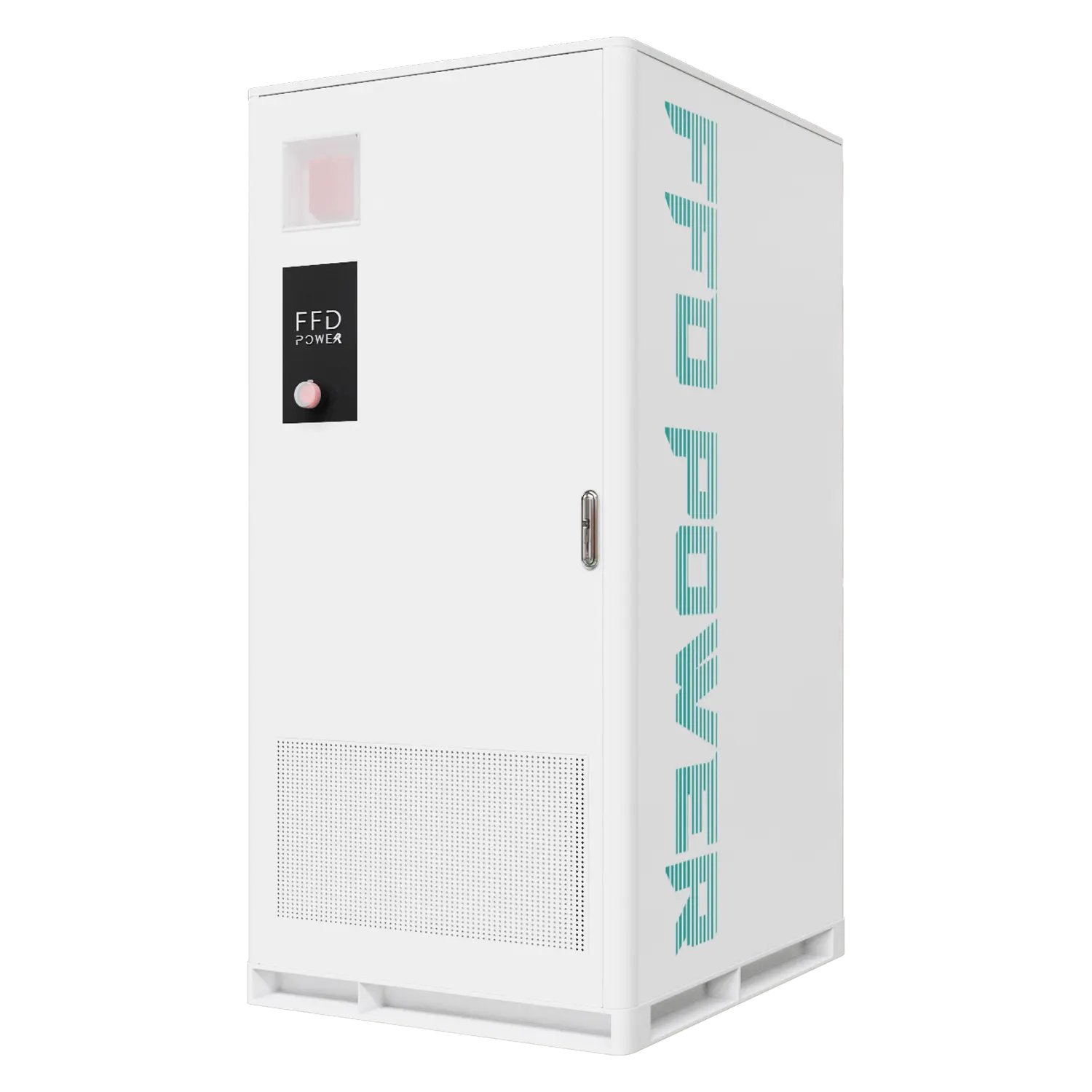
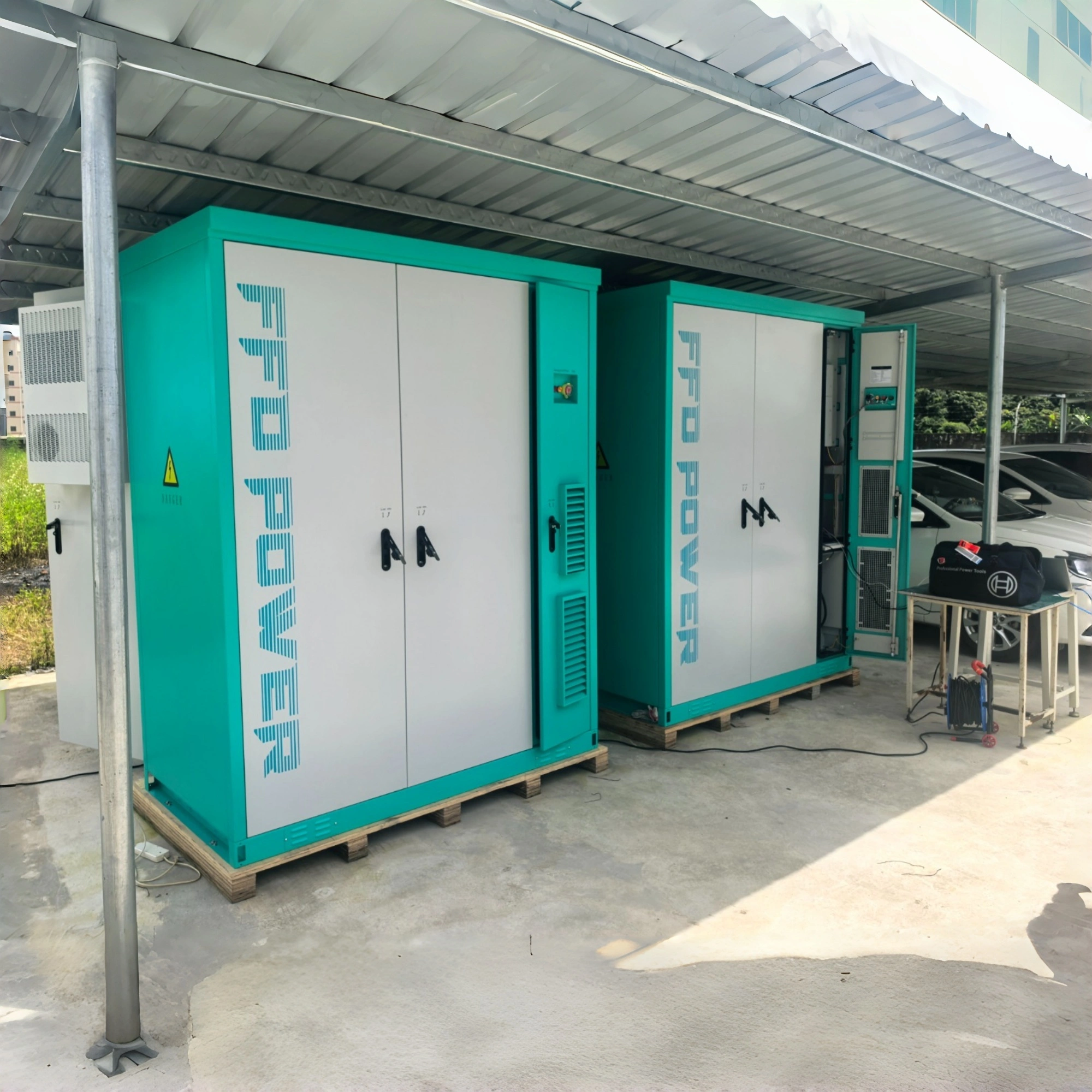
- Product used : Galaxy215 all-in-one Cabinet (105kW/215kWh Unit) * 2 + EMS
- Architecture: Grid-Interactive Backup BESS with Fast Synchronization and Dual Charging Modes
Operational Logic: Backup Readiness with Dual Charging Modes
The EMS maintains backup readiness while optimizing charging behavior across working and off-hours:
- Working-Hour Full-Readiness Charging: During working hours, whenever the grid is available the EMS charges the BESS to full SOC to maintain maximum backup capability.
- Off-Hour Scheduled Charging: During off-hours, the EMS schedules charging to start at 00:00 during low-price periods and reach full SOC before the next workday.
- Fast Synchronization Backup: When grid voltage/frequency becomes unstable or the grid is lost, the PCS synchronizes and transitions rapidly to supply loads, stabilizing voltage and frequency for continuous operation.