Two Daily Cycles Under Guangdong TOU Tariffs in China
Project Overview
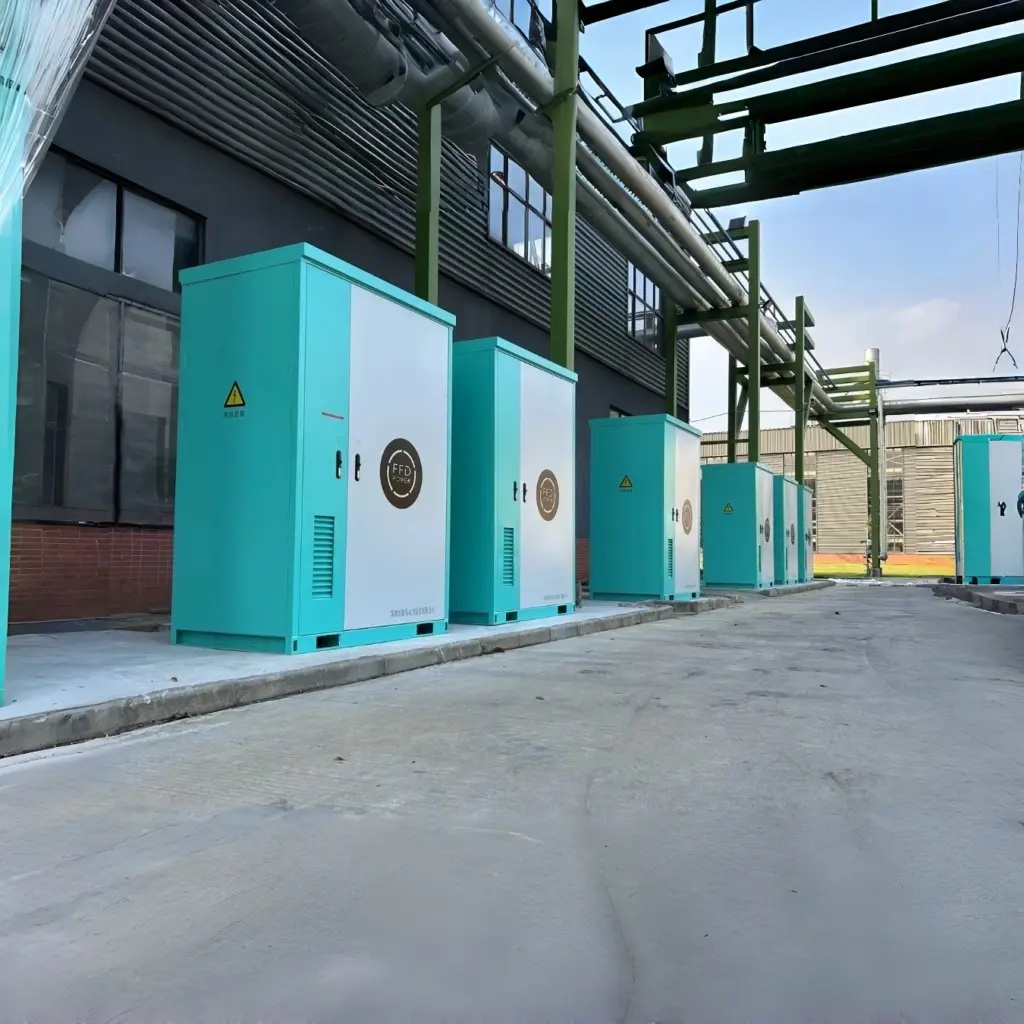
In response to Guangdong’s multi-period TOU tariff structure and rising industrial electricity costs, FFD POWER deployed a 1MW/2.15MWh BESS to enable TOU arbitrage for a factory in China. The EMS executes precise schedule-based dispatch to support two daily cycling. The system bridges the gap between low-cost valley hours and multiple daily peak-price windows by executing a two-charge/two-discharge strategy—charging at night valley tariffs and discharging during morning and afternoon critical peaks, while managing mid-day flat-price periods for optimized SOC scheduling. The project has maintained stable operation for three years.

Project Background
The customer operates an industrial facility in Guangdong, China, where TOU tariffs are typically structured as night-time valley periods, mid-day flat-price periods, and multiple daily critical-peak windows. This creates strong opportunities for storage-based cost optimization. To maximize savings, the project required a BESS capable of reliable high-frequency cycling—executing two charge and two discharge events per day—supported by accurate EMS scheduling and robust thermal and protection design for long-term availability.
Project Challenge
- Multi-Period TOU Tariffs: Valley at night, flat at mid-day, and critical peaks in both the morning and afternoon require optimized daily dispatch planning.
- Two-Charge Two-Discharge Operation: The system must support two cycles per day with stable performance and controlled degradation.
- Long-Term Stability: The customer required proven, stable operation over multiple years under frequent cycling.
FFD POWER Solution
FFD POWER delivered a grid-connected BESS with PCS and EMS control to reduce the factory’s electricity costs through TOU arbitrage. The EMS implements a two-charge/two-discharge strategy aligned with Guangdong’s tariff windows: the BESS charges during night valley hours, then discharges during morning and afternoon critical-peak periods to supply the plant loads and reduce peak-priced grid import. During mid-day flat-price periods, the EMS manages SOC and power limits to prepare for the next peak window. The system has maintained stable operation for three years under daily cycling, demonstrating reliable control and long-term availability.
System Specifications
- PV installed : N/A
- BESS POWER : 1,000 KW
- BESS Capacity : 2,150 KWH
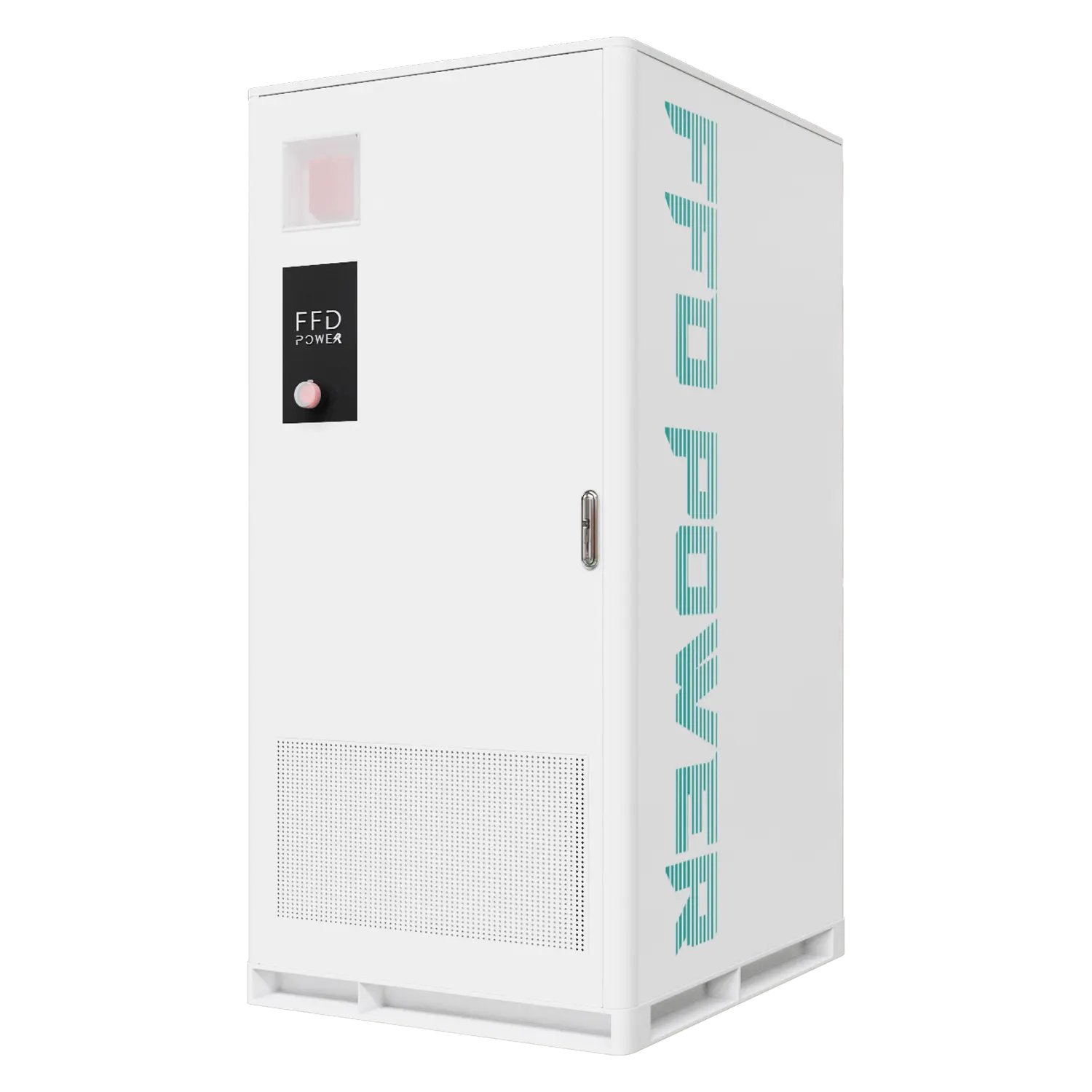
- Product used : Galaxy 215 all-in-one BESS Cabinet (100kW/215kWh) * 10 + EMS
- Architecture: Behind-the-Meter TOU Arbitrage with Two-Charge Two-Discharge Dispatch
Operational Logic: Two Daily Cycles TOU Arbitrage
The EMS schedules charging and discharging around Guangdong’s tariff windows to maximize savings while maintaining battery health:
- Night Valley Charging: The BESS charges during low-price night-time valley periods to secure low-cost energy for the morning peak window.
- Morning Peak Discharge: The PCS discharges the BESS to supply factory loads during the morning critical-peak period, reducing peak-priced grid import.
- Mid-Day Recharge & Afternoon Peak Discharge: During the mid-day flat-price period, the EMS recharges the BESS and manages SOC and power limits, then discharges again during the afternoon critical-peak window to complete the second daily cycle.