VSG Grid-Forming Backup with Multi-Transformer Integration in Bulgaria
Project Overview
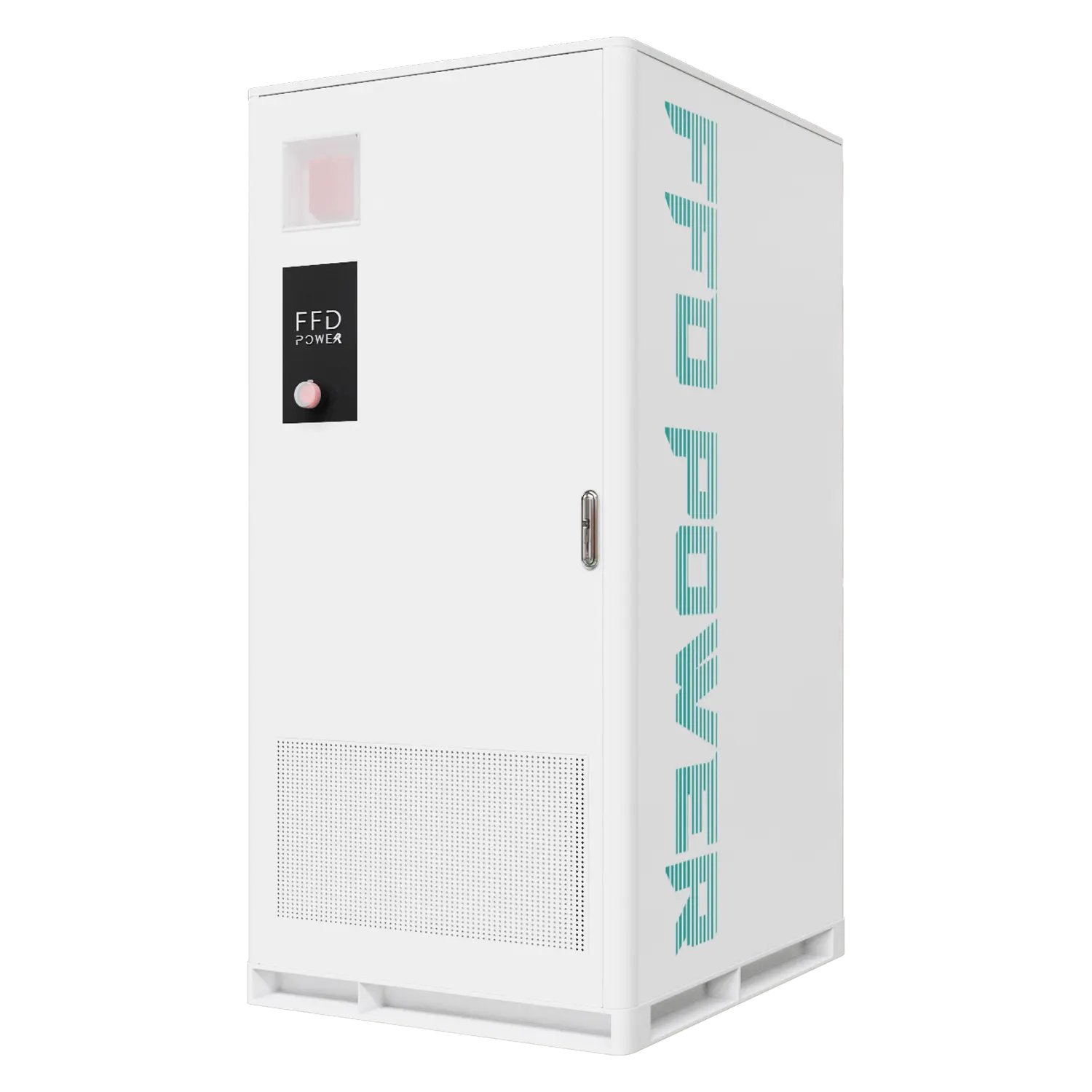
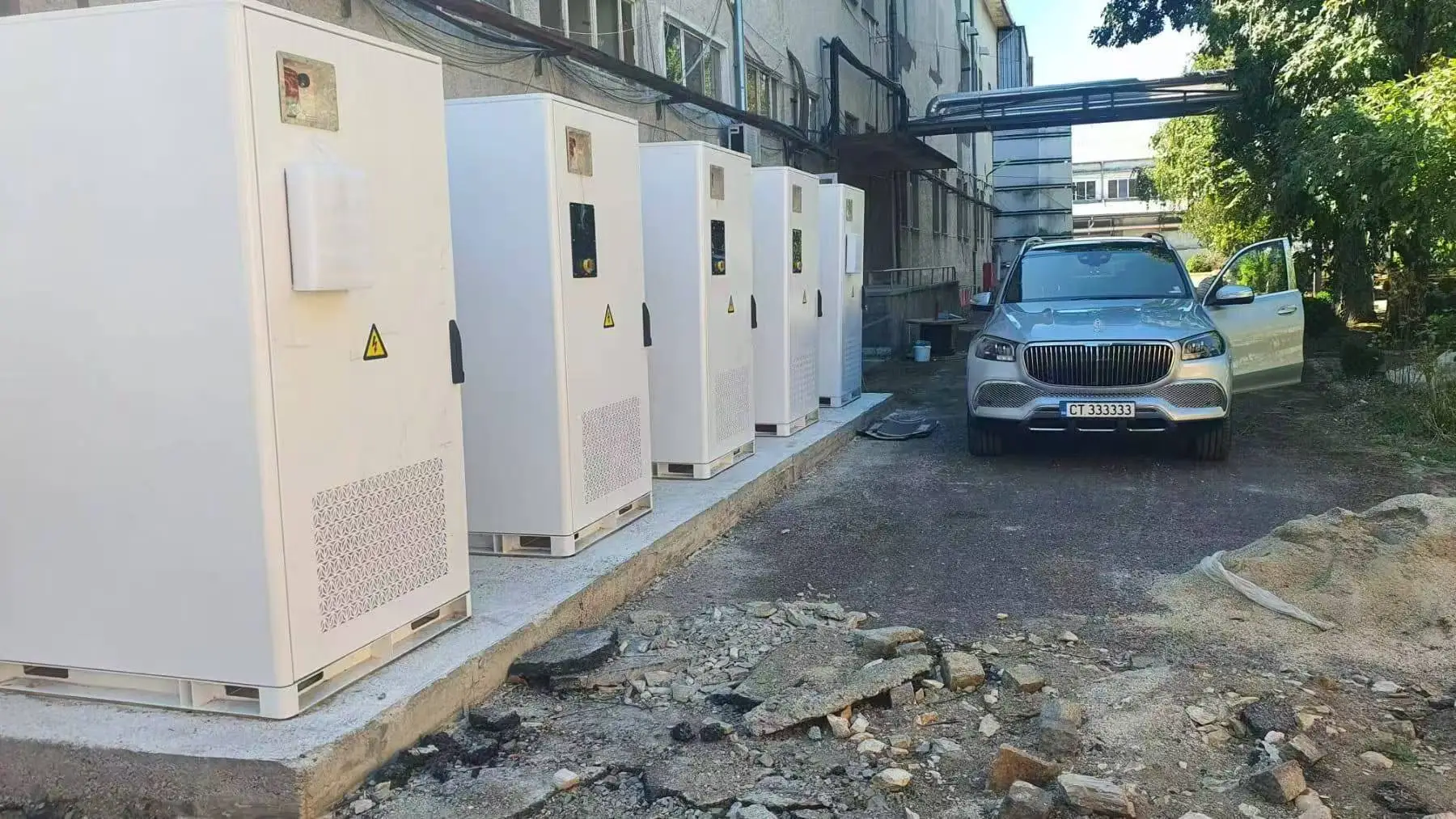
In response to intermittent grid outages and the need to maximize PV value at an industrial site, FFD POWER deployed a 1.05MW/2.33MWh BESS in Bulgaria to support PV arbitrage and grid-forming backup across three factory transformers. With 10 Galaxy 233L battery cabinets deployed in three independently connected groups, the project enables PV energy shifting and arbitrage under normal operation, and provides grid-forming backup power during outages—improving energy economics and operational continuity.
Project Background
The customer operates an industrial facility in Bulgaria with on-site PV and grid-tied inverters. While PV reduces daytime energy costs, grid interruptions can still occur, creating operational risk for critical loads. In addition, PV export or self-consumption may not always align with the most favorable electricity price periods. The project required a storage solution that could both improve PV economics through energy arbitrage and ensure continuity of supply during grid outages.
Project Challenge
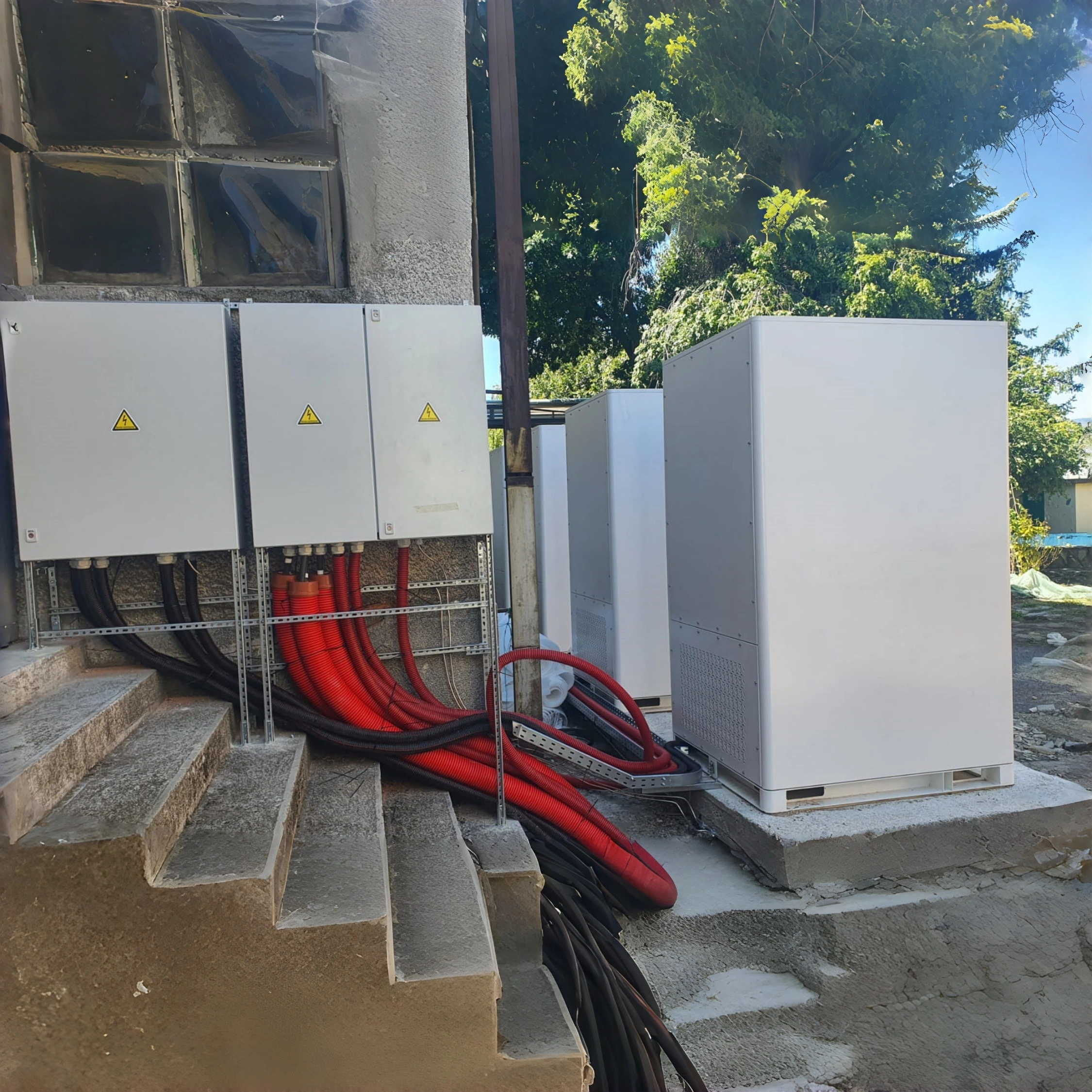
- Multi-Transformer Integration: 10 battery cabinets were split into three groups to connect to three factory step-down transformers, increasing integration and commissioning complexity.
- Grid Outages: Intermittent utility interruptions required reliable backup capability for the site.
- PV Value Maximization: The system needed to store surplus PV and dispatch energy at higher-value periods to improve project returns.
FFD POWER Solution
FFD POWER deployed 10 Galaxy 233L battery cabinets (total 1.05MW/2.33MWh) configured into three groups, each interfaced to one of the factory’s three step-down transformers. All groups are coordinated by the FFD POWER EMS for unified dispatch and optimized energy management. During normal grid-connected operation, the BESS performs PV energy shifting and arbitrage by charging from surplus PV (and optionally from the grid during low-price periods) and discharging when prices are higher. During grid outages, the PCS operates in VSG (grid-forming) mode to establish a stable local voltage and frequency reference, supplying prioritized loads and maintaining continuity.
System Specifications
- PV installed : Existing on-site PV with grid-tied inverter
- BESS POWER : 1,050 KW
- BESS Capacity : 2,330 KWH
- Product used : 10× Galaxy 233L all-in-one battery cabinets + FFD POWER EMS
- Architecture: Three-Group BESS Connected to Three Factory Transformers, Coordinated by EMS with VSG Backup
Operational Logic: PV Arbitrage with Grid-Forming Backup
The FFD POWER EMS coordinates three BESS groups to optimize PV utilization, arbitrage value, and outage resilience:
- PV Energy Arbitrage: PV supplies on-site loads first. Surplus PV charges the BESS; when PV is insufficient, charging can be scheduled during low-price grid periods. The BESS discharges during higher-price periods to improve project economics.
- Multi-Group Dispatch Across Transformers: The EMS dispatches the three BESS groups in a coordinated manner so each transformer-connected subsystem follows its setpoints while the overall site achieves a unified operational objective (price-based dispatch, power limits, and energy reservation).
- VSG Grid-Forming Backup: When the grid is lost, the PCS switches to VSG mode to form the microgrid and maintain voltage and frequency. The BESS supplies prioritized loads through the three transformer connections until the grid is restored.