
News
Fault Diagnosis and Preventive Maintenance Technologies in Energy Storage Systems
- October 31, 2025
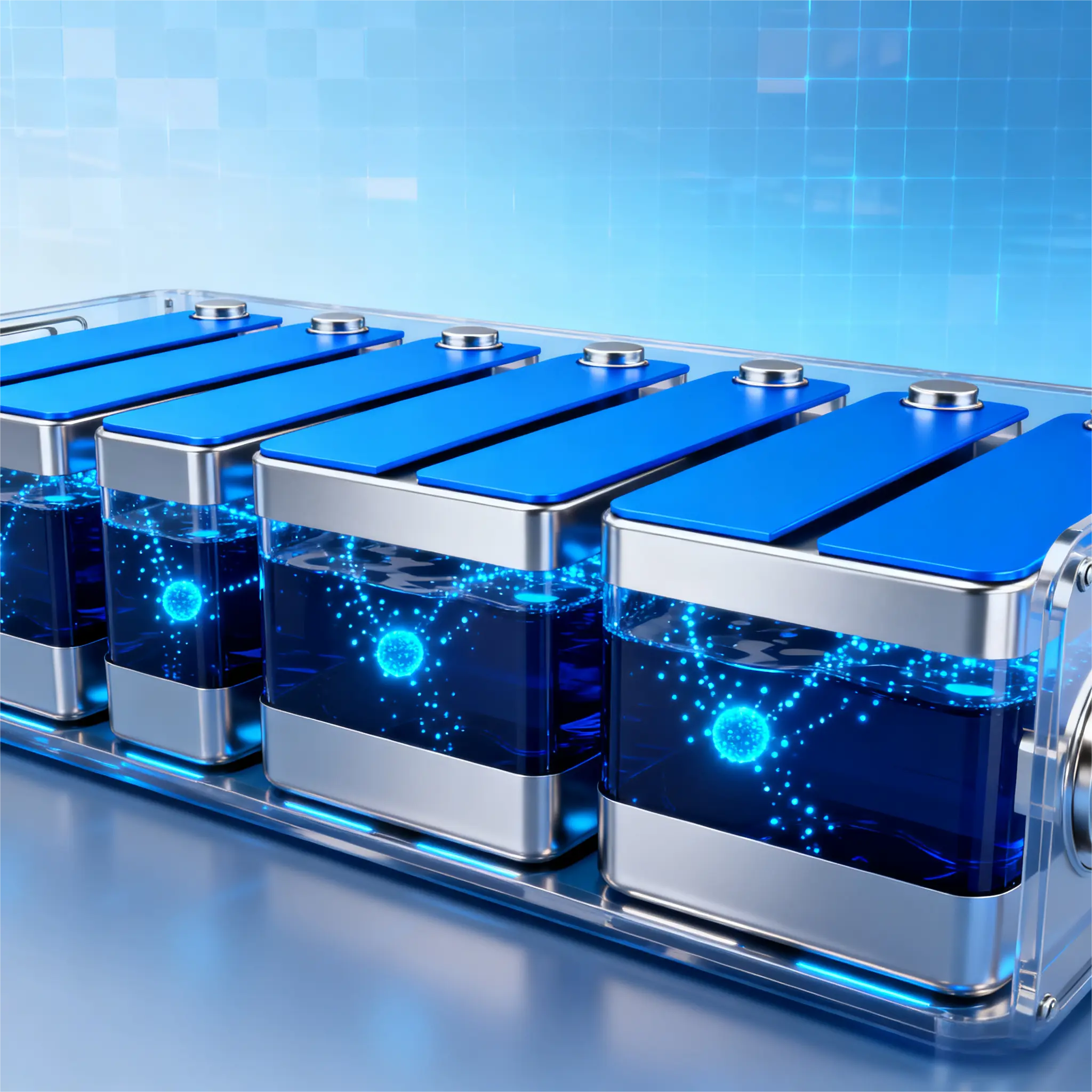
Energy storage systems (ESS) are critical for ensuring reliable power supply, optimizing energy use, and enabling renewable energy integration. However, just like any other complex technology, these systems are subject to wear and tear, performance degradation, and potential failures. To ensure the long-term efficiency and safety of ESS, fault diagnosis and preventive maintenance are key factors that must be considered. In this article, we explore the latest advancements in fault diagnosis and preventive maintenance technologies for energy storage systems.
Why Fault Diagnosis and Preventive Maintenance Are Essential
Energy storage systems often operate under heavy loads and varying environmental conditions, making them susceptible to malfunction. Early detection of faults and implementing preventive maintenance strategies can:
Enhance System Reliability: By addressing issues before they lead to failures, overall system reliability improves.
Extend Service Life: Regular maintenance prevents wear and tear, leading to longer lifespans for ESS components, especially batteries.
Optimize Performance: A well-maintained system runs at its peak efficiency, reducing operational costs and ensuring that energy storage solutions function as intended.
Ensure Safety: Faults like thermal runaway or short circuits can pose serious safety risks. Early detection helps avoid hazardous situations.
Key Technologies in Fault Diagnosis
Fault diagnosis involves identifying problems within an ESS before they escalate into more serious issues. Here are some of the advanced technologies used for fault detection:
a. Real-Time Monitoring Systems
Real-time monitoring systems are the backbone of modern ESS. By continuously tracking various parameters such as voltage, current, temperature, and state of charge (SoC), these systems can detect irregularities and anomalies in real time. Advanced sensors, integrated with the Battery Management System (BMS), can send alerts in case any critical thresholds are exceeded, allowing operators to act quickly.
Benefits: Continuous monitoring ensures the system operates within safe parameters, and early detection can reduce the likelihood of costly repairs or system shutdowns.
b. Predictive Analytics Using AI
Artificial Intelligence (AI) and machine learning algorithms have revolutionized fault diagnosis in ESS. These systems can analyze massive datasets to predict potential failures based on historical performance, environmental conditions, and operational trends. By identifying patterns in data, AI can predict battery degradation, component wear, or any imminent failure, even before it occurs.
Benefits: AI-powered diagnostics enhance the accuracy of fault detection, allowing for predictive maintenance scheduling, which minimizes downtime and costs.
c. Thermal Imaging Cameras
Thermal cameras are essential for identifying hotspots in ESS, particularly within battery packs and power electronics. These cameras detect abnormal temperature changes, which can indicate internal faults, such as a failing cell or thermal runaway. Thermal imaging is a non-invasive, real-time method for identifying problem areas before they cause significant damage.
Benefits: Quick identification of hot spots ensures that overheating issues are addressed before they lead to dangerous situations or system damage.
d. Vibration Analysis
Vibration analysis is a crucial diagnostic tool for mechanical components in energy storage systems, especially in larger, industrial-scale systems. Vibration sensors monitor movements within the ESS, detecting changes in vibration patterns that indicate problems with motors, fans, or other moving parts.
Benefits: Early identification of mechanical issues ensures efficient maintenance of the system, preventing potential mechanical failures.
Preventive Maintenance: Best Practices and Technologies
Preventive maintenance focuses on regularly scheduled activities designed to prevent faults from occurring. Here are some of the best practices and technologies used in preventive maintenance for ESS:
a. Scheduled Battery Maintenance
Batteries are the core components of most ESS, and ensuring their health is critical. Preventive maintenance practices include regularly checking the battery’s voltage, state of charge (SoC), and state of health (SoH). Battery equalization processes, such as active or passive balancing, help ensure that individual cells within the battery pack charge and discharge uniformly, improving the system’s overall performance and lifespan.
Benefits: Regular battery health checks and maintenance help prevent issues such as capacity loss, imbalance, or thermal runaway.
b. Condition-Based Monitoring
Condition-based monitoring is a maintenance strategy where the system continuously monitors the condition of ESS components (e.g., batteries, inverters, and cooling systems). Maintenance is performed only when the condition of the components falls below certain thresholds. This approach helps optimize resources and ensures that maintenance efforts are focused on the components that need attention.
Benefits: This approach minimizes unnecessary downtime and reduces maintenance costs, while still ensuring the system operates optimally.
c. Cleaning and Dust Removal
One often overlooked but critical maintenance activity is regular cleaning. Dust and debris accumulation on components such as inverters and batteries can affect system performance, causing overheating or damage. Preventive cleaning, including regular removal of dirt and dust from electronic components, cooling fans, and vents, can significantly improve the efficiency of the ESS.
Benefits: A cleaner environment ensures better heat dissipation, preventing overheating, and extending the lifespan of components.
d. Firmware and Software Updates
Firmware and software updates play a crucial role in maintaining the performance of energy storage systems. Manufacturers regularly release updates to improve system performance, introduce new features, or patch security vulnerabilities. It is essential to keep the system’s software and firmware up to date to avoid issues related to compatibility or security.
Benefits: Regular updates ensure that the system benefits from the latest performance improvements and security enhancements.
e. Thermal Management and Cooling Systems
Thermal management is a critical aspect of ESS maintenance, particularly in large systems where heat buildup can significantly impact battery and system performance. Preventive maintenance for cooling systems, including checking for proper airflow, cleaning cooling fans, and ensuring the cooling system operates within the optimal temperature range, is essential for maintaining system performance.
Benefits: Effective thermal management reduces the risk of overheating and extends the lifespan of sensitive components like batteries.
Benefits of Fault Diagnosis and Preventive Maintenance
Minimized Downtime: Identifying and addressing issues before they lead to system failure ensures continuous operation, avoiding unexpected downtime and disruptions.
Cost Efficiency: Preventive maintenance reduces the need for costly emergency repairs, replacements, and downtime.
Extended Equipment Life: Regular diagnostics and maintenance extend the operational lifespan of ESS components, offering better returns on investment.
Improved Safety: Fault diagnosis helps detect safety issues early, reducing the risk of hazardous events such as fires or electric shocks.
Optimized Performance: Proper maintenance ensures that the system operates efficiently, which can result in energy savings and improved ROI.
Conclusion
Fault diagnosis and preventive maintenance are essential to maximizing the performance, safety, and longevity of energy storage systems. By leveraging advanced technologies such as AI-powered analytics, thermal imaging, and vibration analysis, ESS operators can proactively manage potential issues. Preventive maintenance practices like scheduled battery checks, cleaning, and cooling system management further ensure that energy storage systems continue to function optimally.
By integrating these technologies into ESS management strategies, businesses can reduce costs, increase reliability, and improve overall system efficiency, leading to a more sustainable and secure energy future.