
News
Energy Storage Protection Engineering Design for Harsh Environments: High Temperature, Humidity, Salt Fog, and Dust
- October 27, 2025
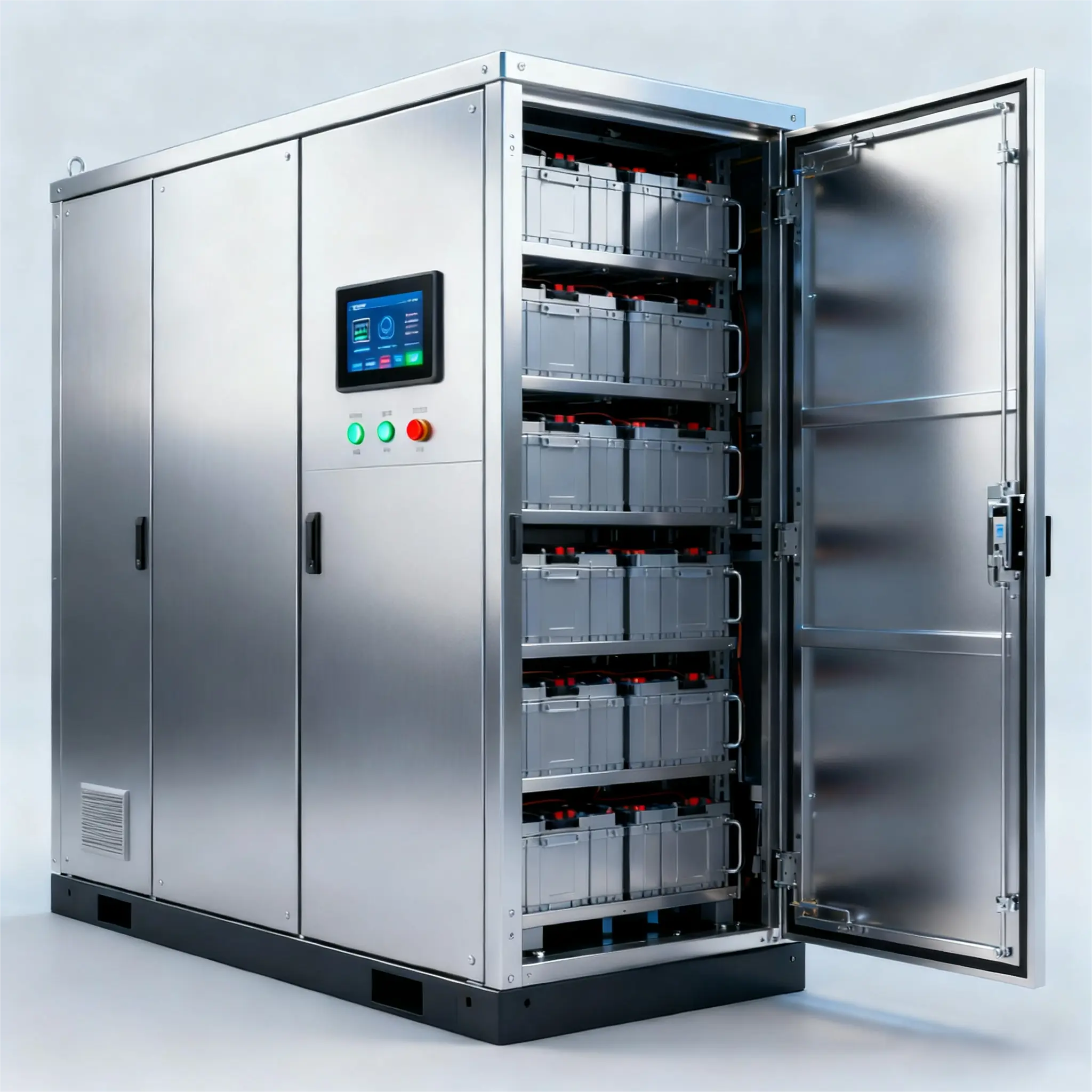
Energy storage systems (ESS) are increasingly deployed in challenging environments worldwide, including tropical climates, coastal regions, and desert areas. In such locations, high temperature, high humidity, salt corrosion, and dust exposure can severely impact the performance, safety, and service life of batteries and associated equipment. Designing ESS with proper protection levels is essential for achieving long-term reliability, safety, and economic return.
This article explores key engineering strategies and design principles to protect ESS in harsh environmental conditions, focusing on thermal management, enclosure protection, corrosion resistance, dust mitigation, and compliance standards.
Environmental Challenges for ESS
High Temperature:
Accelerates battery degradation, reducing cycle life and energy retention.
Increases risk of thermal runaway if internal heat is not properly managed.
High Humidity:
Leads to condensation inside battery modules and PCS cabinets.
Can cause short circuits or corrosion of electronic components.
Salt Fog / Coastal Environment:
Accelerates corrosion of metal enclosures, connectors, and terminals.
Reduces insulation reliability and increases maintenance requirements.
Dust and Sand:
Ingress of fine particles into enclosures can obstruct cooling systems.
Accelerates wear on moving components (e.g., fans) and can lead to electrical shorts.
Engineering Design Principles for Protection
To ensure ESS reliability under harsh conditions, engineers should apply the following design strategies:
a. Enclosure Rating (IP/NEMA Standards):
Select enclosures with IP65 or higher for dust and water resistance in desert environments.
For coastal or high-humidity sites, consider IP66/IP67 to prevent water ingress and condensation.
Material selection (e.g., powder-coated stainless steel, aluminum alloys) is critical for corrosion resistance.
b. Thermal Management:
Use active cooling (fans, liquid cooling) for high-temperature sites to maintain optimal battery temperature.
Integrate thermal insulation and heat shields where necessary to reduce environmental heat impact.
Include temperature sensors for real-time monitoring and EMS control.
c. Anti-Corrosion Measures:
Apply corrosion-resistant coatings to metal surfaces.
Choose marine-grade connectors and fasteners for coastal installations.
Implement regular inspection and maintenance schedules to detect early signs of corrosion.
d. Dust & Particle Protection:
Install air filters and positive-pressure ventilation systems to prevent ingress of dust and sand.
Ensure that cooling airflow paths are sealed and filtered.
Regularly clean and inspect filters to maintain airflow efficiency.
e. Environmental Monitoring & EMS Integration:
Use sensors to monitor temperature, humidity, and particulate matter.
Integrate EMS logic to trigger alarms or system shutdown if environmental thresholds are exceeded.
Real-time monitoring improves safety and enables predictive maintenance.
Case-Based Design Recommendations
Tropical/High-Humidity Sites:
IP66 enclosure, corrosion-resistant coatings, dehumidifiers inside cabinets, thermal management with airflow optimization.
Coastal / Salt-Fog Sites:
Marine-grade fasteners and connectors, anti-corrosion coating, sealed IP67 cabinets, regular surface inspections.
Desert / Dusty Sites:
IP65/IP66 enclosures, high-quality air filters, positive-pressure ventilation, temperature-controlled cooling systems.
High-Temperature Industrial Sites:
Forced-air cooling or liquid cooling, heat shields, thermal insulation, temperature-controlled EMS triggers.
Standards & Compliance Considerations
IP (Ingress Protection) Standards: IP65–IP67 recommended for outdoor harsh environments.
NEMA Standards: NEMA 3R/4/4X for corrosion and dust protection.
UL / IEC Standards: Ensure batteries and PCS comply with UL1973 / IEC 62619 for safety in harsh conditions.
Material & Coating Standards: ASTM B117 for salt-spray corrosion testing, ISO 12944 for coatings durability.
Benefits of Proper Environmental Protection
Extended Battery Life: Reduces accelerated aging caused by heat, humidity, and corrosion.
Operational Reliability: Prevents unplanned downtime due to environmental damage.
Safety Assurance: Minimizes risk of short circuits, thermal events, and component failure.
Reduced Maintenance Costs: Fewer component replacements and longer inspection intervals.
Optimized ROI: Maximizes system performance and energy yield over the project lifespan.
Conclusion Designing energy st
Designing energy storage systems for harsh environments requires a holistic approach: selecting appropriate enclosure ratings, corrosion-resistant materials, thermal management strategies, dust protection, and EMS integration. By implementing these engineering principles, ESS projects can maintain safety, reliability, and high performance even in high temperature, high humidity, salt-fog, and dusty environments.
FFD POWER EMS enhances these protections by providing real-time monitoring, predictive maintenance, and environmental threshold control, ensuring every ESS installation operates at peak efficiency and safety.