News
How Industrial Users Can Reduce Demand Charges with Energy Storage
- October 10, 2025
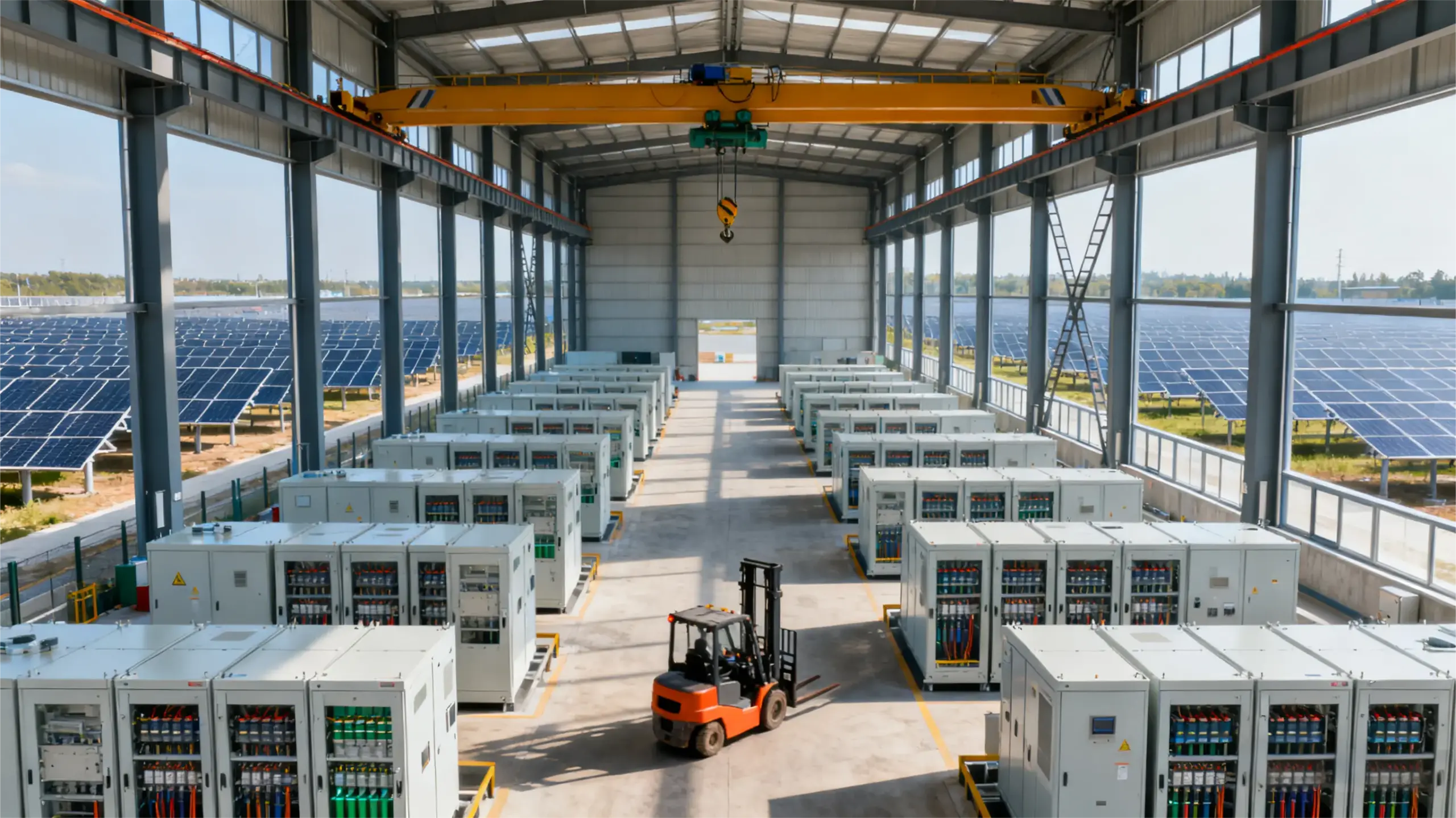
For industrial electricity users, electricity bills often consist of energy charges (based on total kWh consumed) and demand charges (based on peak kW usage). While energy charges are predictable, demand charges can account for up to 40–60% of total electricity costs.
Energy storage systems (ESS) are a proven solution to manage peak demand, reduce costs, and improve operational efficiency.
What Are Demand Charges?
Definition: Demand charges are fees based on the highest power drawn from the grid during a billing period.
Impact on Industrial Users: Factories, warehouses, and manufacturing plants often have short periods of peak load that trigger high demand fees.
Challenge: Even if overall energy consumption is moderate, a few minutes of peak usage can significantly increase the bill.
How Energy Storage Helps Lower Demand Charges
Energy storage systems help industrial users shift peak loads by supplying stored energy during periods of high demand. This approach is often called peak shaving.
Key Mechanisms:
Peak Shaving
The ESS discharges during peak demand, reducing the power drawn from the grid.
Prevents spikes that trigger higher demand charges.
Load Shifting
Stores energy during off-peak or low-tariff periods.
Discharges during peak hours to reduce grid dependency and lower costs.
Grid Support and Optimization
Advanced ESS with an Energy Management System (EMS) can monitor real-time loads and electricity prices.
Optimizes charge/discharge schedules to minimize both energy and demand charges.
Benefits for Industrial Users
Significant Cost Savings: Reduces demand charges by managing peaks intelligently.
Improved Grid Reliability: Avoids overloading the grid during peak periods.
Energy Efficiency: Enables better utilization of stored energy and renewable sources like solar PV.
Operational Flexibility: Provides backup power during outages, ensuring continuity.
Example: A manufacturing plant with a 1 MW peak load can reduce its monthly demand charge by 20–30% using a 500 kWh ESS for peak shaving.
Design Considerations for Industrial ESS
Sizing
ESS must be sized appropriately for peak shaving and load management.
Consider both energy capacity (kWh) and power capacity (kW).
Battery Type
Lithium Iron Phosphate (LFP) batteries are preferred for long cycle life, safety, and efficiency.
Integration with EMS
Intelligent EMS provides real-time load forecasting, dynamic optimization, and alerts for potential issues.
Scalability
Modular systems allow incremental expansion as energy demand grows.
Safety Measures
Thermal management, BMS protection, and redundant safety systems ensure safe operation in industrial environments.
FFD POWER Solutions for Industrial Demand Charge Management
FFD POWER designs industrial ESS with optimized peak shaving strategies:
High-performance LFP batteries for reliable, long-term operation
AI-powered EMS for dynamic load management and demand charge reduction
Flexible deployment: On-grid, off-grid, or hybrid solutions tailored to industrial needs
Full lifecycle support: Site survey, design, installation, and ongoing maintenance
These solutions help industrial users achieve maximum cost savings, energy efficiency, and operational reliability.
Conclusion
Industrial users face high demand charges that can dominate electricity bills. Energy storage systems provide a practical, scalable, and cost-effective solution by reducing peak demand, enabling load shifting, and optimizing energy use.
By implementing properly sized ESS with intelligent EMS, industrial facilities can achieve:
Lower electricity costs
Improved grid reliability
Enhanced energy efficiency
Greater operational resilience
Investing in ESS is no longer just an option—it’s a strategic move to control costs and improve energy performance in industrial operations.