Peak Shaving and Fast-Charging Load Support on a 400V LV Bus in Morocco
Project Overview
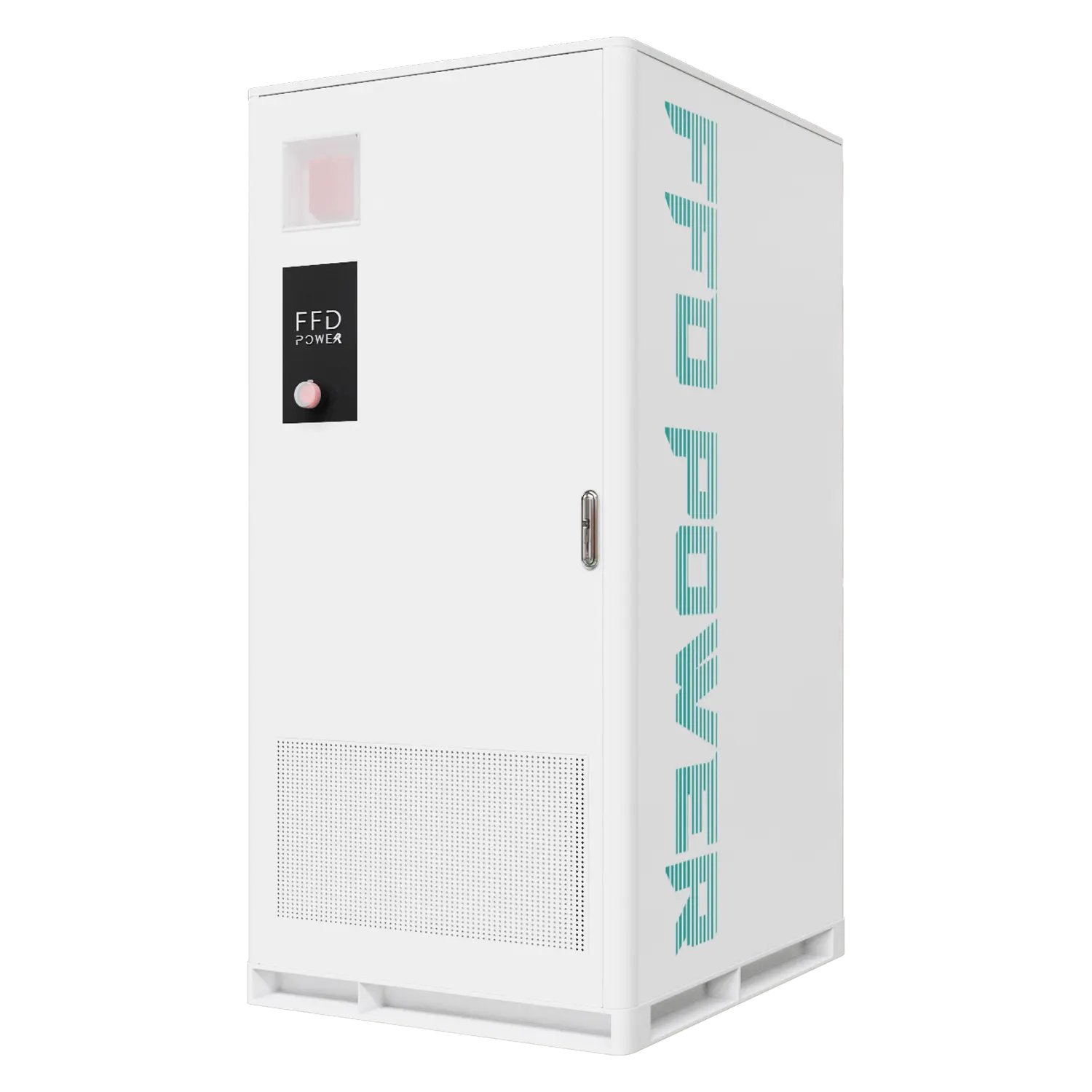
In response to the need to enable high-power EV charging without costly grid upgrades, FFD POWER deployed a 1,000 KW/2,610 KWH BESS in Morocco for an EV charging station to provide peak shaving and power buffering. The project bridges the gap between constrained LV grid capacity and the high instantaneous power demand of fast chargers by using storage-based power buffering. By charging the battery during lower-demand periods and discharging during charging peaks, the system reduces grid impact, limits demand charges, and improves charging station throughput while maintaining stable power quality on the 400V bus.
Project Background
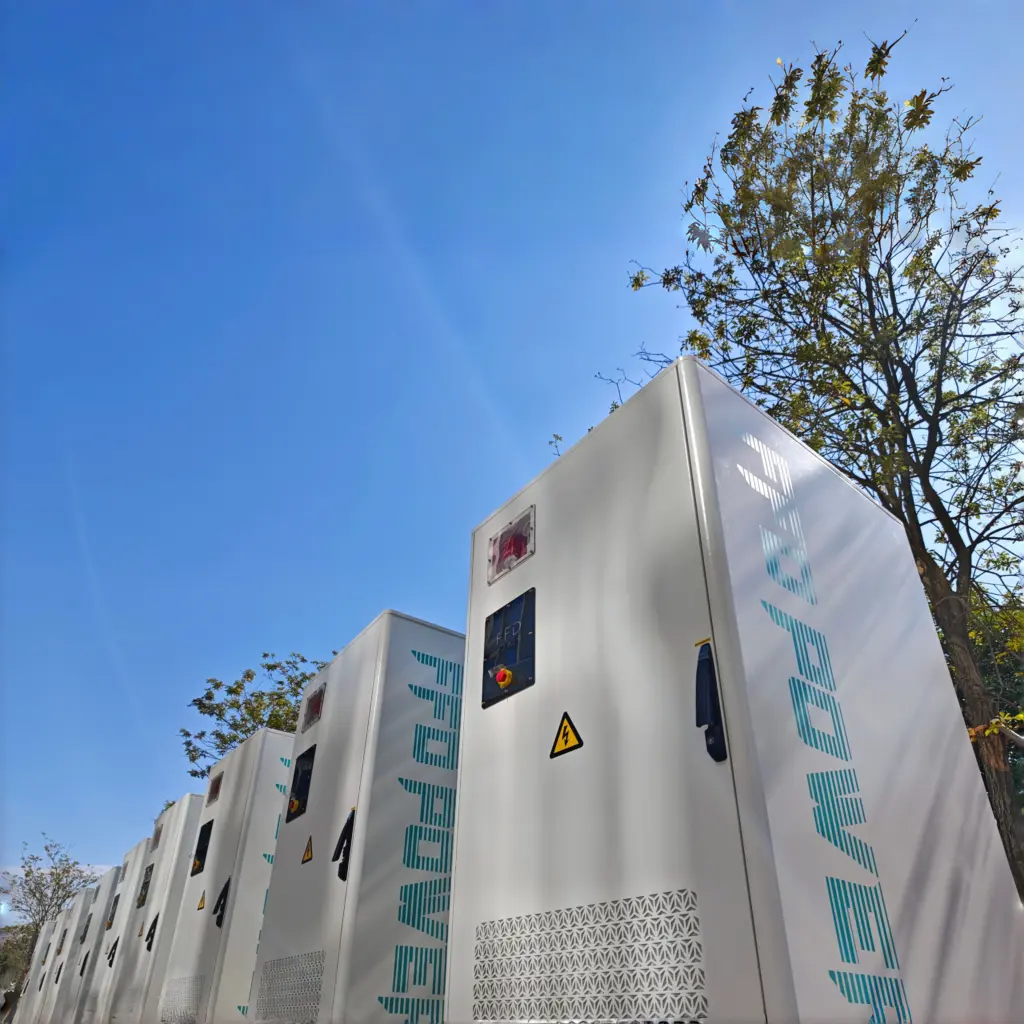
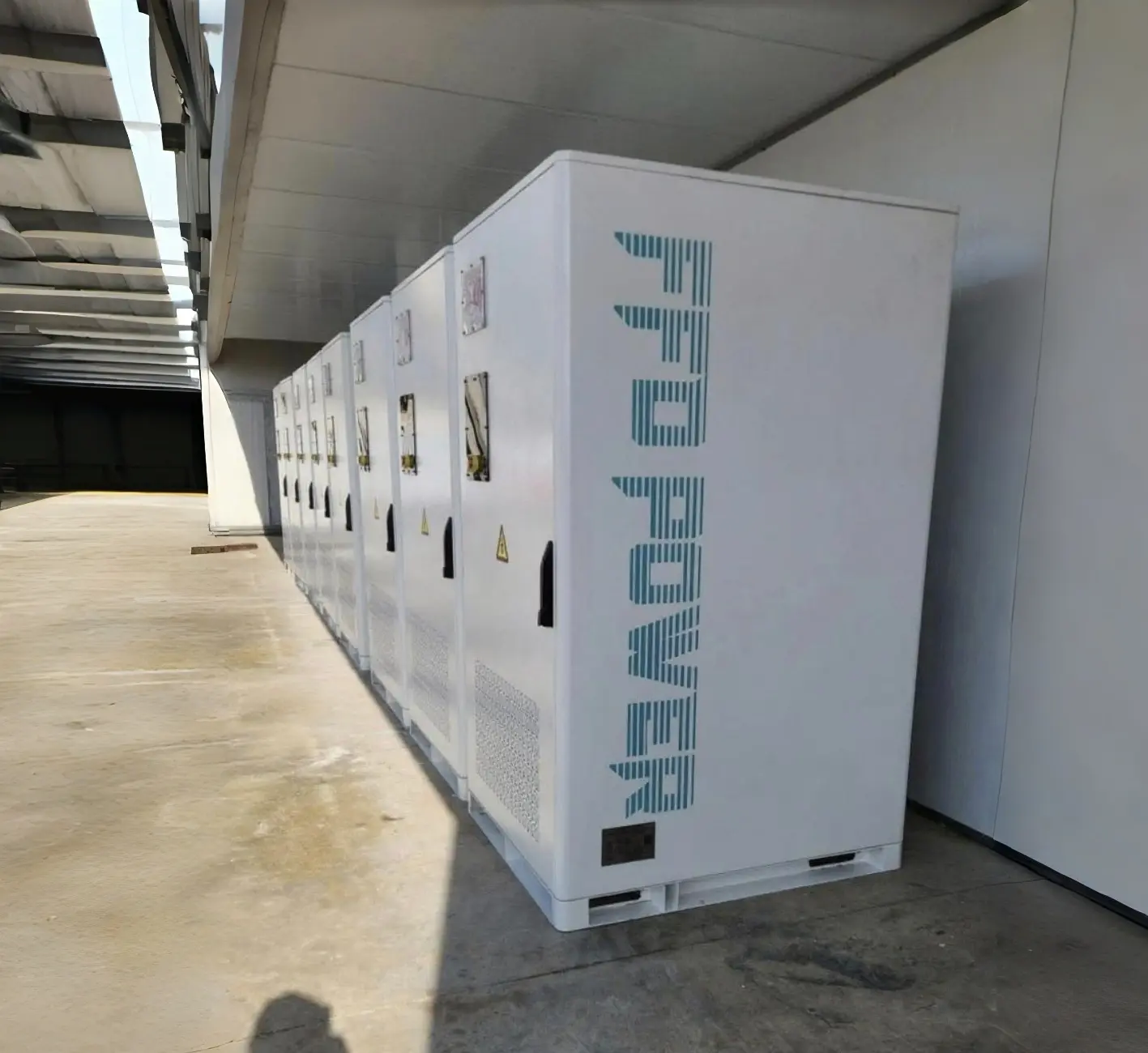
The customer developed an EV charging station in Morocco. Fast chargers introduce high and rapidly changing power demand, which can exceed available low-voltage grid capacity or lead to expensive demand charges. The project required an integrated BESS to buffer charging peaks, smooth power draw at the point of common coupling, and maintain stable voltage on the 400 V bus. The solution was deployed with a modular cabinet architecture (10× Galaxy 261) to support scalable power, simplified O&M, and reliable multi-unit operation.
Project Challenge
- Fast-Charging Peak Demand: EV fast charging creates high peak power demand that can exceed available grid capacity and increase demand charges.
- 400 V LV Integration: The system must integrate on a low-voltage bus and support stable operation under rapid load changes
- Multi-Unit Coordination: Parallel cabinets require coordinated control for SOC balancing, power sharing, and safe long-term dispatch.
FFD POWER Solution
FFD POWER delivered a 1,000 KW/2,610 KWH BESS for an EV charging station in Morocco, deployed as 10× Galaxy 261 units integrated on a 400 V LV bus. The EMS monitors charging load and grid limits, charging the battery during off-peak periods and discharging during charging peaks to cap grid import and buffer fast load ramps. This reduces grid stress and demand charges while maintaining stable voltage and power quality for chargers. Coordinated SOC balancing and power limiting across all cabinets ensures consistent dispatch and long-term operational reliability.
System Specifications
- Site Type : EV charging station
- BESS POWER : 1,000 KW
- BESS Capacity : 2,610 KWH
- Product used : 10× Galaxy 261 all-in-one Cabinet (100kW/261kWh Unit) + EMS
- Architecture: EV Charging Peak Shaving BESS on 400 V LV Bus with Modular Multi-Cabinet Deployment
Operational Logic: Power Buffering for Fast Charging
The EMS coordinates battery dispatch to buffer charging peaks and stabilize the LV bus:
- Off-Peak Charging: The BESS charges during lower-demand periods within configured grid import limits to prepare energy for peak events.
- Peak Shaving Discharge: When EV chargers ramp up, the BESS discharges to supply part of the load and cap grid import, reducing demand charges and avoiding overload.
- Ramp-Rate and Power Quality Support: Fast inverter response smooths load transients and maintains stable voltage and frequency for charger reliability.