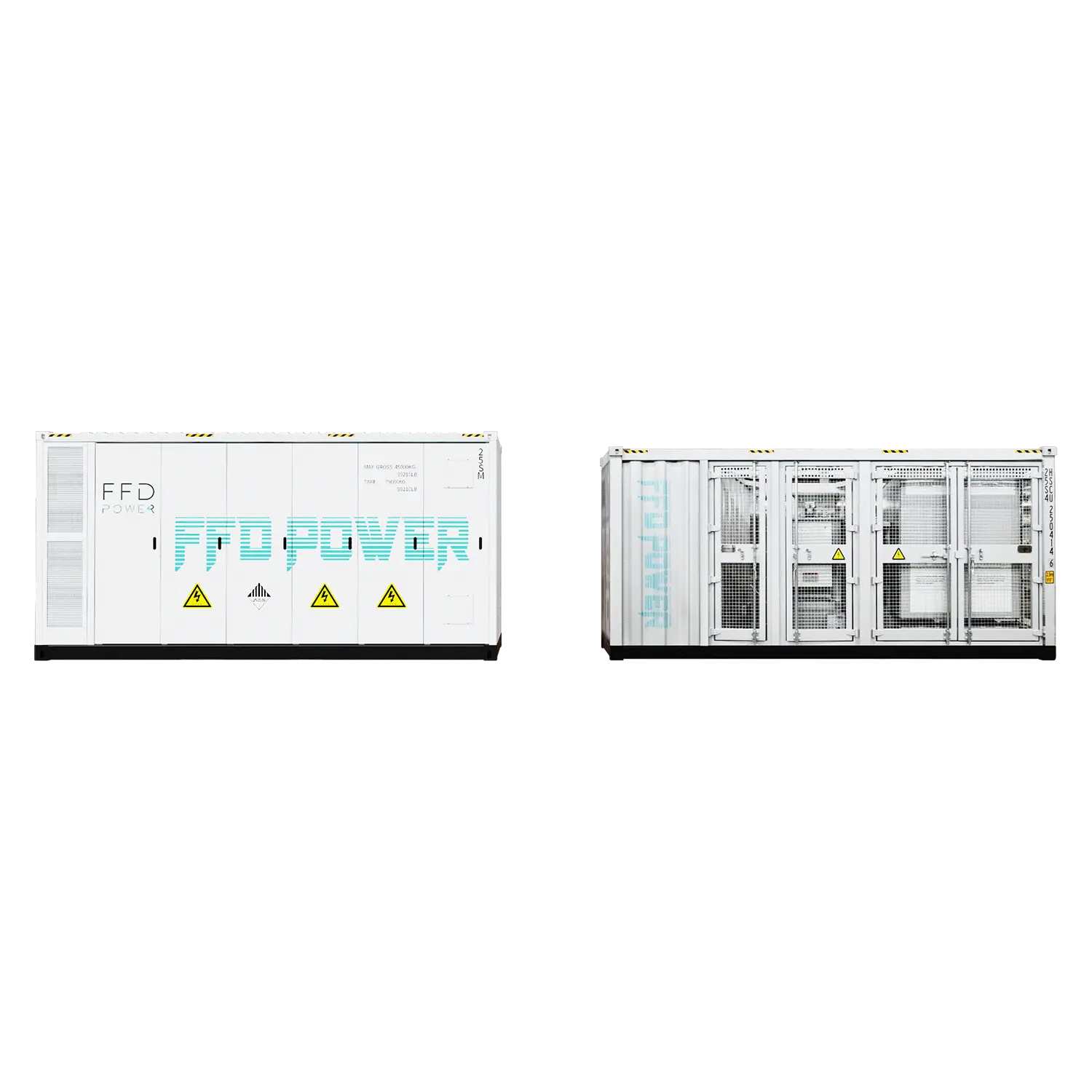
2.5MW/6.8MWh in Israel
Project Overview
In response to Israel’s accelerating commercial solar adoption and widening time-of-use tariff spreads, FFD POWER deployed a 2.5MW/6.8MWh on-grid battery energy storage system (BESS) to increase PV self-consumption and capture arbitrage value. This project demonstrates how a BESS can bridge the operational gap between variable PV generation and a continuous factory load, while shifting energy from low-price night hours to higher-value daytime periods.

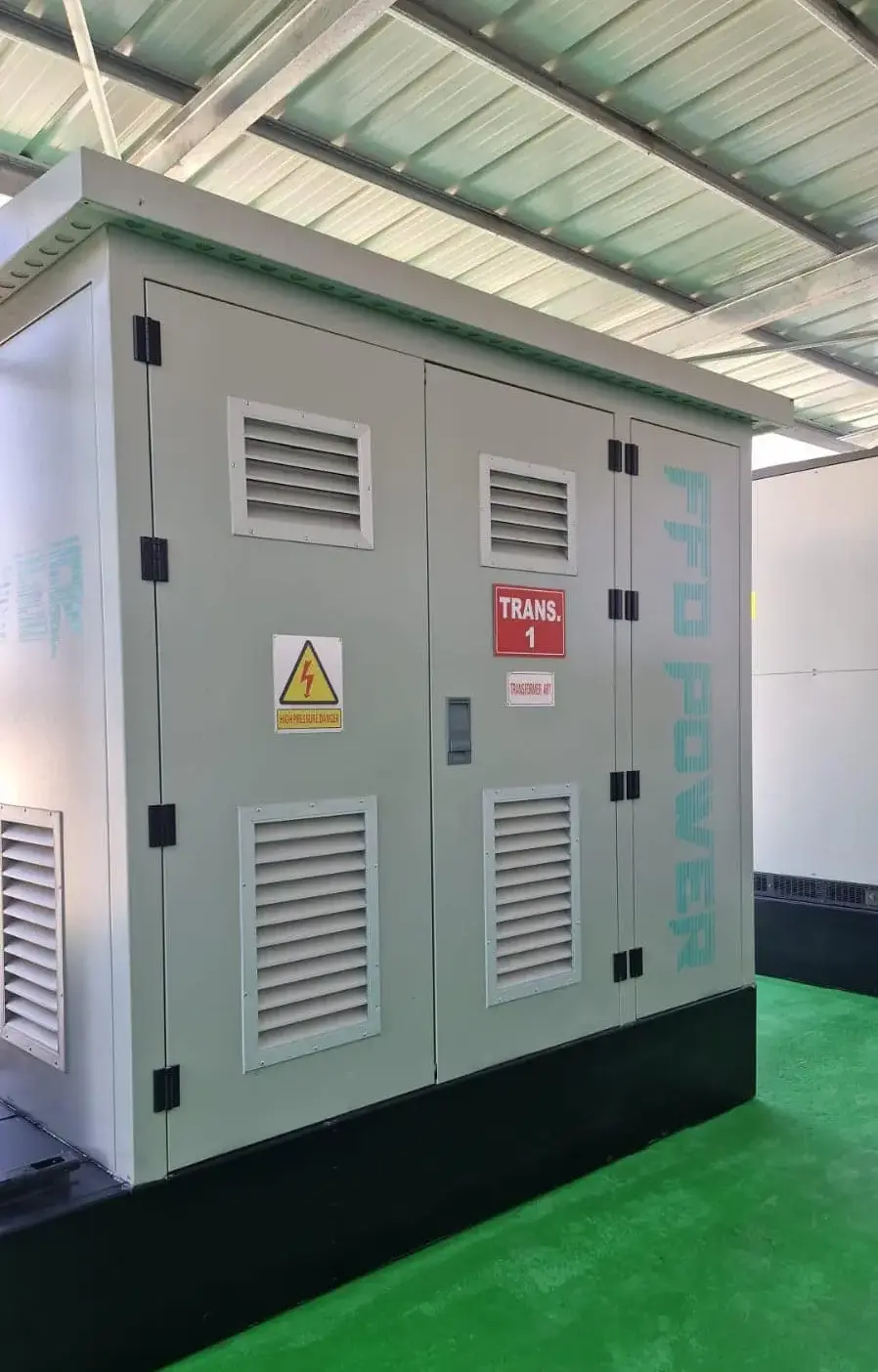
Project Background
For industrial users operating under time-of-use pricing, electricity costs are driven not only by total consumption, but also by when energy is imported from the grid. With a 2MW onsite PV array and a 1MW factory load, the site benefits from strong daytime solar production but still faces intermittency, surplus generation windows, and tariff volatility. A on-grid BESS enables controlled energy shifting to maximize onsite solar utilization and reduce purchased energy at peak prices.
Project Challenge
- PV Variability and Surplus: Solar output does not always align with factory demand, creating surplus periods and low self-consumption.
- Tariff-Driven Cost Pressure: Meaningful price differentials between night valley hours and daytime tariffs create a clear arbitrage opportunity that must be managed precisely.
- Dispatch Coordination: Charging and discharging must be synchronized with PV output, load demand, and SoC limits to avoid unnecessary grid import and maintain operational stability.
FFD POWER Solution
FFD POWER implemented a on-grid BESS integrated with the site PV system and controlled by an intelligent Energy Management System (EMS), creating a flexible energy buffer between generation, load, and tariffs. The EMS prioritizes PV surplus capture for self-consumption and schedules tariff-aware charging/discharging to maximize economic returns while respecting SoC and operational constraints.
System Specifications
- PV installed : 2 MW
- BESS POWER : 2.5 MW
- BESS capacity : 6.8 MWH
- Supported load : 1 MW factory load
- Product used : Galaxy 3420 + 1,250 kW PCS (×2 sets)
- Architecture: On-Grid BESS + EMS-coordinated PV integration and time-of-use arbitrage
Operational Logic: The "Self-Consumption + Arbitrage" Strategy
This EMS-driven dispatch strategy prioritizes PV self-consumption while using low-tariff night charging to reduce daytime grid imports and maximize time-of-use savings:
- PV Surplus Capture: When PV generation exceeds site demand, the BESS absorbs surplus energy to increase PV self-consumption and reduce export/curtailment risk.
- Valley Charging (00:00-08:00): During low-price night hours, the BESS charges from the grid to prepare for daytime discharge and cost optimization.
- Daytime Discharge: Stored energy is dispatched to supply the factory load and reduce grid import during higher tariff periods, delivering time-of-use arbitrage value.