Netzstabilisierung
FCR ist ein essenzieller Dienst im Stromnetz, der darauf ausgelegt ist, die Systemstabilität durch automatische Reaktion auf Frequenzabweichungen aufrechtzuerhalten. Er fungiert als erste Verteidigungslinie, wenn das Gleichgewicht zwischen Stromerzeugung und -verbrauch gestört ist, etwa bei einem plötzlichen Ausfall der Stromerzeugung oder einem Nachfragespitze.
Was macht FCR besonders?
Die Primärregelleistung (FCR) ist entscheidend für die Aufrechterhaltung der Netzstabilität und erfordert präzise sowie schnelle Reaktionsfähigkeiten. Im Gegensatz zu anderen Anwendungen, die sich auf Energieoptimierung oder Integration konzentrieren, stellt FCR besonders hohe Anforderungen an spezialisierte Technologien und komplexe Algorithmen, um das Netz in Echtzeit im Gleichgewicht zu halten. Die Komplexität des FCR-Managements kann herausfordernd sein – doch genau hier liegen unsere Stärken.
Unsere einsatzbereite FCR-Lösung
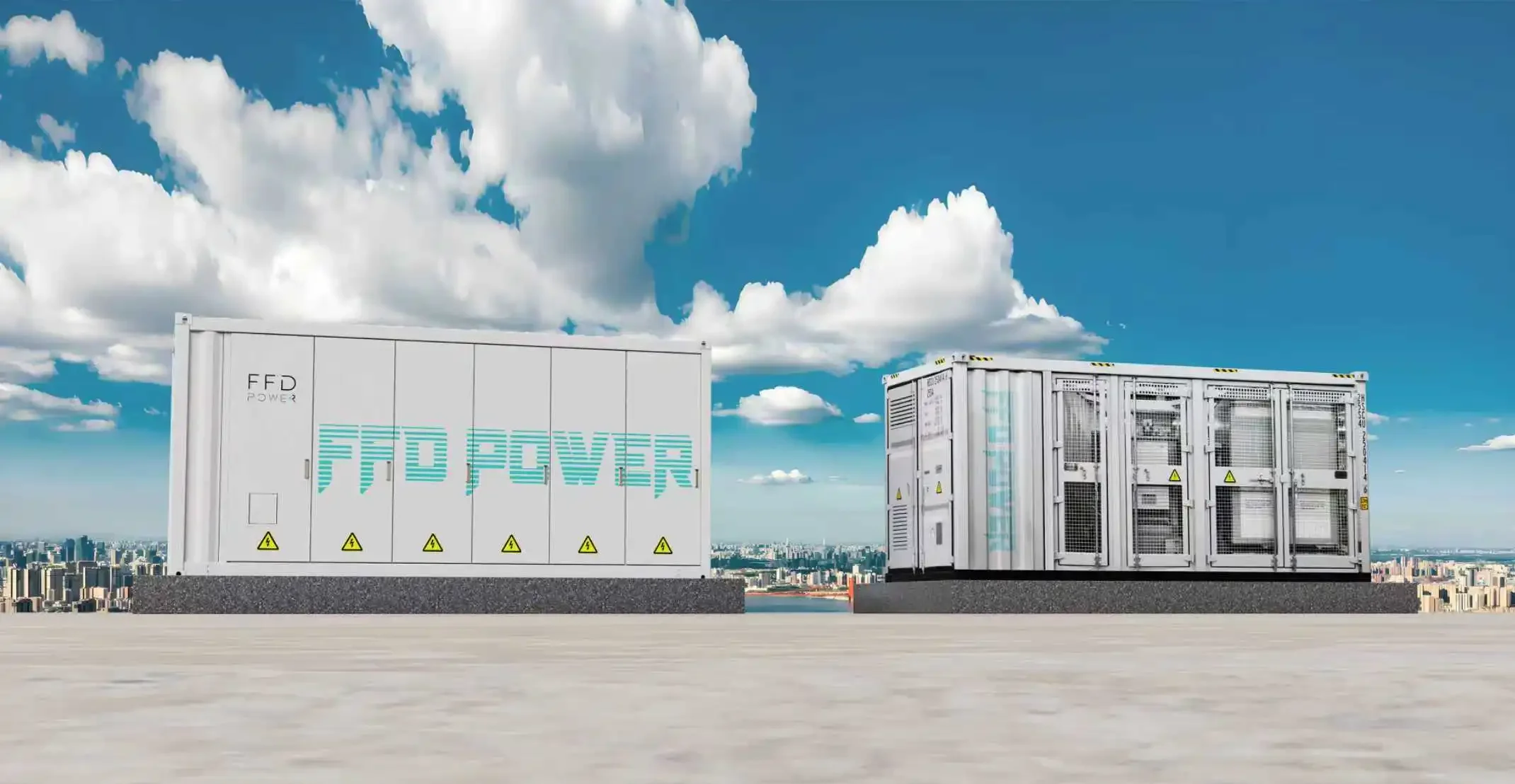
Bei FFD Power vereinfachen wir die Komplexität der Primärregelleistung (FCR), indem wir eine vollständig integrierte, schlüsselfertige Lösung liefern, die für eine schnelle Implementierung und eine zuverlässige Netzreaktion ausgelegt ist.
Unsere FCR-Lösung kombiniert:
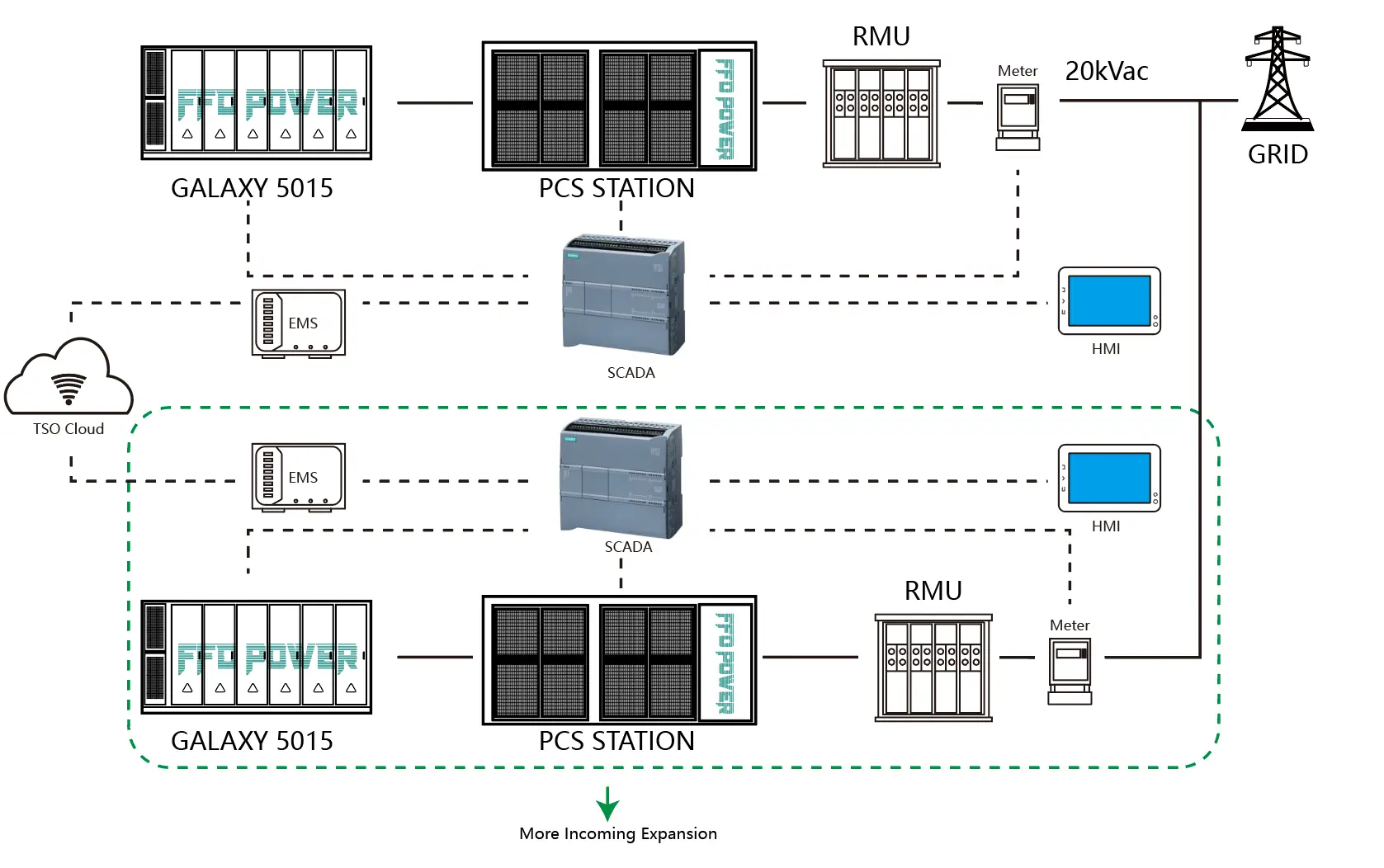
PowerSync EMS – unser fortschrittliches Energiemanagementsystem für Echtzeitsteuerung und -optimierung
SCADA-Konfiguration – kundenspezifisch ausgelegt zur Anbindung an das PCS von Kehua sowie an externe Netzleitsysteme
Kehua Power Conversion System (PCS) – netzerprobt mit hochdynamischer Reaktionsfähigkeit
FFD BESS – eine parallele Kommunikationsarchitektur über TCP/IP, die eine schnelle und präzise Kommunikation mit dem EMS des TSO ermöglicht
Diese Systemarchitektur gewährleistet Reaktionszeiten im Subsekundenbereich sowie eine hochpräzise Frequenzregelung und erfüllt damit selbst die strengsten technischen Anforderungen an FCR-Systeme.
Zusätzlich zu Hardware und Steuerungssystemen bieten wir:
Vorinstallierte Systemsoftware
Vollständige Engineering-Dokumentation
Detaillierte Projekt-Stückliste (BOM)
Layout-Planung sowie Anschluss- und Verdrahtungspläne
Vorkonfigurierte Einstellungen zur FCR-Konformität
Diese einsatzbereite Lösung ermöglicht es unseren Partnern, FCR einfach und zuverlässig umzusetzen, verkürzt die Projektumsetzungszeit und reduziert Inbetriebnahme- und Integrationsrisiken erheblich.
Das FCR-Paket von FFD Power ist darauf ausgelegt:
Alle relevanten Netzanschluss- und Grid-Codes zu erfüllen
Kritische Funktionen zur Netzstabilisierung zu unterstützen
Eine nahtlose Integration in komplexe Netzumgebungen sicherzustellen
Frequenzbereiche
47,5 Hz – 49,0 Hz:
Betrieb für mehr als 30 Minuten möglich.
In diesem Unterfrequenzbereich kann das System kontinuierlich Wirkleistung bereitstellen, um einen weiteren Frequenzabfall zu verhindern und dem Gesamtsystem Zeit zur Erholung zu geben.
49,0 Hz – 51,0 Hz:
Uneingeschränkter Dauerbetrieb.
Dies ist der normale Netzfrequenzbereich, in dem das System kontinuierlich Frequenzregelungsdienste zur Aufrechterhaltung der Netzstabilität erbringen kann.
51,0 Hz – 51,5 Hz:
Betrieb für mehr als 30 Minuten möglich.
In diesem Überfrequenzbereich nimmt das System überschüssige Wirkleistung auf, um eine weitere Frequenzanhebung zu verhindern und das Netz zu entlasten.
Widerstandsfähigkeit gegenüber der Frequenzänderungsgeschwindigkeit (RoCoF)
Das FFDPOWER BESS bleibt netzgekoppelt und betriebsfähig bei einer RoCoF von bis zu 1,7 Hz/s.
Diese Toleranz ermöglicht es dem System, auf plötzliche Erzeugungsausfälle oder abrupte Laständerungen zu reagieren, ohne sich vom Netz zu trennen, und erhöht so die Netzrobustheit bei starken Frequenzschwankungen.
Limited Frequency Sensitivity Mode – Überfrequenz (LFSM-O)
Wirkleistungsregelung:
Bei Frequenzabweichungen außerhalb des Unempfindlichkeitsbereichs (50,2–50,5 Hz) stellt das BESS eine aktive Wirkleistungsregelung bereit, sodass Regelmaßnahmen nur bei relevanten Abweichungen erfolgen.
Konfigurierbare Droop-Einstellungen:
Der Droop-Wert ist über das EMS von 0,1 % bis 12 % einstellbar und erlaubt eine flexible Anpassung an unterschiedliche Netzanforderungen.
Schnelle Reaktionszeit:
Der Wechselrichter reagiert innerhalb von < 500 ms und gewährleistet eine schnelle und zuverlässige Netzunterstützung bei Überfrequenzereignissen.
LFSM-O-Betriebslogik:
Das System reduziert die Einspeisung bei Überfrequenz und erhöht die Leistungsaufnahme bis zur vollständigen Ladung, wobei es flexibel zwischen Betriebsmodi wechselt.
Energiemanagement:
Das BESS nimmt Energie auf, bis die maximale Kapazität erreicht ist, um Überladung zu verhindern. Eine verlängerte Leistungsaufnahme kann gemäß TSO-Vorgaben erfolgen.
Übergangsmanagement:
Unterschiedliche Droop-Einstellungen und sanfte Übergänge gewährleisten eine stabile Leistungsbilanz beim Wechsel zwischen Aufnahme- und Abgabebetrieb.
Limited Frequency Sensitivity Mode – Unterfrequenz (LFSM-U)
Wirkleistungsregelung:
Das BESS reagiert auf Unterfrequenzereignisse außerhalb des konfigurierbaren Unempfindlichkeitsbereichs (49,8–49,5 Hz) mit präziser Leistungsregelung zur Netzstabilisierung.
Konfigurierbare Droop-Einstellungen:
Droop-Werte von 0,1 % bis 12 % stellen die Einhaltung der Netzanschlussbedingungen sicher.
Schnelle Reaktionszeit:
Das System reagiert innerhalb von 500 ms, verhindert Kaskadeneffekte und stabilisiert das Netz.
LFSM-U-Betriebslogik:
Das BESS erhöht die Wirkleistungsabgabe bei fallender Frequenz und kann während der Frequenzrückführung wieder in den Ladebetrieb übergehen.
Energiemanagement:
Die Entladung erfolgt bis zur vollständigen Entleerung, mit Optionen für verlängerte Unterstützung gemäß TSO-Vorgaben.
Modusübergänge und Kapazitätsgrenzen:
Sanfte Übergänge und die Einhaltung der Energiekapazitätsgrenzen gewährleisten einen sicheren Betrieb.
Automatische Trennung:
Kann das System vor der UFLS-Aktivierung bei 49 Hz nicht entladen, erfolgt eine automatische Netztrennung zur Vermeidung weiterer Instabilitäten.
Standardisierte Primärfrequenzregelung (FSM)
Aktive Leistungsreaktion:
Das BESS passt seine Leistung gemäß TSO-Vorgaben an, mit Null-Totband oder standardisierten Einstellungen, um eine sofortige Reaktion auf Frequenzänderungen sicherzustellen.
Regelparameter:
Mindestleistungsänderung 10 % der Nennleistung, Totband 0–200 mHz, Droop 0,1–12 % (konfigurierbar).
Leistungsregelung:
Leistungsreduzierung bei steigender Frequenz und Leistungserhöhung bei fallender Frequenz zur effizienten Netzstabilisierung.
Frequenzrampen & plötzliche Änderungen:
Das System passt sich schnellen Frequenzänderungen an und vermeidet Instabilitäten.
Reaktionszeiten:
Erste Reaktion < 500 ms, vollständige Anpassung innerhalb von 30 Sekunden.
aFRR-Fähigkeit:
Unterstützt kontinuierliche Wirkleistungsanpassungen für die automatische Frequenzwiederherstellungsreserve (aFRR) und stellt die Energiekapazität innerhalb von 2 Stunden wieder her.
Fernsteuerung & Wirkleistungsmanagement
Fern-Ein/Aus:
Das EMS ermöglicht das ferngesteuerte Starten oder Stoppen des BESS. Die Wirkleistung wird innerhalb von 5 Sekunden nach Befehl beendet.
Wirkleistungsanpassung:
Leistungsänderungen erfolgen innerhalb von 10 Sekunden nach Kommandoempfang.
Regelbetrieb:
Sowohl Fern- als auch manuelle Regelung werden unterstützt. Die Teilnahme an FCR erfüllt die TSO-Anforderungen hinsichtlich Aktivierungszeiten, Mindestbereitstellungsdauer von 60 Minuten und präziser Sollwertführung.
Messung & Datenübertragung:
Zentrale Messwerte werden mit einer Auflösung von ≤ 1 Sekunde erfasst und in Echtzeit übertragen.
Automatische Netzzu- und -wiedereinschaltung
Automatische Wiedereinschaltung:
Das BESS verbindet sich wieder mit dem Netz, wenn die Frequenz 49,9–50,1 Hz und die Spannung 0,9–1,1 pu beträgt. Eine Mindestwartezeit von 60 Sekunden stellt eine stabile Synchronisierung sicher.
Rampenbegrenzung:
Die Wirkleistungssteigerung ist auf ≤ 20 % von Pmax pro Minute begrenzt. Alternative Wiedereinschaltbedingungen sind nach Vereinbarung mit TSO/DSO konfigurierbar.
Künstliche Trägheit (Artificial Inertia)
Virtuelle Trägheitsfunktion:
Das BESS emuliert die Trägheit synchroner Generatoren mittels Wechselrichtertechnik und stabilisiert Netze mit hohem Anteil erneuerbarer Energien.
Regelungssystem:
TSO-spezifisch konfigurierbar für eine schnelle und effektive Bereitstellung virtueller Trägheit.
Parallelbetrieb:
Unterstützt die Netzstabilität bei schnellen Frequenzänderungen mit vordefinierten Trägheitsstufen.
Kurzschlussfestigkeit
Fehlerüberbrückung (FRT):
LVRT- und HVRT-Fähigkeiten ermöglichen den Verbleib am Netz bei Spannungseinbrüchen oder Überspannungen.
Kurzschlussstrombeitrag:
Das EMS begrenzt den Fehlerstrom auf sichere Werte und schützt sowohl Netz als auch System.
Schneller Schutz & Wiederanlauf:
Schnelle Fehlererkennung und Schutzmechanismen ermöglichen eine rasche Rückkehr in den Normalbetrieb nach Fehlerbeseitigung.
Parameterkonformität:
Tiefe und Dauer von Spannungseinbrüchen sowie Stromgrenzen entsprechen den lokalen Grid Codes und TSO-Anforderungen.
Empfohlene Produkte
Fallpräsentation
Finland 27.5MW/55MWh Netzseitiges Spitzenlastmanagement und Frequenzregelungsprojekt
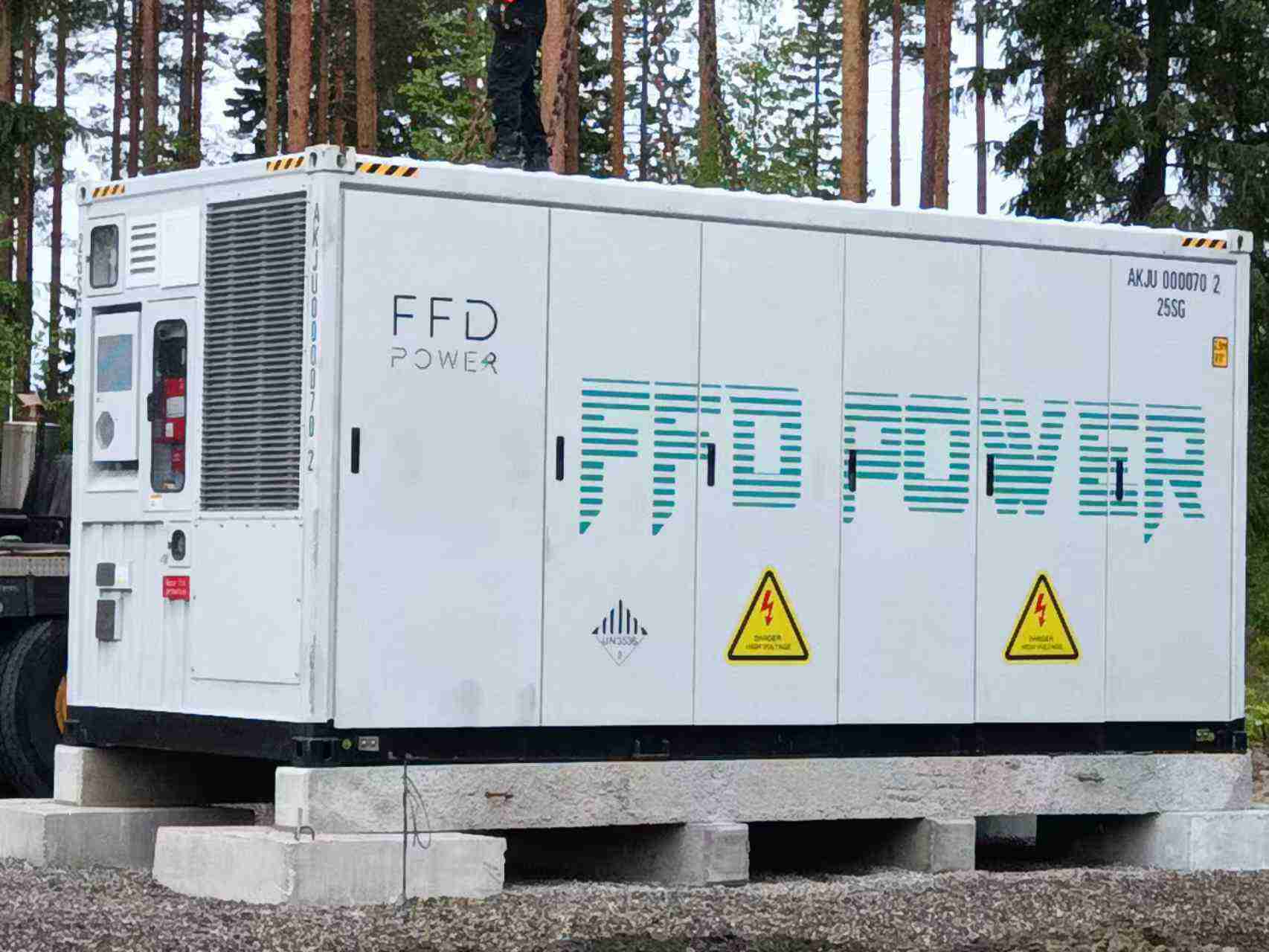

Located in Finland, this project involves the deployment of a 2.5MW/5MWh grid-side energy storage system, designed to provide peak shaving and Frequency Containment Reserve (FCR) services. The system operates in an extreme cold climate, with winter temperatures dropping as low as -35°C, posing significant technical and operational challenges.
The project adopts a modular deployment strategy. With Phase I successfully completed and commissioned, Phase II is currently under construction, adding 10 additional units of the same specification. Once completed, the full system will reach a total capacity of 27.5MW/55MWh, forming a large-scale grid-side energy storage power station that enhances grid flexibility and resilience.
Core Application: Frequency Containment Reserve (FCR)
Unlike traditional energy-shifting applications, FCR demands precise real-time response capabilities and sophisticated control algorithms. This project integrates a high-performance control system optimized for FCR participation in the Nordic balancing market:
Millisecond-level dynamic response to stabilize frequency deviations
Multi-layer embedded dispatch algorithms ensuring accuracy and reliability
Hybrid architecture combining edge computing and centralized control for intelligent adaptation
Engineering for Extreme Cold
The system is specifically engineered for continuous operation in sub-zero Arctic conditions, with the following adaptations:
Battery thermal management systems with integrated heating and insulation to maintain cell performance and safety
Industrial-grade power electronics selected to operate reliably below -35°C
System-wide low-temperature validation ensures year-round operational stability
Project Significance
As a flagship project in Northern Europe combining FCR and peak shaving, this installation demonstrates the technical feasibility and commercial value of energy storage in cold climate regions. It also serves as a replicable reference for future grid-side storage projects participating in ancillary service markets across Europe.